
The short answer
Festival travel means building a trip around one fixed event. The date decides everything else: when you leave, where you sleep, how you get there, and what the whole thing costs. This guide walks through the order that works: tickets first, lodging second, transport third. It also covers what each budget tier buys, the four main types of festival trip, and the plain meaning of the words you will meet on booking pages, from general admission to cashless wristbands.
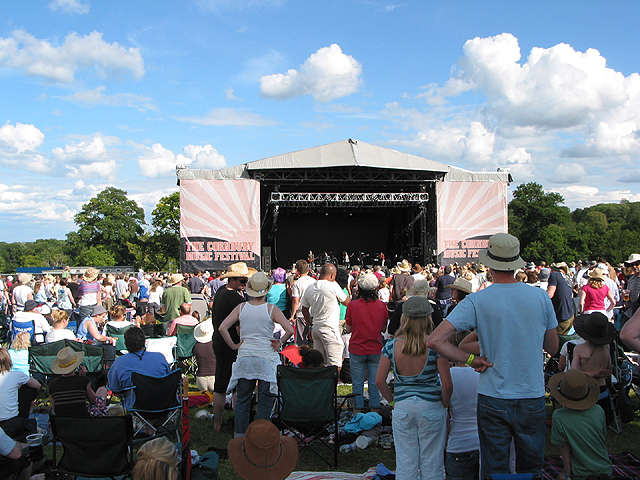
What Does Festival Travel Actually Involve?
Festival travel is any trip organised around a single event rather than a destination you roam freely. The event sets the plan, and everything else follows from it.
That one constraint changes the rest of the trip. Festivals run on fixed dates, so everyone who wants to attend moves at the same time. Rooms, campsites, flights and coaches near the event get scarce fast, and prices climb with the demand.
A normal holiday can slide by a week. A festival trip cannot.
Trips come in a few shapes. A day visit works when the festival is in your own city. A weekend is the classic: one travel day in, two or three days on site, one travel day home.
The biggest events justify a full week, especially when you are flying in.
Some travellers book through operators that build entire itineraries around single events, such as Responsible Vacation. Their planning starts with a single question: when does it fall? Season first, destination second.
That order is worth copying even if you book everything yourself.
Book in This Order: Tickets, Lodging, Transport
Work in this order: tickets first, lodging second, transport third. The sequence matters because each step changes the one after it, and only the first is genuinely irreplaceable. No ticket, no trip.
Tickets First
Festival tickets sell out, sometimes within minutes, sometimes many months ahead. Big events sell in waves: presale, general sale, final release, then official resale. Register for the presale early and have your payment details saved before the button goes live.
Some events skip years entirely, which resets everyone’s plans. Glastonbury took a fallow year in 2026 and put tickets for its 2027 edition on sale in October 2026 at £408 per person, the booking fee included, per the festival’s own ticket page. If your target festival sits between editions, you are planning around a moving date.
Buy through the official seller or the festival’s official resale partner, nothing else. Social media sellers and screenshot “tickets” are the standard scam.
Lodging Second
Once the ticket is in hand, book somewhere to sleep. Accommodation is the most scarce resource around any major festival. Host town rooms, campsites and glamping pitches sell out in the days after tickets go on sale, and what remains gets expensive nearer the gates.
Three options cover most trips. On-site camping is usually the cheapest and the most convenient, because your bed is inside the festival. Off-site lodging in the nearest town trades money and a daily shuttle ride for a real bed.
Glamping sits between the two: pre-pitched, pricier, and the first to sell out.
Where a hotel or rental offers free cancellation, book it while your plans firm up and re-check the rate later. The refund window is the feature you are buying.
Transport Third
Transport goes last because it has the most alternatives: fly, drive, coach, train. It is rarely the thing that disappears first, but it is the thing that punishes late booking around school holidays and long weekends.
For international festivals, book flights once the ticket is secure and set fare alerts in the months that follow. For events in regional areas, check whether the festival runs official coaches or shuttles from the nearest city. Many do, and they drop you at the gates without a parking pass.
If you are driving, remember that parking passes are often limited and sold separately, so treat them as part of the ticket cost.
Seasoned festival travellers add one more rule: decide your exit before you arrive. How you get home on the final night is a decision for the kitchen table, not for 1am outside the gates.
What Does Each Budget Tier Buy?
Most festival trips land in one of three tiers, and the tier is decided less by the lineup than by where you sleep and how you get there.
| Tier | The ticket | Where you sleep | Getting there | Indicative cost band |
|---|---|---|---|---|
| Budget | General admission bought at release; camping included or added | Your own tent on site, or a hostel dorm in town | Coach, train or a shared drive | Under A$500 |
| Mid | General admission plus early entry or one paid upgrade | Glamping tent, private hostel room, or a motel near a shuttle stop | Flights or rail booked around gate times | A$500 to A$1,500 |
| Premium | VIP or hospitality pass with the extras you will actually use | Hotel, or off-site glamping with transfers | Flexible flights, private transfers, parking pass | A$1,500 and up |
Treat those bands as indicative planning figures for one weekend in Australian dollars, not as quotes. Check current ticket and accommodation prices before you commit, because the same festival can cost double depending on when you buy and how far you travel.
Two money habits keep a festival trip from blowing out. Split the budget in two: a festival budget for the ticket and on-site spending, and a travel budget for getting there and sleeping. And use a layaway plan whenever the festival offers one, so the cost spreads across months instead of landing in a single pay cycle.
Regular festival travellers say the same, and a certified raver’s festival travel guide covers both moves.
The Four Main Types of Festival Trip
Almost every festival trip fits one of four categories: music, film, food and drink, or cultural and religious. The category decides how the trip works, from gate times to how far ahead you book. Start with the type, then narrow the city with the destination guides, which map how different places move around their event calendars.
Music Festivals
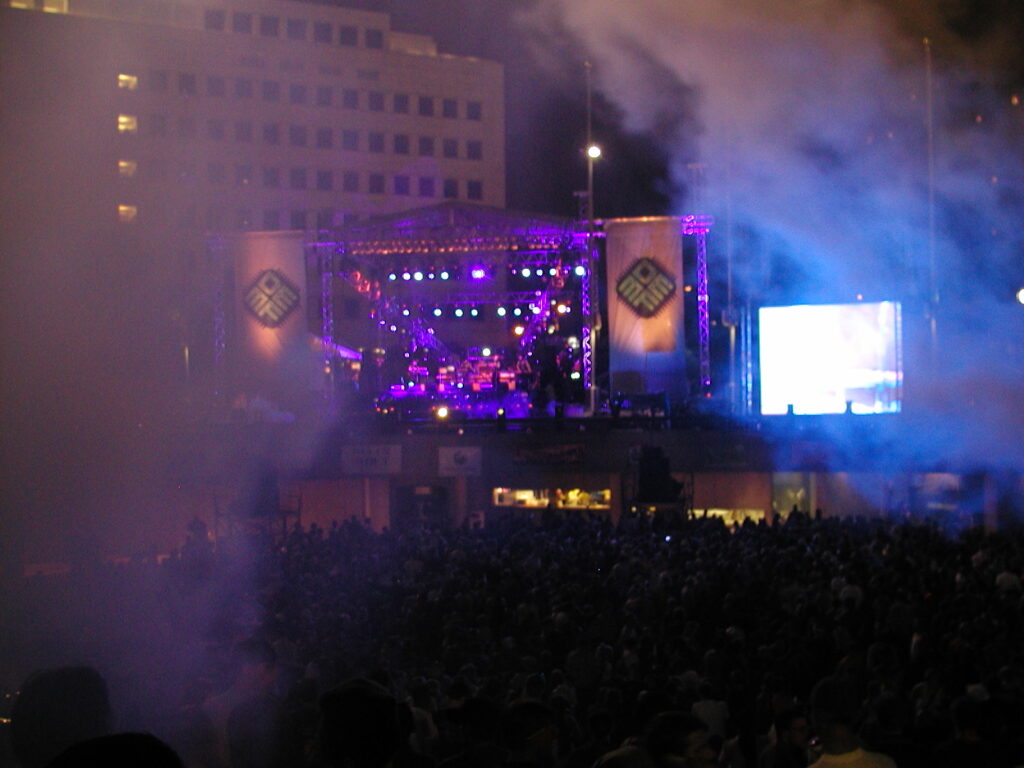
Music festivals are the most travel-intensive category. The classic format is a multi-day event on a dedicated site, often with camping, gates that open early and stages that run late. Ticket tiers matter most here, because the jump from general admission to VIP buys real differences in access and comfort.
City-based day festivals are the low-commitment version: one day, no camping, public transport home.
Film Festivals
Film festivals are city events, which changes the shape of the trip. You do not sleep on site. You pick a base near the main venues and plan around a schedule of screenings.
Tickets come as full passes or per-screening, and marquee screenings sell out when the schedule drops. Major Australian film festivals, including the Melbourne International Film Festival and the Sydney Film Festival, follow this model. The travel skill here is ordinary city travel done well.
Food and Drink Festivals
Food and drink festivals run from single-day street events to multi-day programs of tastings, dinners and markets. The trip is usually about the town as much as the event, which flips the booking order: restaurant reservations and long lunches fill before accommodation does. If the festival is built around a harvest or a season, check this year’s month before you assume last year’s still applies.

Cultural and Religious Festivals
Cultural and religious festivals demand the most careful date checking. Many follow lunar calendars, so their Gregorian dates shift every year. Lunar New Year, the Eid festivals and Diwali all move, which means last year’s date is useless for planning this year’s trip.
Take the current date from the festival’s official source every time.
They are also the most rewarding festivals to travel for. One tour operator counts around 3,000 festivals a year in Peru alone, from Inti Raymi in Cusco to the Virgin of Candelaria in Puno (Adventure Life). That kind of density exists in most countries once you start reading local calendars.
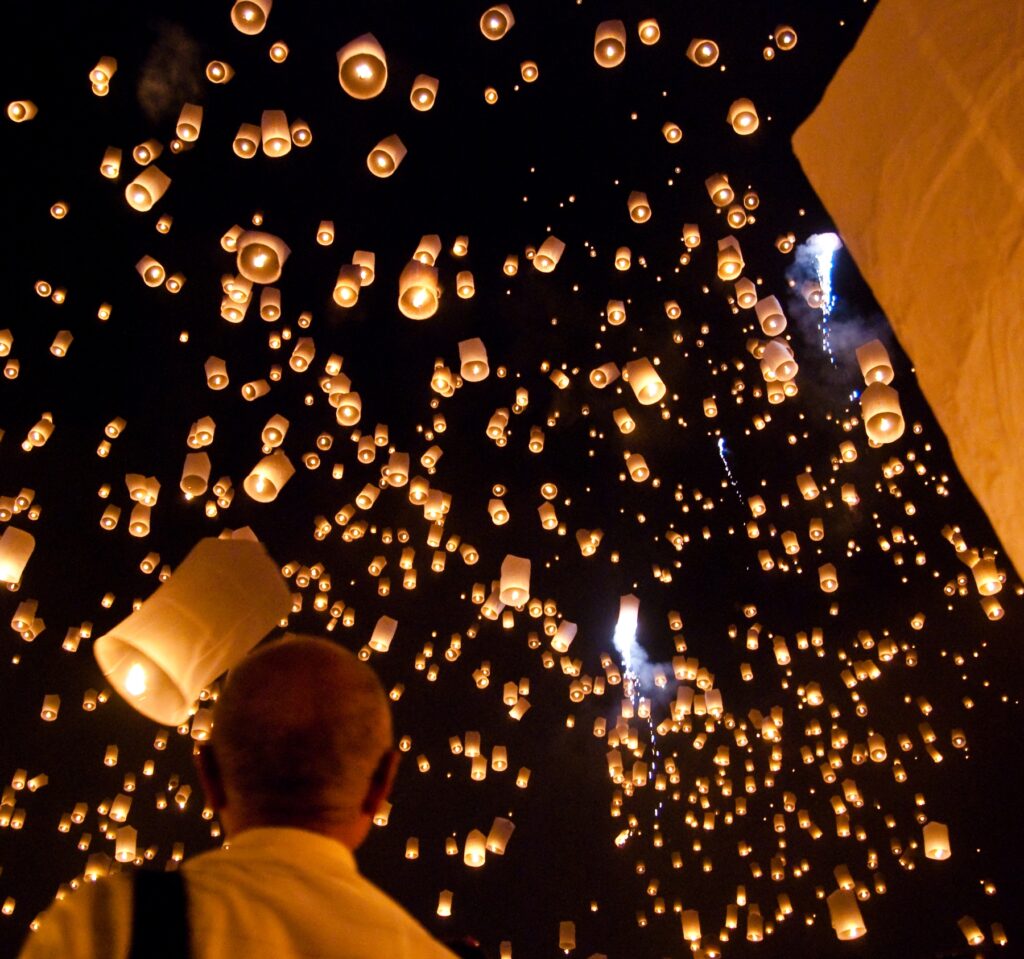
Some events are free and open to the public; others are ticketed or ask guests to dress modestly and keep quiet in sacred spaces. Check the visitor rules before you go, especially for religious ceremonies. If your next trip is closer to home, the best festivals in Australia in 2026 hub is the local version of this list, sorted by state and month.
Festival Vocabulary in Plain Language
Five terms do most of the confusing work on festival booking pages, and each one is simple once you see it defined.
General admission (GA). The standard ticket. It gets you into the festival and into the standing or unreserved areas. There is no reserved spot and no extras; it is the baseline everything else is sold against.
VIP or premium. An upgrade, and every festival defines it differently. It might mean separate entry, a raised viewing platform, quieter toilets, or food and drink included. The label alone tells you nothing, so read the list of inclusions before you pay.
The upgrade is worth it when you will use the extras, not when the name sounds good.
Camping versus glamping. Camping means you bring the tent and sleep in a pitch, which is either included in the ticket or sold as a cheap add-on. Glamping means the tent, cabin or caravan is already set up, with bedding, when you arrive. Glamping costs more and sells out earlier.
Camping costs less and asks more of you.
Re-entry. Whether you can leave the site and come back on the same ticket. Some festivals allow it all weekend; others stop allowing it after your first scan. Re-entry rules decide whether a midday trip into town is possible or off the table, so check the festival’s rules page before you count on one.
Cashless wristbands. A wristband with an RFID chip, linked to your ticket, that you top up online or at the gate and tap to pay for everything on site. Two habits: register the wristband to your name, which speeds up lost property returns and helps staff reach someone in an emergency, and check how unspent balances are refunded, because the policies differ between festivals.
The vocabulary runs deeper than five terms. The site keeps a full travel glossary of festival and travel words from A to Z, and it is worth keeping open in a second tab while you book.
What to Sort Before You Leave
The final week before a festival is for confirming, not deciding. Run this list once and the first day on site goes smoothly.
- Download or print your ticket, and register any wristband before you travel.
- Screenshot the gate times, the site map and your accommodation address. Phone batteries die at festivals; screenshots do not need signal.
- Pack for the forecast, not for the photos: a rain shell, layers, and broken-in shoes. Check against the full festival packing list if you want to be sure.
- Carry ID that matches the name on your ticket. Many festivals check at the gate.
- Agree on a meeting point with your group. Mobile networks congest quickly on site, and a fixed spot beats a group chat.
- Save the lost and found and emergency numbers from the festival’s own site.
Festival Travel: Frequently Asked Questions
These are the six questions that decide most festival trips, answered briefly.
How far ahead should I book a festival trip?
Start with the ticket, at release time if the event sells out. Book a place to sleep within days of securing it, especially in small host towns, and set fare alerts for flights while months remain. The longer the trip, the earlier each step needs to happen.
Is camping or a hotel cheaper for a festival?
On-site camping is almost always the cheaper choice: you pay for a pitch rather than a room per night, and you skip the daily ride to the gates. A hotel costs more but buys comfort and a hot shower. Glamping splits the difference at its own price.
What is the difference between general admission and VIP at a festival?
General admission covers entry and the standard viewing areas. VIP adds specific extras, such as separate entry, elevated viewing or hospitality, and those extras differ from festival to festival. Judge an upgrade by its inclusions list, not its label.
Can you leave a festival and come back the same day?
Only if the festival allows re-entry. Some wristbands scan out and back in freely; others stop allowing re-entry after the first scan. The rules sit on the festival’s own site, and they decide whether a trip into town is possible at all.
How do I avoid fake festival tickets?
Buy only through the festival’s official ticket seller or its official resale partner. Skip social media sellers, screenshots and any offer priced far below face value. If the seller avoids the official transfer system, walk away.
What happens if a festival is cancelled?
It depends on the festival’s own terms. Refund policies range from full refunds to credits for a future edition, and travel costs are usually not covered. Read the policy at the point of purchase, and treat travel insurance as part of the plan for any expensive trip built around one event.
Your Next Step: Price the Trip Before You Commit
The next move is simple: price the whole trip before you book anything. The number decides which tier you can plan for, and it changes what a sellout really costs you.
Whichever festival you pick, the spine stays the same: secure the ticket, lock a place to sleep, then sort transport. When you are ready to put figures on it, the festival budget breakdown covers tickets, accommodation, transport and the on-site spending most planners forget, with tools to build your own estimate. Start there, then keep this guide as your checklist.
Image credits
- Crowds at the Cornbury Music Festival. Pauline Eccles. CC BY-SA 2.0. Via Wikimedia Commons. https://commons.wikimedia.org/wiki/File:Crowds_at_the_Cornbury_Music_Festival_-_geograph.org.uk_-_489442.jpg
- Detroit Electronic Music Festival 2002 main stage and crowd after dark. Myself248. CC BY-SA 4.0. Via Wikimedia Commons. https://commons.wikimedia.org/wiki/File:Detroit_Electronic_Music_Festival_2002_main_stage_and_crowd_after_dark.jpg
- Christmas market and ice rink at the market square of Dülmen, Germany. Dietmar Rabich. CC BY-SA 4.0. Via Wikimedia Commons. https://commons.wikimedia.org/wiki/File:D%C3%BClmen,_Marktplatz,_Weihnachtsmarkt_–_2013_–_5355.jpg
- Yi Peng sky lantern festival, San Sai, Thailand. Takeaway. CC BY-SA 3.0. Via Wikimedia Commons. https://commons.wikimedia.org/wiki/File:Yi_peng_sky_lantern_festival_San_Sai_Thailand.jpg
Works Cited
De Guzman, Angelo. “A Complete Guide to Travelling for a Music Festival, From a Certified Raver.” nom:me, 24 Feb. 2026, nommemag.com/a-complete-guide-to-travelling-for-a-music-festival-from-a-certified-raver/.
“Festival Visits & Tours.” Adventure Life, www.adventure-life.com/activity/festival-visits. Accessed 14 Sept. 2026.
“Festivals Travel Guide.” Responsible Vacation, www.responsiblevacation.com/vacations/festivals/travel-guide. Accessed 14 Sept. 2026.
“Glastonbury 2027 Ticket Information Confirmed.” Glastonbury Festival, www.glastonburyfestivals.co.uk/news/glastonbury-2027-ticket-information-confirmed/. Accessed 14 Sept. 2026.