The short answer
A four-day city festival asks more of you than a weekend in a field. There are no campsites and no shuttle buses to the gates. You sleep in a hotel, ride public transport, and walk the last stretch on your own feet. This guide covers the shape of the event, how to move between the gates and your bed, where to stay, what late-summer weather does to a long day outside, and the costs that decide the whole trip. Read it before you buy anything.
What Lollapalooza Chicago is, and when it runs
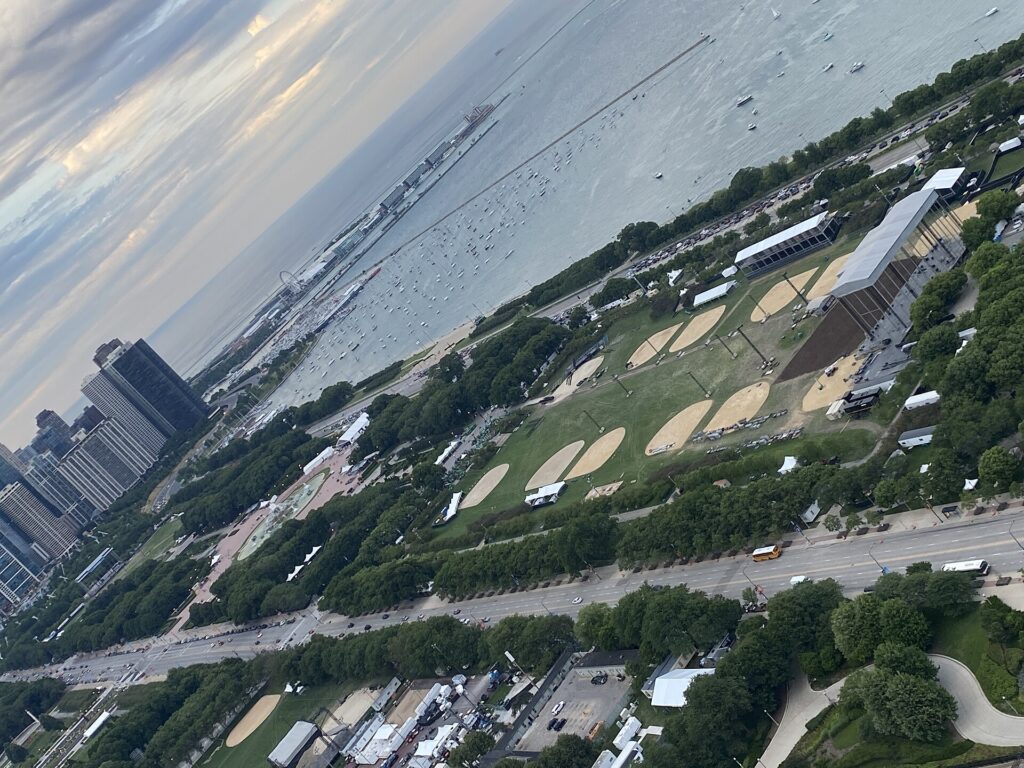
Lollapalooza Chicago is a four-day music festival held in Grant Park, in downtown Chicago, and the 2026 edition runs from July 30 to August 2. The official site lists those dates and the Grant Park location at the top of the page, so treat them as firm.
The festival has been a Grant Park fixture since 2005, after starting life as a touring event in the early 1990s. Wikipedia’s entry on Lollapalooza records the Chicago residency as continuous from 2005, with a digital-only edition in 2020 and a return to the park in 2021. That history matters for planning: this is not a young festival finding its feet.
The systems, the crowd flow and the neighbourhood around it all work the same way year to year.
The lineup is deliberately wide. Alternative rock, pop, hip hop, electronic and soul acts share the bill, spread across several stages with the largest headliners closing each night. You do not need to like one genre to enjoy the weekend.
You do need to accept that four days of it will wear you out if you treat every day like the first.
Grant Park sits between Michigan Avenue and Lake Michigan, a few blocks from the Loop. The festival happens inside a working city, not on a rural site. That single fact drives every practical decision below: where you sleep, how you get to the gates, and how much of the day you spend walking.
The four-day structure, and how to choose tickets
The festival runs four consecutive days, from Thursday July 30 to Sunday August 2 in 2026, with music from the afternoon into the late evening. One ticket covers all four days, and single-day tickets cover the day you choose.
Most visitors build the trip around the four-day ticket because it works out cheaper per day, but that logic only holds if you actually attend all four. A realistic plan for many visitors is three days plus one rest day, or a single-day ticket if the trip is part of a longer holiday. Decide before tickets go on sale rather than after.
Ticket releases are tiered. Prices start lowest in the first release and climb with each subsequent tier as the festival gets closer, which is standard practice for large events. That means the cost of the same experience depends entirely on when you buy.
The practical move is to buy in the earliest tier you can afford, from official channels only, and to be sceptical of anyone promising cut-price passes months later. If you want the full playbook on release timing and resale risk, read Festival Ticket Buying Strategies for Sellouts.
Once you have a ticket, pace the week. Arriving at gates opening on day one and staying to the last note on day four is how people burn out by Saturday. Pick the sets that matter to you, arrive mid-afternoon, and leave before the final encore at least once.
Getting in and out of Grant Park
You will not drive to Lollapalooza. Grant Park sits in the middle of downtown Chicago, streets around the site close for the festival, and there is no festival car park to aim for.
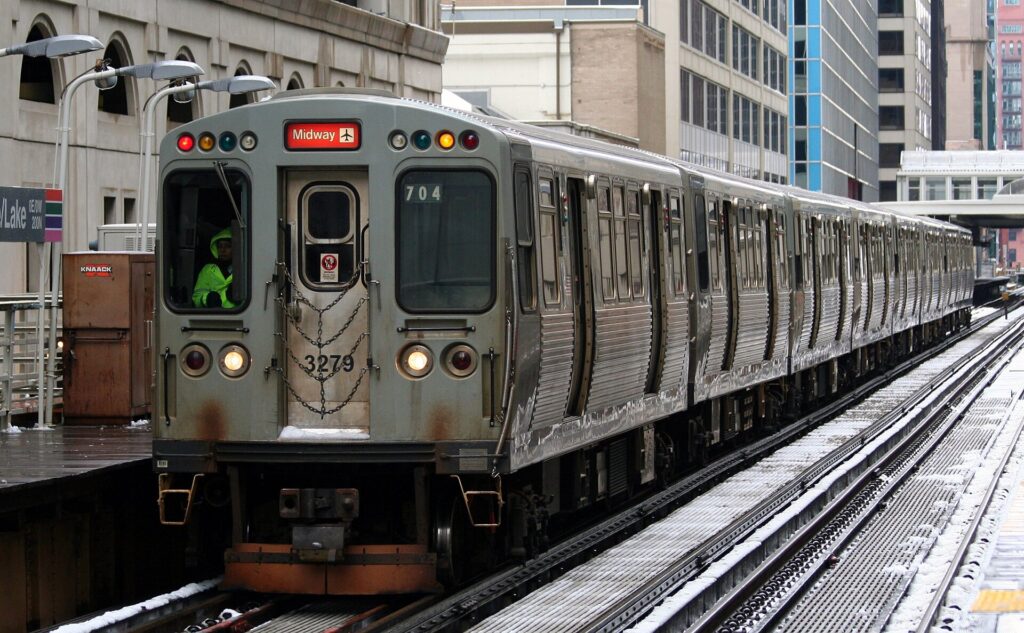
Public transport does the heavy lifting. Chicago’s elevated train network, known locally as the ‘L’, runs through the Loop with several stations within a short walk of the park, and buses cover the cross-town routes. Metra commuter trains bring people in from the suburbs to downtown terminals, which is a genuine option if you are staying outside the city.
For a comparison of the main options, including the trade-offs between transit, rideshare and walking, see Festival Transportation Options Compared.
Walking is the fastest way in if you stay downtown. The approach is flat, well lit and busy with other festival-goers, and it removes the two worst bottlenecks of festival travel: the queue for a train and the wait for a car. If your hotel is within a twenty-minute walk of the gates, use it.
Rideshare works, with one condition. Drivers cannot stop at the gates, so pick-up and drop-off happens on the edges of the closure zone, which adds a block or two of walking. After the headliner ends, surge pricing and traffic make the whole exercise slower than the train.
If you use a car, leave the last set ten minutes early or wait out the crowd.
Budget extra time for the exit. Tens of thousands of people leave through a handful of streets at once, and the walk back will always take longer than the walk in. Wear shoes you can stand in, keep a charged phone, and agree on a meeting point with your group before you lose signal in the crowd.
Where to stay for Lollapalooza Chicago
Stay in the Loop, South Loop, River North or Streeterville if you want to walk to the gates, and stay near an ‘L’ line further out if you want a smaller bill.
There is no festival campsite. Grant Park is a public city park and closes at night, so every visitor needs a bed in or near the city. That pushes tens of thousands of people into the same hotel market for the same four nights, and the effect on rates is immediate.
Rates climb once the dates are announced and keep climbing through spring.
Book early, and book refundable. A free-cancellation rate in the first week of the on-sale window is usually cheaper than a non-refundable rate a month later, and it keeps you flexible if the lineup announcement changes your mind. The internal link below covers the full trade-offs between hotels, hostels and rental apartments: Festival Accommodations Compared.
If downtown prices push past your budget, look two or three ‘L’ stops out along a train line rather than two suburbs away. The saving is real, and the difference in travel time is small. Hostels near the Loop are workable for solo travellers, and short-term rentals suit groups, though central Chicago rules restrict some rental types, so confirm the listing is licensed before paying.
What late-summer weather does to a festival day
Late July and early August in Chicago are hot, humid and storm-prone, and a festival day can swing from a muggy afternoon to a cool, breezy evening by the lake.
The festival sits on the lakefront, which cuts both ways. A breeze off Lake Michigan makes the hottest hours bearable, and shade is limited across the site, so the sun is doing more damage than the temperature suggests. Sunscreen, a hat and a refillable water bottle are not optional extras.
Neither is a light layer for after dark, when the wind picks up and the temperature drops while you are standing still watching a set.
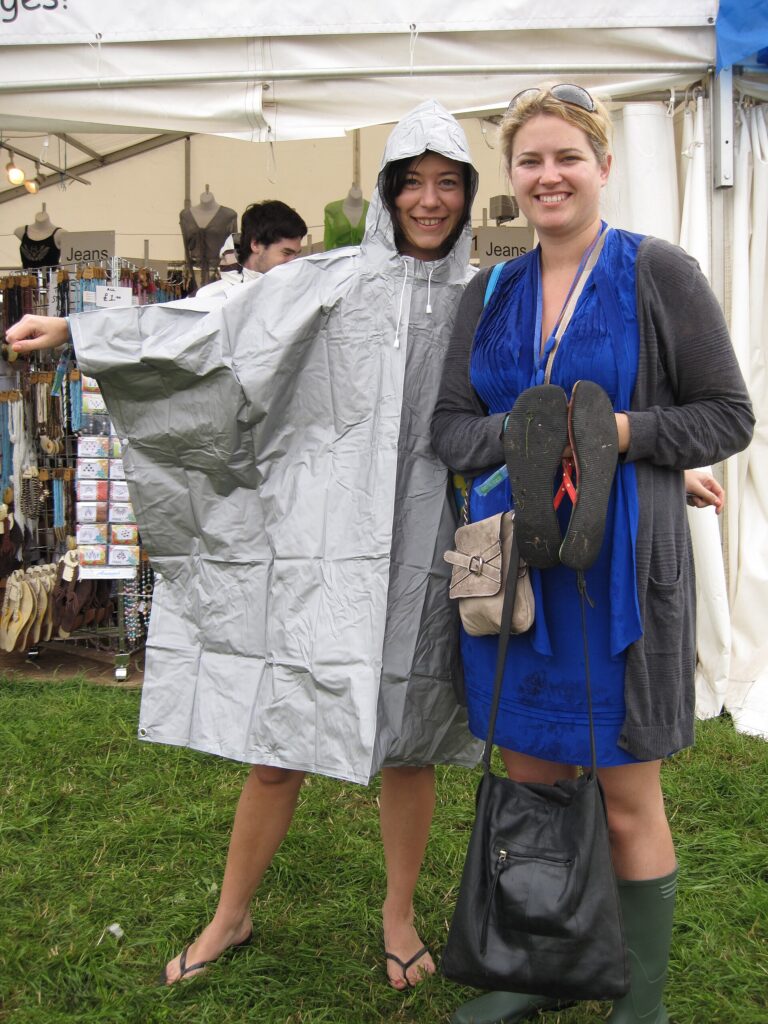
Afternoon thunderstorms are the other regular feature of a Chicago summer. Assume the festival runs in the rain and pack for it: a poncho rather than an umbrella, a dry bag or zip pouch for your phone, and footwear that survives a soaking.
Check the festival’s own rules on what you can carry through the gates before you pack, because bag policies are strict and enforced.
Heat is the bigger risk than rain. Long days on hard ground with limited shade cause more problems than any downpour. Drink water on a schedule rather than when you feel thirsty, eat properly, and know where the medical tents are.
The site map at the gate is worth two minutes of your time on day one. For a fuller packing and preparation checklist, see Weather Preparation for Outdoor Festivals.
What a Lollapalooza trip costs
The festival ticket is rarely the biggest line in the budget. Four nights of downtown accommodation usually is, and flights from Australia at the end of July are not cheap either.
| Cost line | What drives it | How to cut it |
|---|---|---|
| Festival ticket | Tiered releases; four-day against single-day pricing | Buy in the earliest release; stick to general admission |
| Accommodation | Four festival nights downtown, demand spikes | Book at announcement with free cancellation; move two ‘L’ stops out |
| Food and drink | In-park prices across long days | Eat a solid breakfast before you go in; carry a refillable bottle |
| Transport | Transit is cheap; rideshares surge after headliners | Buy a transit card and use trains; walk the last blocks |
| Flights | Late July is peak US summer travel | Compare both Chicago airports and nearby dates |
The shape of the budget is predictable even though the numbers are not. Accommodation and flights are set months in advance and only get worse. In-park spending is the flexible part: you control it day by day, and a festival site sells food at captive-audience prices by design.
Australians should also plan the boring bits before the fun ones. Check that your travel insurance covers a trip built around a ticketed event, including what happens if a festival day is cancelled for weather. Decide how you are paying for things in the US and know what your card charges on foreign transactions.
And price the whole trip in US dollars, then convert, rather than pricing it in Australian dollars and hoping.
Beyond the main stages
The official program stretches past the park. Aftershows put festival acts into clubs and venues across the city once the main stages close, and Kidzapalooza runs a family-focused area inside the site during the day, both of which are listed on the festival’s own program.
Choose Chicago’s festival guide tracks the aftershows alongside the main schedule, and it is worth checking before you lock your nights in.
Aftershows are separately ticketed, they sell out fast, and they are usually announced closer to the festival. If you want to see a specific act in a small room rather than a field, that is your route.
Just be honest about your energy: a headliner set that ends at eleven, then a club show that starts at midnight, is a punishing schedule four days in a row.
Inside the park, expect the usual festival economics. Food, drink and merchandise are sold on site at event prices, brand areas fill the gaps between sets, and the walk between the furthest stages is longer than the map makes it look. Build in time to move, especially for the set you care about most.
The bottom line
Plan the trip in this order: lock accommodation the week the dates are announced, buy tickets in the first release you can afford, then build each day around transport rather than the other way round. Book refundable where you can, expect one wet afternoon, and leave yourself one shorter day.
Ready to put real numbers on the whole trip? Start with Travel Budget Planning: Tips & Tools and build the budget before you book anything.
Frequently asked questions
Where is Lollapalooza held?
It is held in Grant Park, in downtown Chicago, between Michigan Avenue and the lakefront. The site is a short walk from the Loop and from several downtown train stations, which is why staying in the city centre works better than staying near an airport.
How much are Lollapalooza tickets?
There is no fixed price worth quoting, because tickets are released in tiers and each tier costs more than the last, with single-day and four-day options priced separately. Check the official site for current pricing rather than trusting an old blog post.
Do you need a hotel, or can you camp?
You need a bed in the city. There is no campsite at this festival, and Grant Park is a public park that closes at night, so plan for a hotel, hostel or licensed rental rather than a tent.
What should I pack for the weather?
Pack for both a hot afternoon and a cool evening: a refillable bottle, sunscreen and a hat, plus a light layer and a poncho. Local summer storms arrive quickly, and the lakeside wind drops temperatures after dark.
How far ahead should I book accommodation?
Book as soon as the dates are announced, which is usually months before the lineup drops. Downtown rates climb through spring, and the cheapest rooms with free cancellation are the first to go.
Image credits
- Photo: TonyTheTiger / Wikimedia Commons, CC BY-SA 4.0. Source
- Photo: Tichnor Brothers, Publisher / Wikimedia Commons, Public domain. Source
- Photo: Laurence’s Pictures from USA / Wikimedia Commons, CC BY 2.0. Source
- Photo: Russell James Smith / Wikimedia Commons, CC BY 2.0. Source
Works Cited
“Lollapalooza.” Wikipedia, Wikimedia Foundation, 2026, https://en.wikipedia.org/wiki/Lollapalooza.
Lollapalooza. “Lollapalooza 2026.” lollapalooza.com, Live Nation Entertainment, 2026, https://www.lollapalooza.com/.
“Lollapalooza Chicago guide: lineup, schedule, tickets, and more.” Choose Chicago, Choose Chicago, 2026, https://www.choosechicago.com/articles/festivals-special-events/lollapalooza/.