
The short answer
Choosing where you sleep shapes how safe and easy your trip feels. Pick the right area and the city is walkable, friendly and full of life. Pick the wrong one and every evening turns into a logistics exercise. This guide compares the neighbourhoods visitors actually weigh up, explains what each is like after dark, covers the airport run, and sets out the transport and safety habits that matter. No scare stories, no gloss.
Which Mexico City neighbourhood fits your trip?
For most visitors the choice comes down to five areas, and the honest answer is that Roma Norte suits the widest range of trips. It pairs dense street life with a short walk to dinner.
Condesa is quieter and greener, Polanco is the most polished and the most expensive, Coyoacán trades nightlife for a village feel, and Centro Histórico puts the sights on your doorstep at the cost of crowds.
Mexico City is CDMX on signs and apps, and it runs on colonias, the neighbourhoods that give each area its own personality. All five below work on foot in daylight; the real differences show up after dark and in how easily you get home.
Roma and Condesa sit side by side just west of the centre, Polanco is further west again, and Coyoacán sits south, so match the area to your evenings.
| Neighbourhood | Best for | Walking by day | After dark | Transport |
|---|---|---|---|---|
| Roma Norte and Sur | Food, bars, first trips | Excellent, flat and leafy | Busy on Córdoba and Álvaro Obregón, quiet on side streets | Metro Line 1, Metrobús on Insurgentes, fast app pickups |
| Condesa | Parks, cafés, couples | Excellent, shaded and slow | Lively on Avenida Michoacán, calm behind the parks | Metro Line 9 at the edge, bike share, apps |
| Polanco | Families, luxury, museums | Very good, wide and well lit | Comfortable late, hotel security everywhere | Metro Line 7, apps, museums walkable |
| Coyoacán | Village feel, museums | Very good around the two main squares | Quiet after dinner, plan a ride home | Metro Line 3 plus a short taxi |
| Centro Histórico | Sightseeing, rooftops | Good, crowded on Madero | Stick to lit main streets, use apps late | Metro Line 2, walkable core |
For a shortlist ranked by budget and security, see Explore Safe Stays in Mexico City.
Roma Norte and Roma Sur: the easiest base for a first visit
Roma Norte is the safest-feeling central base for most first trips, because its main streets stay busy well into the night and the best restaurants are within walking distance. The colonia is flat, shaded and full of Art Nouveau buildings, small plazas and bakery queues. Plaza Río de Janeiro and Plaza Luis Cabrera are the two easiest squares to orient yourself around.
Book dinner ahead at the well-known tables, including Contramar for seafood lunches and Rosetta and Máximo Bistrot for evening meals, then treat Calle Córdoba and Avenida Álvaro Obregón as your night-time spine. Both stay busy, well lit and easy to walk until late. Roma Sur is the calmer, cheaper half, still walkable to everything north of it and often better value on longer stays.
Walking at night here is fine on the main avenues. On the narrow residential blocks you will pass few people, which is true of every big city rather than a warning sign. Keep your phone in your pocket, walk with purpose, and take a ride app if you are heading home after 1am.
Metro Line 1 stations Insurgentes and Sevilla sit within a short walk of most of Roma Norte, and Metrobús buses run the length of Insurgentes.
Condesa: parks, cafés and a slower pace
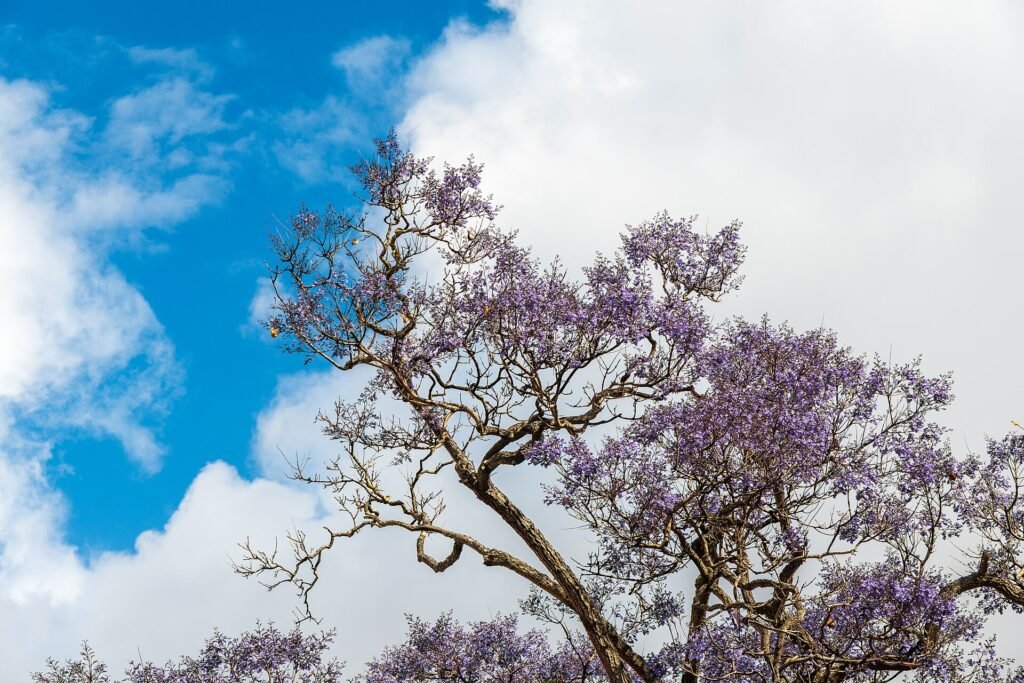
Condesa is the best area for café mornings and park afternoons without touching a car. Two leafy parks, Parque México and Parque España, anchor the colonia, and the surrounding streets hold bakeries, brunch spots and dog walkers. Art Deco apartment blocks line wide, shaded avenues, and the whole area is flat enough to cross on foot.
Nights split into two moods. Avenida Michoacán and the streets around it carry the bars and restaurants, relaxed midweek and busy on weekends. The residential blocks behind the parks are quieter than the main drags, so keep to the lit avenues and use an app for the last few blocks if it is late.
Condesa is also where the city’s bike share earns its keep. Ecobici stations dot the colonia, and Chapultepec Park is a short ride or an easy walk west. If your plan includes the anthropology museum or a morning run through the park, base yourself here.
Polanco: the lowest-fuss, highest-cost base
Polanco is the calmest area for late nights and the most expensive for hotels, which makes it the default for families and travellers who value predictability over street life. Avenida Presidente Masaryk anchors the district with boutiques, galleries and smart restaurants, including Pujol and Quintonil, two of the city’s best-known kitchens.
The National Museum of Anthropology and the eastern end of Chapultepec Park are a walk from most hotels here.
Streets are wide, well lit and heavily patrolled, and hotel entrances have security staff, so coming back at midnight feels ordinary. The trade-offs are money and mood. Weeknights are quiet, budget hotels are scarce, and the bars are smart but spread out, so if you want nightlife on your doorstep, stay in Roma or Condesa instead.
Coyoacán: village calm south of the centre
Coyoacán is the best base for a slower trip, with colonial squares, markets and the Frida Kahlo Museum within a few blocks, and evenings that wind down early rather than turn rough. Jardín Centenario and Plaza Hidalgo carry the food stalls and street performers, and the Mercado de Coyoacán does tostadas and fresh juice for lunch.
Tickets to the Casa Azul sell out days ahead, so book online before you fly.
The core is compact and easy to walk in daylight, and the residential streets behind it feel like a suburb rather than a city of nine million. After dark the squares stay pleasant until around ten, then most kitchens close. If dinner runs late, take a ride app back to your hotel rather than crossing the quiet blocks on foot.
Metro Line 3 brings you in at Viveros or Miguel Ángel de Quevedo, which works in daytime and is hard work with suitcases.

Centro Histórico: the sights, the crowds and the late-night rules
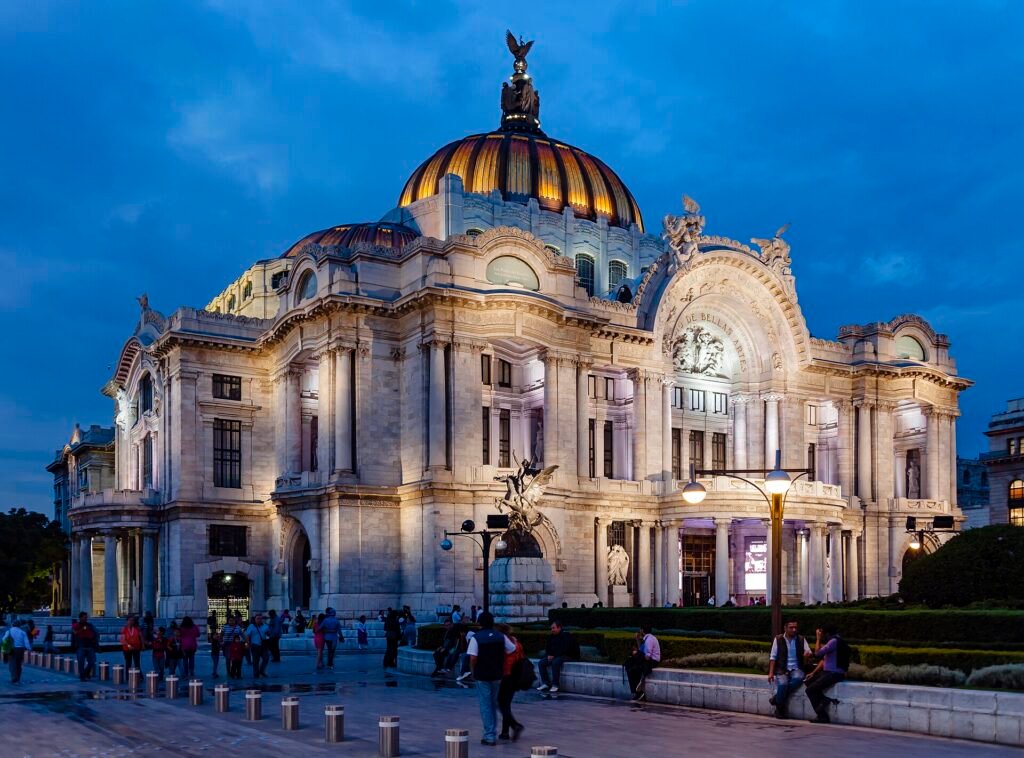
Centro Histórico is worth staying in only if walking out to the Zócalo, the cathedral and Bellas Artes matters more to you than a quiet evening. By day it is the busiest part of the city.
Calle Madero runs pedestrian from Bellas Artes to the Zócalo, the streets around the Templo Mayor ruins fill with tour groups, and the Alameda Central offers a green break between museums.
Pickpocketing, not violence, is the real risk here. Keep your phone and wallet out of back pockets, and do not stop in the crush with valuables in hand. The centre also shows the city’s subsidence up close, with colonial buildings that lean and a cathedral that has been settling for centuries.
For views, the Torre Latinoamericana observation deck and the free top-floor café in the Sears building opposite Bellas Artes both look over the historic core.
After about 10pm the rules change. Madero and the main avenues keep light and foot traffic, while the side streets east and north of the Zócalo empty out quickly. Stay on lit streets, take an app car back to your hotel, and if you stay in the area pick a hotel with a doorman and a secure entrance.
Zona Rosa, Juárez and Reforma: the areas in between
Zona Rosa and Juárez give you a central location, the city’s main gay nightlife and easy access to the Reforma hotel strip, sitting between Roma’s comfort and Centro’s crowds. Zona Rosa is the historic LGBT quarter, with bars and clubs that run late, and Juárez is its calmer residential side.
The main blocks are busy and well lit, but some side streets feel worn after dark, so keep to the busy blocks and take an app car home.
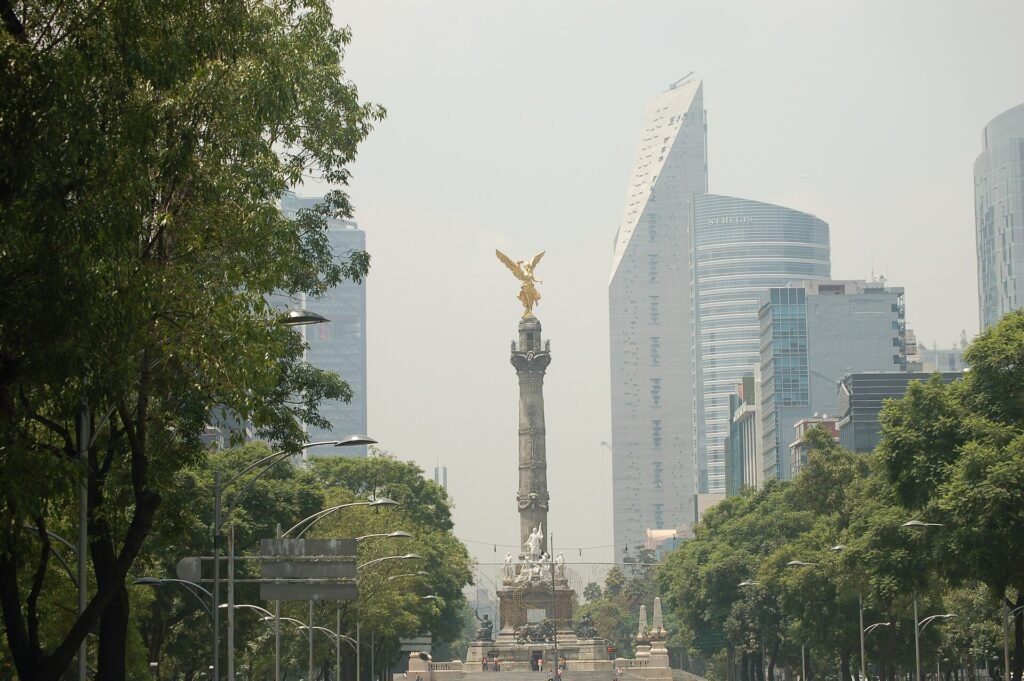
Paseo de la Reforma is the city’s ceremonial avenue, lined with hotels, embassies and the Angel of Independence monument. It is well lit and always busy with traffic, which makes the stretch between the Angel and the museums fine to walk in the evening.
Further south, San Ángel is a colonial pocket with a Saturday art market and almost no nightlife, and Santa Fe, out west, is a business district with hotels but no street character.
Airport transfers: what actually happens when you land
Benito Juárez International Airport (MEX) handles almost all international flights, and the two sensible ways into town are the authorised prepaid taxi desks inside the terminal or a ride app with the pickup rules checked in advance. Traffic decides everything from there: the run to Roma or Condesa is a short hop on a quiet morning and a slow crawl at 6pm.
Centro is closer to the airport than the western neighbourhoods, and Coyoacán sits at the other end of the scale.
Ignore anyone in the arrivals hall who approaches you with a taxi offer, however official they look. Authorised taxis are sold at fixed desks inside the terminal, priced by zone and paid before you walk out to the car.
Ride apps work across the city, but airport pickup zones have shifted over the years, so set the pin in the app and follow it rather than guessing at the kerb.
The metro reaches Terminal 1 via Terminal Aérea station on Line 5, and Metrobús Line 4 serves both terminals if your hotel sits along its Reforma or Centro route. A few flights, mostly domestic and low-cost, use Felipe Ángeles International Airport (AIFA) far north of the city, where transfers take longer and options are thinner.
Check the airport code on your booking before you plan the arrival, and if the trip strings two airports together, the Travel Glossary: A to Z of Travel Terms covers the vocabulary on your ticket.
Getting around Mexico City: metro, Metrobús, apps and walking
Walking is the best transport in the areas this guide covers, and for longer hops the metro is cheap, fast and safe in daylight. Pavements are uneven, so watch your step, and cross at lights because turning traffic rarely yields.
The metro costs five pesos a ride and reaches most places visitors go, but avoid it between 7am and 10am and again from 6pm, when carriages fill to the doors.
| Getting around | What it costs | Best for | Watch out for |
|---|---|---|---|
| Metro | Five pesos a ride | Daylight hops across the centre | Rush-hour crush, closing time near midnight |
| Metrobús | Slightly more than the metro | Avenues such as Insurgentes and Reforma | Needs a rechargeable card, buses fill up |
| Ride apps | Metered, usually cheaper than taxis | Most trips, especially at night | Airport pickup zones move |
| Sitio taxi | Metered at official ranks | Coming home late | Use ranks, not street hails |
| Bike share | Per ride or subscription | Roma, Condesa and Juárez | Traffic and midday heat |
| Walking | Free | Anything inside one colonia | Uneven pavements and turning cars |
Ride apps such as Uber and Didi are the default after dark, and the metro closes around midnight, so line up the last trip of the night before the bars close. Ecobici stations cover Roma, Condesa, Juárez and much of the centre, and Paseo de la Reforma closes to cars on Sunday mornings, when the avenue turns into a bike lane.
Safety habits that matter more than the neighbourhood you pick
Mexico City is a working capital of close to nine million people, and most visits pass without incident, but the risks that do catch tourists are petty rather than violent. Australia’s Smartraveller service advises travellers to Mexico to exercise a high degree of caution, which is a fair summary of the city: normal big-city awareness, plus a few habits worth keeping.
Keep your phone away at metro doors, crossings and markets, where snatches happen in seconds. Use ATMs inside banks or supermarkets during the day, and carry two cards with the passport left in the hotel safe. If someone demands your belongings, hand them over, because a phone is replaceable and a scuffle is not worth it.
After midnight, take an app car or a sitio taxi rather than walking empty blocks, in every colonia, including the polished ones. Marches on Reforma and the Zócalo are common, usually peaceful and a headache for traffic, so walk around them rather than through.
Drink bottled or filtered water, pick street food stalls with a queue and fast turnover, and take the first day gently because the city sits around 2,240 metres above sea level.
Day of the Dead and the festival weeks that fill the city
Book festival season before you book flights, because Day of the Dead runs on 1 and 2 November each year and the city fills with visitors. Altars appear in plazas, museums and markets, and events spill across the last week of October and the first days of November, with exact dates confirmed each year by the city’s official channels.
Hotel prices jump and good rooms sell out months ahead, so book a flexible rate early.
If the festival is the reason for the trip, plan the season with the International Festival Travel Planning Guide. Ready to work out what the whole trip costs? Start with Travel Budget Planning: Tips & Tools.
Frequently asked questions
Is Mexico City safe for tourists?
Yes, for ordinary tourist trips, with the same caveats as any large city. Violent crime against visitors is rare, while pickpocketing, phone snatching and taxi overcharging are the everyday risks.
Stay alert in crowds and use ride apps after dark.
Which part of Mexico City is safest to stay in?
Polanco and Condesa feel safest late at night, with well-lit streets and steady foot traffic. Roma Norte is close behind and better placed for restaurants and bars, while Coyoacán suits early nights and Centro Histórico suits sightseeing days.
What is the best way to get from the airport to my hotel?
A prepaid taxi from the official desk inside your terminal is the simplest option, priced by zone before you leave. Ride apps cost less where pickup is permitted, and the metro reaches Terminal 1 cheaply if you are travelling light.
How many days do you need in Mexico City?
Three full days cover the historic centre, the anthropology museum and one southern neighbourhood. Five days add Coyoacán, the canals at Xochimilco or a day trip to the Teotihuacán pyramids.
Is the Mexico City metro safe to use?
In daylight, yes, and it is how millions of locals travel every day. Keep your belongings close at the doors during rush hour, use the carriages reserved for women and children if that helps, and avoid empty stations late at night.
Image credits
- Photo: Jpesch95 / Wikimedia Commons, CC BY-SA 4.0. Source
- Photo: NorbertNagel / Wikimedia Commons, CC BY-SA 4.0. Source
- Photo: Adam Jones from Kelowna, BC, Canada / Wikimedia Commons, CC BY-SA 2.0. Source
- Photo: Daniel Case / Wikimedia Commons, CC BY-SA 3.0. Source
Works Cited
Smartraveller. “Mexico.” Smartraveller, Australian Government Department of Foreign Affairs and Trade, https://www.smartraveller.gov.au/destinations/americas/mexico.
Accessed 14 Sept. 2026.
Sistema de Transporte Colectivo. “Tarifas.” Metro CDMX, Gobierno de la Ciudad de México, https://www.metro.cdmx.gob.mx/.
Accessed 14 Sept. 2026.