
The short answer
Getting festival tickets before they sell out comes down to timing, preparation and knowing where to look. Presales open before the general public gets a shot, and the people who land them are the ones who signed up early, created their accounts in advance and had payment details ready to go. If the first sale passes you by, official resale and late releases keep opening new windows. This guide covers how to get festival tickets: presale access, queue mechanics, ticket types, resale rules and the scam checks worth running before you pay.

Why Festival Tickets Sell Out So Fast
Festival tickets sell out fast because capacity is capped, releases are staged and professional buyers compete with you on speed. A festival site can only hold so many people, and licensing and safety rules fix that number. Demand is not fixed.
It grows as the lineup lands and the group chat starts planning.
Sales run in waves. A presale allocation comes first, then a first release, then later releases at higher prices. Each wave shrinks the remaining pool, so the cheapest tickets are always the first to go.
Software makes it harder again. Some resellers use bots that wait in queues like everyone else but complete purchases far faster than a person can. In 2024, triple j’s Hack program went undercover in an online group of more than 500 people that used programs to buy up to a third of one artist’s concert tickets within hours of release.
None of that makes tickets unbeatable. The edge belongs to people who prepare before the sale opens, not to whoever clicks fastest on the day.
Presale Access Is Your Best Shot at Tickets
Presale access is the single biggest advantage you can give yourself, because it opens the sale to a smaller group before the public rush. Codes come from the festival’s email list, a headliner’s fan club, a card or telco partner, or the ticketing platform itself.
Four ways to get in early:
- Join the festival’s newsletter months ahead, not the week the lineup drops. Presale codes usually reach that list first.
- Register if the presale requires it. Some close registrations days before the sale, and late entries miss out.
- Follow the festival and the promoter on social media, where codes and reminders get posted.
- Check your spam folder. A presale code in spam is a code you never see.
Treat the presale as your main attempt, not a warm-up. Allocations are capped, and whatever is left flows into the general sale, where the crowd is far bigger.
For a fuller set of platform tactics, the guide to Festival Ticket Buying Strategies for Sellouts has more.
Set Up Your Accounts and Payment Before Sale Day
Create your ticketing account, save a payment method and confirm your contact details a few days before the sale opens. Checkout runs on a timer, and every second spent resetting a password or typing card numbers is a second your ticket can slip back into the pool.
The pre-flight list:
- Log in now and make sure the account works. Test the password while there is no queue.
- Save a card to the account and check that the billing address matches.
- Verify your email and phone number if the platform asks. Some sales require it.
- Read the ticket limits. Many festivals cap purchases per account or household.
Group buying needs a plan. Decide in advance who buys for whom, and check whether one account can buy several tickets, because transferring them later is not always possible.
If the festival is overseas, convert the sale time to your timezone today and set two alarms.
| When | What to do |
|---|---|
| Two weeks before | Join presale lists and create your account on the official ticketing platform |
| 48 hours before | Check the sale time in your timezone, the ticket limit and your payment details |
| 30 minutes before | Log in, open one tab on the sale page and join the waiting room if there is one |
| When the sale opens | Buy the best available option straight away and do not refresh mid-queue |
| 15 minutes after | Stay on the page, because abandoned carts release tickets back into the pool |
| Last 72 hours | Check for late releases and authorised resale returns |
How the Waiting Room and Queue Actually Work
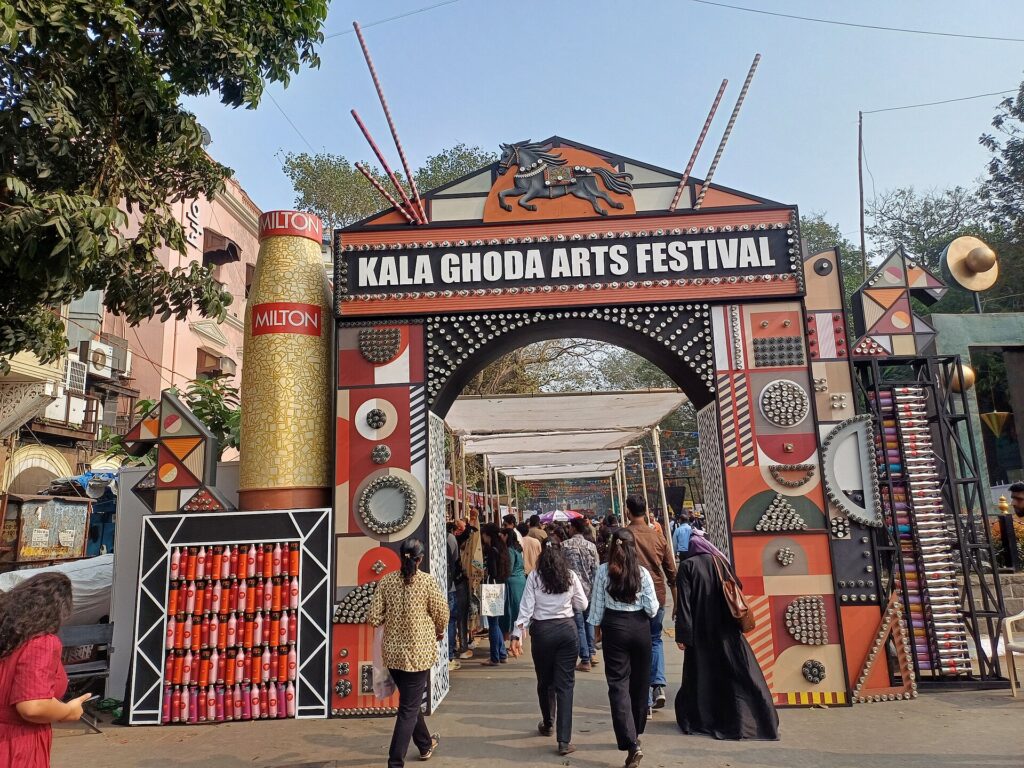
A waiting room is a holding page that opens before a big sale, and a queue moves buyers through once the sale begins. Arriving early gets you in line, but platforms often assign queue positions at random, so the waiting room rewards patience rather than speed.
Three rules for the queue:
- Do not refresh. Refreshing or rejoining can reset your place, and platforms warn against it.
- Keep one tab per account. Multiple tabs or logins can trip bot defences and get your session dropped.
- Keep a backup. A second device or a friend on standby adds a second chance, if the sale rules allow it.
Cart holds are the part most people miss. When you select tickets, a timer starts, and anything unpaid returns to the pool. That is why a sold-out screen is often temporary: “currently unavailable” can simply mean “in someone else’s cart”.
Stay on the page and keep checking.
When your turn comes, buy the first good option you see. Hunting for a perfect price tier is how people leave with nothing.
When It Says Sold Out: Resale, Re-Releases and Returns
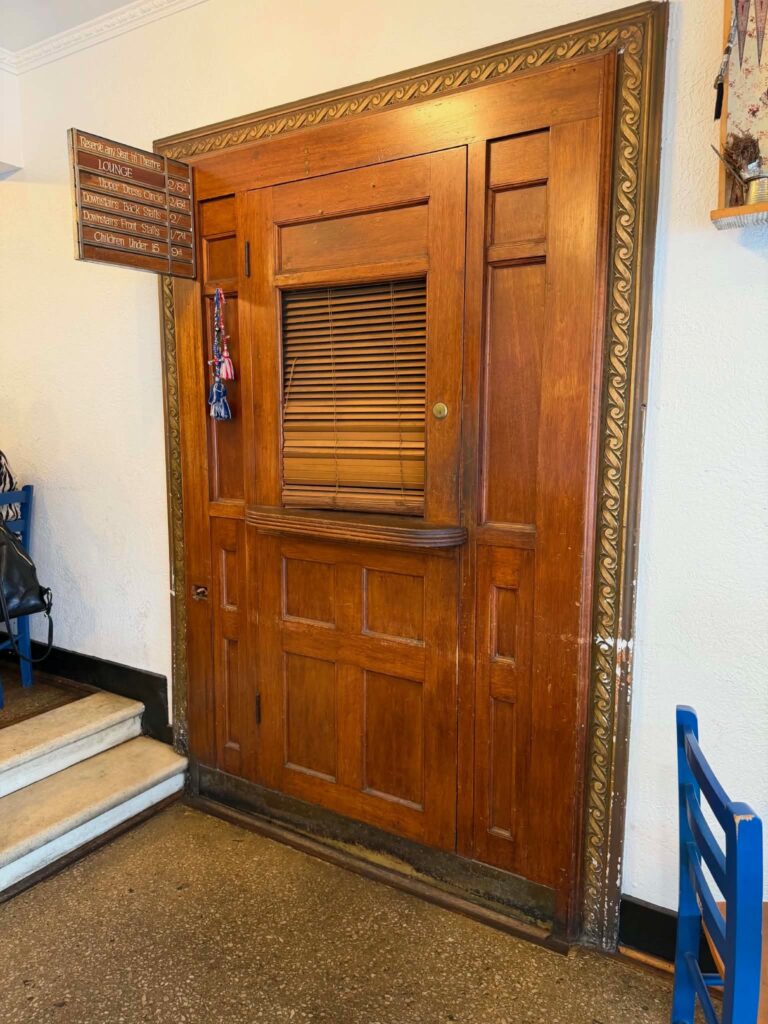
A sold-out general sale is not the end of the road, because official resale, later releases and late returns reopen the door. Work through them in order.
- Authorised resale. Platforms run by the official seller let ticket holders pass tickets on, often with price caps built in. Buy there and the ticket is real.
- Know the law. In New South Wales, it is an offence to resell a ticket for more than the original price plus transaction costs, capped at up to 10 per cent of the original price, and tickets sold above that cap can be cancelled. A similar 10 per cent ceiling applies in most Australian states and territories.
- Watch for later releases. Some festivals hold back day tickets, single-day passes or camping add-ons for later announcements.
- Check the final days. Production holds and unused tickets return to sale in the last week. Set an alert on the official resale page and check daily.
If a resale offer does not come from the official platform, treat it as a risk, not a bargain.
Festival Ticket Types, Explained in Plain Words
The label on a festival ticket tells you what tier you bought, when you can enter and how the ticket can be transferred. These are the terms you will meet at checkout.
- Early bird: the cheapest tier, released first in limited numbers. The access is usually the same as full price.
- First release, second release: the same access at rising prices. When one tier sells out, the next opens higher.
- General admission (GA): standing access with no fixed seat, covering the festival site.
- Day ticket or weekend ticket: part of the event versus all of it.
- Payment plan: a deposit now, instalments later. Miss a payment and the ticket can be cancelled.
- VIP or premium: extra viewing areas, entry lanes and facilities. If you are weighing up the upgrade, VIP Festival Tickets: Worth the Upgrade? compares what you get.
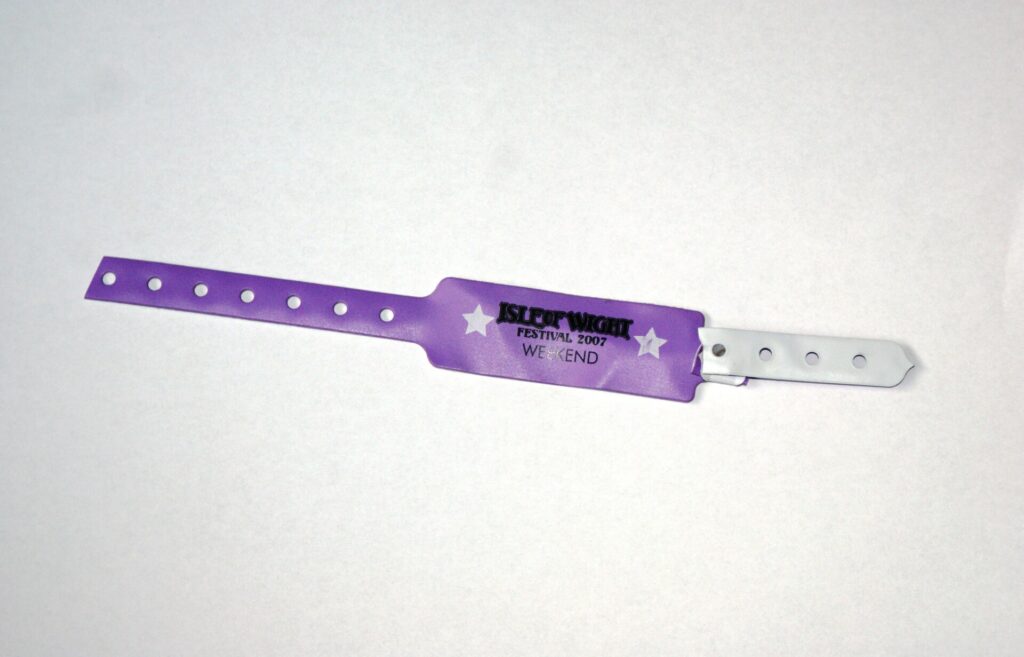
- Wristband or digital ticket: your gate credential. Names can be locked to tickets, so check how transfers work before buying from anyone else.
| Ticket type | What it usually means | What to check |
|---|---|---|
| Early bird | Cheapest tier, released first, same site access | Strictly limited; usually the first tier gone |
| Release tiers | Same access at higher prices | The price does not change what you can do |
| General admission | Standing access, no fixed seat | Arrive early for a good spot |
| Payment plan | Deposit plus instalments | A missed payment can cancel the ticket |
| VIP or premium | Extra areas, lanes or facilities | Compare inclusions before paying more |
| Wristband or digital | Your gate credential | Name-locked tickets transfer only via official resale |
If a word on the checkout page is still unfamiliar, the Travel Glossary: A to Z of Travel Terms explains the common ones in plain language.
Cheaper Ways In: Volunteering, Competitions and Work
Volunteering is the most reliable low-cost route into a sold-out festival. Festivals run their own programs for gates, recycling, bars and wristbanding, and you earn entry in return for shifts, usually through a deposit that is refunded once your hours are done. Applications open months ahead, and the best roles go first.
Festival Volunteer Opportunities and Benefits covers what the work involves.
Competitions and giveaways come second. Radio stations, sponsors and venues give tickets away in the weeks before an event, so enter every competition you see and read the terms, because most are drawn before the event week.
Some festivals also run ambassador schemes that trade promotion for a ticket, and some sell discounted tickets to residents near the site. Check both if they apply to you.
How to Avoid Ticket Scams Before You Pay
Buy only from the official seller or its authorised resale platform, and treat every other offer as a risk until you can prove otherwise. The losses are real: Scamwatch received 273 reports and more than $135,000 in losses from fake tickets sold through social media around one Australian stadium tour alone.
The pattern barely changes:
- An offer appears in a message or a social media post, often from a friend’s account that has been hacked.
- The seller has a story: they cannot attend and are selling at cost.
- They push for fast payment by bank transfer, sometimes with an extra fee to change the name on the ticket.
- The money goes and the ticket never arrives.
Four habits protect you:
- Start at the source. Go to the festival’s own site and follow its link to the official seller instead of trusting search ads and results.
- Check how transfers work. If the ticket is name-locked, only official resale can move it.
- Slow down. Urgency is a tactic, not a reason.
- Report and recover. If money leaves your account, contact your bank immediately and report the scam to Scamwatch, as the ACCC advises.
After the Ticket: Plan the Trip Around the Event
Once the tickets are locked in, the next constraint is where you sleep, because accommodation near festival sites sells out almost as fast as the tickets do. Book refundable rooms, sort your transport to the site and put a real number on the whole trip before the next sale day arrives.
Ready to price the full weekend? Start with the festival budget breakdown.
Frequently asked questions
When do festival tickets go on sale?
There is no fixed date, but most sales follow the same sequence: a presale allocation first, then the first general release, then higher-priced tiers as earlier ones sell out. Join the festival’s mailing list months ahead, because codes usually reach that list before any public announcement.
Can I buy festival tickets for my whole group in one order?
Often, but check the ticket limit on the sale page first, because many festivals cap purchases per account or household. Transfers are the bigger problem: name-locked tickets usually move only through official resale, so it is safest when the person buying is attending.
Is it safe to buy festival tickets from a resale site?
Only if it is the official resale platform tied to the event’s seller, where prices are usually capped and the ticket moves into your own account. Offers that arrive by direct message or ask for a bank transfer follow the scam pattern every time, so decline them and keep to the authorised route.
Is it better to use a phone or a computer to buy festival tickets?
Neither has a proven edge, so pick whichever you can click through fastest. What matters more is running a single session: extra tabs and repeat logins can trip bot defences, and a second device on standby adds a fallback where the sale rules allow one.
Can I still get festival tickets at the last minute?
Yes, though the routes change: after the general sale you are watching official resale and any late releases rather than fresh tiers. Decide in advance which days or ticket types you would accept, because choice is what last-minute buyers trade away.
Image credits
- Photo: Myself248 / Wikimedia Commons, CC BY-SA 4.0. Source
- Photo: DesiBoy101 / Wikimedia Commons, CC BY 4.0. Source
- Photo: Editor5807 / Wikimedia Commons, Public domain. Source
- Photo: AlphaLemur / Wikimedia Commons, CC BY 4.0. Source
Works Cited
“Ticket reselling.” NSW Government, Government of New South Wales, n.d., https://www.nsw.gov.au/legal-and-justice/consumer-rights-and-protection/services/ticket-reselling.
“Swifties beware: scammers are in their Cruel Summer Era.” ACCC, Australian Competition and Consumer Commission, 24 Jan. 2024, https://www.accc.gov.au/media-release/swifties-beware-scammers-are-in-their-cruel-summer-era.
“Ticket scalping is on the rise. Here’s how to avoid getting scammed.” ABC News, Australian Broadcasting Corporation, 19 July 2024, https://www.abc.net.au/news/2024-07-19/ticket-scalping-how-to-avoid-getting-scammed/104114378.