The short answer
A festival survival guide is not a packing list with attitude. It is a plan for the five things that decide whether a first festival works: what you carry, how you handle heat and noise, where your money goes, how you get in and home, and what you do when something goes wrong. Sort those out before you go and the weekend looks after itself. This guide covers each one in order, with the practical detail first-timers actually need.
What a First Festival Asks of You That a Normal Gig Does Not
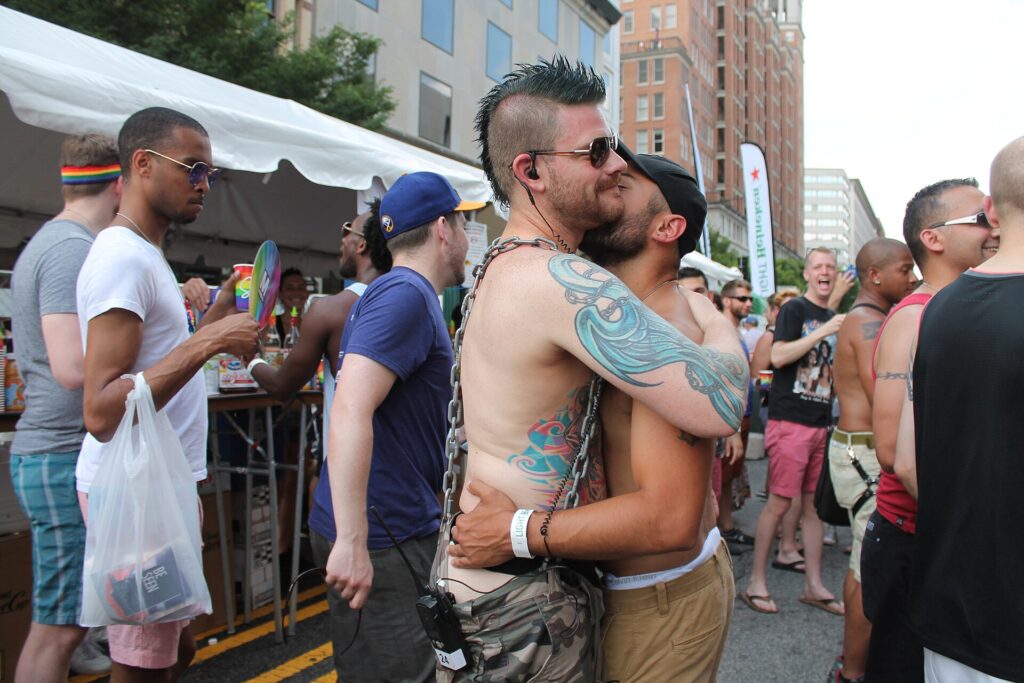
Your first festival is a logistics exercise wrapped around live music, and the line-up is the easy part.
A normal gig runs for two hours in one venue with a bar and a coat check. A festival usually runs for one to three days outdoors, with camping or a long commute at each end, thousands of people moving in the same direction, and weather nobody controls.
What catches first-timers is everything around the music: heat, sleep, food, phone battery, money and the walk back to a tent at one in the morning.
Treat the event as a short trip with a soundtrack rather than a big night out. The order that works is straightforward. Choose the format first, pack for that format, look after your body, watch the money, then decide your exits before you need them.
The rest of this festival survival guide follows that order, and each section can be read on its own if you are already partway through planning.
Pick the Festival Format Before You Pick the Ticket
Choose the format first, because a single-day festival, a weekend pass and a camping festival each need a completely different plan.
Day festivals mean you sleep in a real bed and carry one small bag. Camping festivals mean you are carrying your accommodation, and the total price includes camping, parking and gear on top of the ticket. A three-day event with camping is a different budget from a Saturday in a city park.
Read the ticket terms before you pay. Five details matter:
- Is camping included, or is it a separate add-on?
- Does the wristband allow re-entry, or is the first scan final?
- What is on the restricted items list?
- What are the bag size and ID rules at the gate?
- What happens to your money if the event is cancelled or rescheduled?
Buy in the earliest release you can. Tiered pricing means the first allocation is the cheapest, and popular events sell out long before the poster is finished. Resale rules vary by event, so check them if your plans might change, and never buy from a stranger without checking how the event transfers a ticket.
If a term on the checkout page is unclear, look it up before you pay. Ticket language is where first-timers lose money.
What to Pack for a First Festival
Pack for the walk from the car to the campsite, the forecast across all the days you are there, and the fact that there is no shop once you are inside.
The test is simple. If you cannot carry it in one trip, you have packed too much. Everything in the table below earns its space.
| Pack this | Why it earns the weight |
|---|---|
| Refillable water bottle, one litre or larger | Most sites run free water stations, so refilling beats buying |
| Closed-in shoes and a spare pair | Mud, long walks and portable toilets punish thongs and sandals |
| Earplugs | They protect your hearing and your sleep |
| Portable battery pack with a short cable | A dead phone breaks every meet-up plan |
| Sunscreen, hat and sunglasses | They cover the hours shade cannot |
| Torch or headlamp | Campsites are dark and full of guy ropes |
| Warm layer and a light rain jacket | Nights turn cold even after a hot day |
| Hand sanitiser or travel wipes | Sites do not always stock soap near the toilets |
| Bin bags or a dry bag | They keep wet clothes away from everything else |
Leave the glass at home and leave anything the restricted items list bans. Skip the outfits you will not wear and the valuables you cannot lock away. Camp gear, quantities and a printable version live in the festival packing list guide.
Heat, Sun and Weather: Plan for All Three
Sun protection and water are daily tasks at an outdoor festival, not optional extras you get to when the music stops.
Australian conditions make this concrete. Cancer Council Australia advises sun protection whenever the UV index is 3 or above, which covers most of a summer festival day. Use SPF50 or SPF50+, broad-spectrum and water-resistant sunscreen.
Apply it 20 minutes before you go outside, use about 35 mL (seven teaspoons) for your whole body, and reapply every two hours and after heavy sweating.
Heat does the rest. Drink water through the day rather than waiting until you feel dry, and take a shade break in the hottest hour instead of pushing through it. If you are sweating heavily for hours, add electrolytes rather than plain water alone.
Alcohol and midday sun are a poor combination, so pace the drinks and eat something along the way.
Nights and rain are the other half of the planning. Temperatures drop fast after the last set, and a wet campsite means damp clothes for the rest of the trip unless you pack for it. For cold-night layers, wet-weather gear and what to do when the forecast turns, use this guide to weather preparation for outdoor festivals.

Protect Your Ears and Your Sleep
Earplugs are the cheapest upgrade to a first festival, and they protect two things at once: your hearing and your ability to sleep afterwards.
Sound levels at concerts are high enough to matter. The World Health Organization’s safe listening guidance sets safe exposure at 80 dB for up to 40 hours a week, and that window collapses to roughly four hours a week at 90 dB. Festival sound passes 90 dB without effort near a stage.
WHO recommends earplugs in noisy places, standing away from speakers, and taking breaks from the sound. If your ears ring afterwards, or ordinary sounds seem muffled the next morning, treat it as a warning rather than a badge.
Sleep is the second problem. A campsite is loud until the early hours and hot by 7am, so a pitch away from the main walkway is worth the extra 100 metres. Earplugs and an eye mask turn a bad night into a workable one.
Take the sleep when the site is quiet instead of staying up because everyone else is.
Volume matters on the quiet hours too. If you are listening to music at your tent between sets, keep the headphones low enough that you can hear someone talking an arm’s length away, which is the practical test for whether the level is safe.
Where the Money Goes at a Festival
A festival budget has six lines, and the ticket is only the first of them.
| Line item | When it lands | How to control it |
|---|---|---|
| Ticket | Months ahead | Buy in the earliest release and check what it includes |
| Camping or accommodation | With the ticket or later | Compare on-site camping against an off-site bed plus transport |
| Travel and parking | On the day | Pre-book parking or a shuttle and know the last service |
| Food and drink | Every day | Carry breakfast and snacks, then set a daily limit on site spending |
| Gear | Once | Borrow what you can and buy once what you will reuse |
| Contingency | Unpredictable | Lockers, charging, lost items and the ride you did not plan |
Add a buffer on top of the total. Site food and drink cost more than the supermarket, and the small purchases add up faster than the big ones. The hidden festival costs guide covers the items people forget to budget for, from lockers to replacement gear.
Decide how you will pay as well. Card readers can fail when the network is congested, so carry a small amount of cash as backup and keep it in a zipped pocket rather than a bag you put down. Buy the big items, the ticket, the camping pass and the transport, before you travel.
Anything you leave to the day costs more.
Getting In Without a Fight, Getting Home Without a Meltdown
Getting to a festival is manageable when you plan the exit as carefully as the entrance, because leaving is where first trips go wrong.
Gates are busiest in the first hour after they open and again when the headline set ends. Arrive earlier than you think you need to, and know the time of the last shuttle, train or bus before you start drinking. If you are driving, pre-book parking or accept a long walk, because the closest spots fill first thing in the morning.
Set a meeting point on day one and make it specific. “The main stage” is useless when everyone is at the main stage. Pick a fixed object, such as a sign, a food stall or a welfare tent, and photograph it so you can show a stranger if your phone dies.
Screenshot the set times as well, and keep your campsite row or hotel address written on paper.
Decide in advance whether you are walking, waiting or leaving a little early. The half hour after the last set is the worst time to find a ride, and a tired group makes worse decisions. A short walk to a pickup point away from the main gate usually beats standing in a crowd of thousands.
When Something Goes Wrong: Water, Friends, Phones and Blisters
Most first-festival problems are small and fixable, and almost all of them get easier if you locate three things when you arrive: water, the first aid tent and your group’s meeting point.
Start with water. Drink before you are thirsty, and refill at every station you pass instead of carrying a full bottle all day. Red Frogs, an Australian charity that runs welfare crews at festivals, publishes festival survival tips built on the same basics: water, food, keeping your group together and earplugs.
Phones die at the worst possible moment. Keep the battery pack in your bag rather than your pocket, and switch the device to low power mode when you arrive. If you get separated and the network is jammed, wait at the meeting point instead of walking the entire site looking for someone.
Feet fail quietly. Blisters come from damp socks and new shoes, so change socks daily and carry tape, blister patches and painkillers. Know where the medical tent is, tell someone if you feel unwell rather than sitting down alone, and never leave a friend who looks worse than they claim to be.
More detail sits in this guide to first aid essentials for festival attendance.
What Nobody Warns You About Day Three
Day three is a logistics test rather than a music test: by then, everything you packed is dirty, damp or finished, and your body has stopped pretending.
Sun, noise and short sleep accumulate. The effects show up as a headache, a short temper, tired feet and a sudden inability to make small decisions. Water, real food and a slow morning fix most of it.
Eat something with protein at breakfast, keep up the electrolyte drinks if the heat has been constant, and accept that you will miss sets. Nobody sees everything, and the people who try are the ones who fade by mid-afternoon.
The campsite has its own third-day problems. Tents get damp from condensation, so open them up in the morning. Wet clothes will not dry in a pile, and the final day is the wrong time to discover that every pair of socks is soaked.
Keep one dry set aside in a bag for the trip home, and tie something bright to your tent so you can find it after dark.
Plan the day after the festival before the festival starts. A long drive on the last night is a bad idea, and a flight the next morning is worse. Book the buffer day if you can, then sleep, eat properly and unpack.
Recovery is part of the trip, not a bonus you get if there is time.
Your First Festival, Planned Properly
A first festival works when the boring decisions are made in advance: what you carry, how you handle heat and sound, what you will spend and how you get home.
Nothing on this list is complicated. The trick is to settle it early, when you are calm and sober, rather than at 1am with a dead phone and no meeting point. Choose the format first, pack for the weather you might get, protect your ears, hold back energy for the last day.
Ready to put numbers on the whole trip? Start with the travel budget planning guide and build the budget before you buy the ticket.
Frequently asked questions
Can I leave a festival and come back in?
It depends on the wristband: some events allow re-entry, and others treat the first scan as final. Check the ticket terms before you plan a trip back to the car, because a final-scan wristband ends your day at the gate.
How much cash should I carry at a festival?
A small amount in a zipped pocket is enough, and it covers you when card readers fail on a congested network. Set a daily on-site limit before you go, and buy the big items, ticket, camping and transport, in advance.
What should I do if I get separated from my group?
Wait at the meeting point you agreed on day one instead of walking the site looking for them, because searching a crowd of thousands rarely works. Keep the spot photographed and your campsite row written on paper, so a dead battery is not a disaster.
When should I arrive at a festival?
Arrive earlier than you think you need to, because gates are busiest in the first hour after they open and again when the headline set ends. If you are driving, the closest parking fills first thing in the morning, so pre-book or plan a longer walk.
Should I book a day off after a festival?
Yes if you can. A long drive on the last night is a bad idea and a flight the next morning is worse, so a buffer day makes the trip home safer.
Use it to sleep, eat properly and unpack, because recovery is part of the trip.
Image credits
- Photo: Elvert Barnes / Wikimedia Commons, CC BY-SA 2.0. Source
- Photo: Infrogmation of New Orleans / Wikimedia Commons, CC BY-SA 3.0. Source
- Photo: Eddie Kopp fiveohfilms / Wikimedia Commons, CC0. Source
- Photo: U.S. Air Force photo by Jeffrey Grossi / Wikimedia Commons, Public domain. Source
Works Cited
Cancer Council Australia. “Advice on how to choose, apply and store sunscreen.” Cancer Council Australia, n.d., https://www.cancer.org.au/cancer-information/causes-and-prevention/sun-safety/sunscreen/advice
Red Frogs. “Festival Survival Tips.” Red Frogs Australia, n.d., https://redfrogs.com.au/programs/music/festival-survival-tips
World Health Organization. “Deafness and hearing loss: Safe listening.” World Health Organization, n.d., https://www.who.int/news-room/questions-and-answers/item/deafness-and-hearing-loss-safe-listening