
The short answer
This guide explains how the Thai New Year water festival works, when it runs, where to celebrate it and how to plan a trip around it. You will get the core dates, the regional differences, the etiquette locals expect visitors to follow, and a practical packing and safety list. It answers the questions first-time visitors ask most about travelling during the busiest week of the Thai calendar.
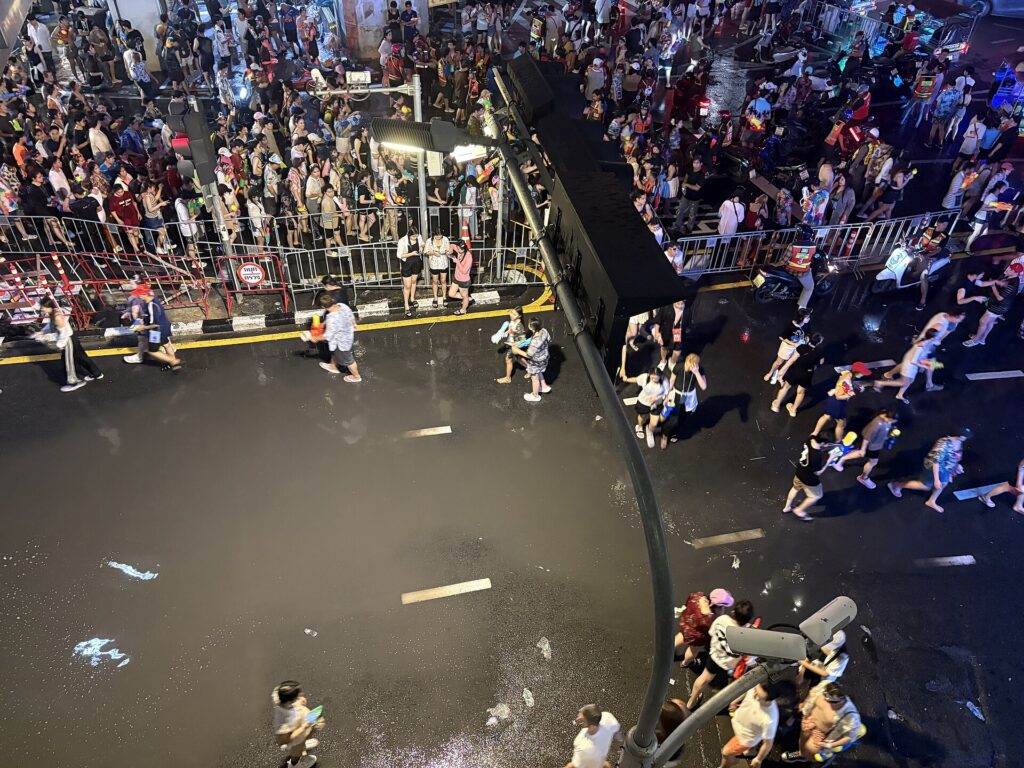
What is the Songkran festival in Thailand?
Songkran is the traditional Thai New Year festival, celebrated each April with water blessings, temple visits and street-wide water fights. It is the largest festival on the Thai calendar, and the three-day holiday closes offices, banks and many small businesses across the country.
The festival grew from Hindu tradition and the solar calendar, tied to the sun’s move into a new astrological year (EBSCO Research Starters). Thai families use the holiday to travel home, make merit at temples, clean the house and pay respect to older relatives. That mix is why the days feel like New Year and a family reunion at once.
Water sits at the centre of everything. Pouring scented water over a Buddha image or over an elder’s hands is a blessing, and the street water fight grew out of that custom. In 2023 UNESCO added Songkran to its Representative List of the Intangible Cultural Heritage of Humanity (UNESCO Intangible Cultural Heritage), which recognises the rituals behind the water, not just the party.
When does Songkran take place?
Songkran is typically held from 13 to 15 April, with 13 April as the main day and the public holiday covering all three dates. The core dates do not move, so you can plan your trip shape years ahead (“Songkran (Thailand),” Wikipedia)).
Two things do vary. Some provinces stretch their celebrations beyond the national window, and coastal towns often run their biggest water days later in April. Public holiday announcements can also shift by a day when the dates fall next to a weekend, so for anything tied to a specific event, confirm the local schedule on the official provincial or tourism website before you travel.
Expect banks, government offices and small businesses to close for the holiday. Shopping malls, convenience stores and most hotels stay open.
| Dates | What happens | Why it matters for planning |
|---|---|---|
| 13 April | Main Songkran day and Thai New Year’s Day | Temple rituals run early; street water fights start late morning |
| 14 to 15 April | Public holiday across the country | Busiest domestic travel days; trains, buses and flights sell out |
| Later in April in some provinces | Extended local celebrations, mostly coastal and eastern areas | Only worth planning around if you confirm the local dates |
Where should you celebrate Songkran?
Chiang Mai and Bangkok are the two cities most visitors weigh up first, with Chiang Mai stronger for ritual and atmosphere and Bangkok stronger for scale and easy transport. Beach towns suit anyone who wants the festival plus time on the sand.
| Destination | Best for | What to expect |
|---|---|---|
| Chiang Mai | Rituals and atmosphere | The old city moat area is the focus; the heaviest water days are 13 to 15 April |
| Bangkok | Scale and convenience | The busiest scenes are around Silom Road; the BTS and MRT keep running all week |
| Phuket | Festival plus beach time | Patong is the busiest stretch, with road closures near the beach road |
| Pattaya | A longer celebration | Local water days can run later than 15 April, so check the dates |
| Koh Samui | Smaller crowds | The same street water fights on a quieter scale |
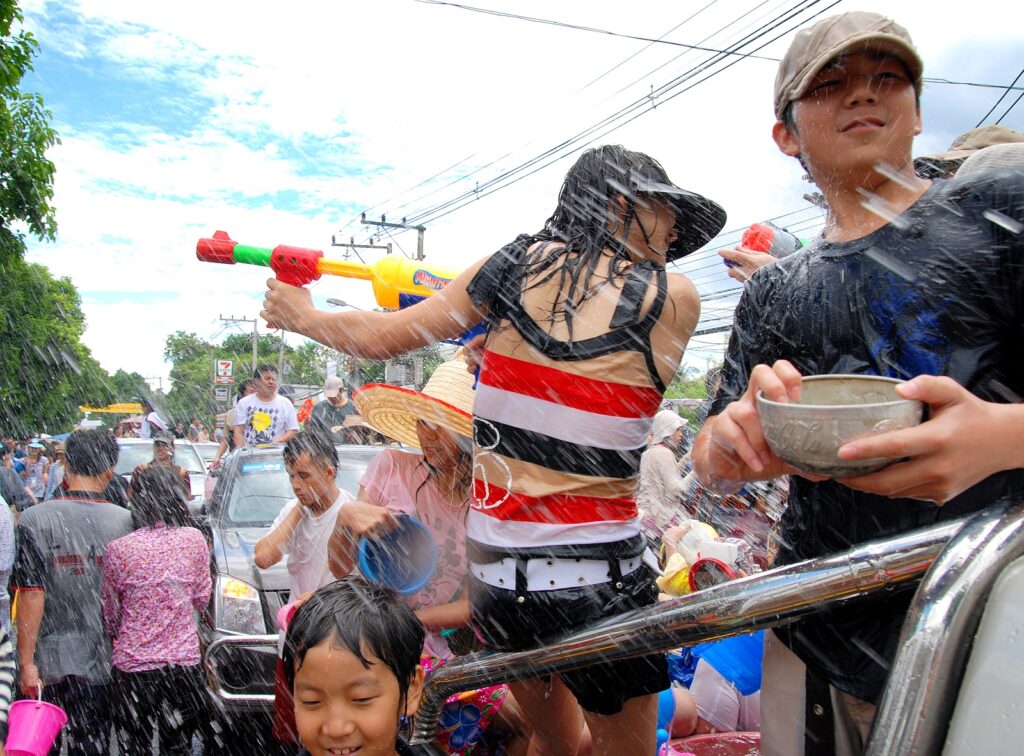
In Bangkok, stay near a BTS or MRT station so you can reach the water zones without sitting in traffic. For area-by-area advice, see Uncover Bangkok’s Ideal Stays and Hotspots. In Chiang Mai, book early: rooms near the old city are the ones that tend to sell out first.
What do the water rituals mean?
The water is a blessing before it is a game. It stands for washing away the past year and carrying good wishes into the new one, and the rituals around it are much older than the water fight.
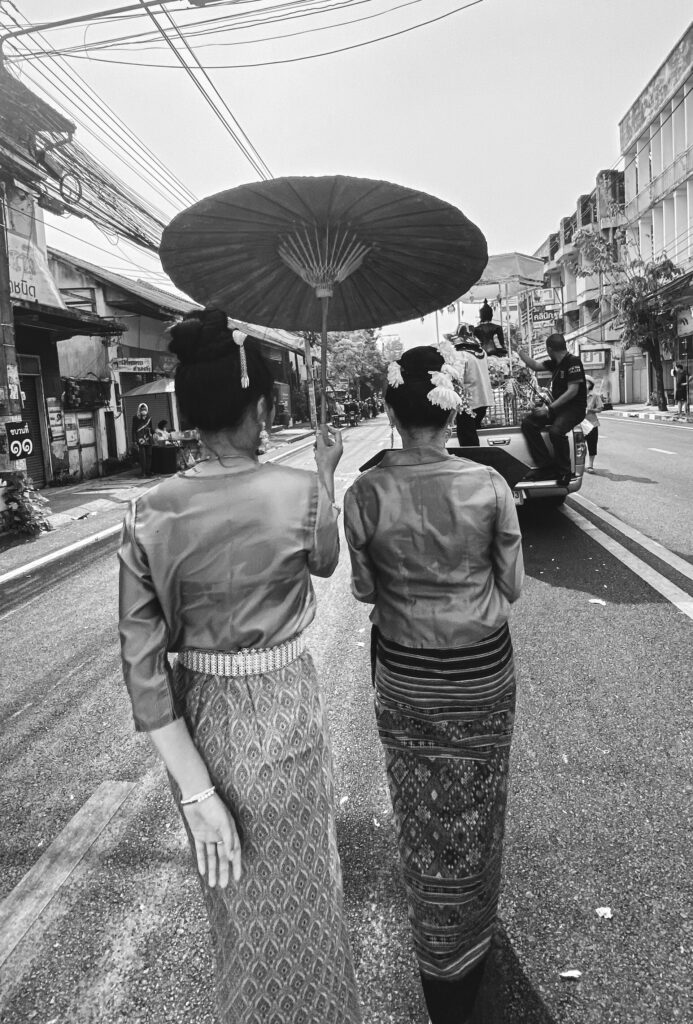
Most Thai families follow a rough order. In the morning they offer alms to monks and pour scented water over Buddha images at a temple. They may also clean the house and, in some communities, build small sand stupas in temple grounds.
Later they pour water over the hands of older relatives, a blessing in its own right, before the streets fill with buckets and water pistols.
Four words you will hear all week:
- rot nam dam hua: pouring water over an elder’s hands, the core blessing gesture.
- tam bun: making merit, usually by giving food and supplies to monks.
- wai: palms together at the chest, used as a greeting and a thank you.
- wan lai: the name some eastern provinces use for their main water-play days, which can fall later than 13 April.
Similar solar new year celebrations run across South and Southeast Asia. Water Festivals Around the World compares the largest of them if you want the wider picture.
Do you need tickets for Songkran?
No. The public celebration is free, and the water fight happens on open streets and in public spaces where nobody checks a ticket.
Money changes hands in three places: ticketed concerts and pool parties run by brands and venues, hotel packages that bundle meals and events, and temple events that accept donations. If a reseller offers you a paid Songkran festival tour, read exactly what is included before you pay, because the festival itself has no entry fee.
How do you plan a Songkran trip?
Book flights and accommodation three to six months ahead, and lock in domestic transport before March. Songkran is the biggest domestic travel week of the Thai year, because the whole country moves at once.
- Flights. International fares into Bangkok and Phuket sit near the top of the year’s range in the first half of April. Domestic routes around 13 April sell out early, especially to the north.
- Trains and buses. Overnight trains and coaches between Bangkok, Chiang Mai and the south fill weeks ahead. If you want a specific service, book the moment the booking window opens.
- Hotels. Rates climb and good rooms disappear in Chiang Mai, Phuket and Pattaya. Pick somewhere you can reach without walking through the main water zones.
- Visas. Australian and most Western passport holders enter Thailand visa-free for short stays, but the rules and the allowed stay length change. Check the current allowance with the Thai embassy before you book.
How long should you stay for Songkran?
Plan five to seven days if you want the full festival plus recovery time, and three days if you only want the core dates. Most visitors land on a week as the sweet spot.
Arriving on 11 or 12 April lets you settle in before the streets get busy and shop for water gear at normal prices. The core days, 13 to 15 April, are the ones to experience in full.
Leaving on 16 or 17 April avoids the heaviest travel crush, and if you want a rest after the water fights, add a few beach days at the back end of the trip.
What does a Songkran trip cost?
Songkran falls in Thailand’s peak season, so budget for the top of the year’s flight prices and for hotel rates that rise rather than fall as the date approaches. Two things push demand at the same time: the festival and the school holidays.
Costs that surprise first-timers:
- Water gear. Water guns, buckets and pouches are sold cheaply on street stalls and in supermarkets, so buy there instead of paying for extra luggage at home.
- Transport. Rideshare apps often add surge pricing during the busiest hours, and airport transfers take longer when roads are closed.
- Location. A hotel inside a water zone costs more and is noisier; a hotel a few streets away is cheaper and drier.
- Timing. Arriving a day early usually costs less than arriving on 12 or 13 April, when demand is at its peak.
Sort the big numbers first, then set a daily budget for food, water refills and local transport.
Songkran etiquette: what locals expect
Keep it kind, keep it clean and read the room. Songkran is a religious holiday before it is a party, and the expectations are simple.
- Do not splash monks, elders or babies, or anyone who signals they are not playing.
- Use clean water. Ice water and dirty water are not part of the tradition and can hurt.
- Aim low. Faces, eyes and ears are off limits, and never splash someone riding a motorbike.
- Dress for temples. Cover shoulders and knees, and remove your shoes before you go inside.
- Return the greeting. A smile, or a wai with palms together at your chest, is the polite reply to a wish for a happy new year.
The wider rules of festival behaviour, from tipping to queuing to photographing people, are covered in Cultural Festival Etiquette Around the World.
What should you pack for Songkran?
Pack for heat and water: quick-dry clothes, grippy shoes, a waterproof pouch and a dry bag. Everything water-related is also cheap to buy in Thailand, so travel light.
- Waterproof phone pouch and a small dry bag for cash, cards and keys.
- Goggles. Travel health advice for the festival usually includes eye protection, because dirty water and grit cause infections.
- Two pairs of shoes you do not mind soaking, plus one set of dry clothes kept dry in a plastic bag.
- High-factor sunscreen and a hat for the temple mornings.
- A small towel and a change of shirt for the ride or walk home.
The full checklist is in the Festival Packing List: Essentials Guide.
Staying safe at Songkran
Yes, Songkran is safe for most visitors, as long as you treat traffic as the main risk and water as the second. The main events are busy but friendly, and millions of Thai families celebrate with children in the crowd.
The road figures are the serious part. The holiday week has a reputation as the deadliest stretch on the Thai roads, and authorities run a national road safety campaign every year to bring the numbers down. If you are not an experienced rider, do not hire a scooter.
If you do ride, wear a helmet and stay off the roads at night.
On the water side: protect your eyes, use clean water, keep your phone sealed and leave your passport in the hotel safe. Around Silom Road and the Chiang Mai moat, keep bags zipped and in front of you.
The bottom line
Songkran rewards planning more than most festivals, because the whole country is on the move at the same time. Book flights and a reachable hotel early, keep your mornings for temples and your afternoons for water, and treat the wet afternoons as the plan rather than an interruption.
Ready to price the whole trip? Start with Travel Budget Planning: Tips & Tools.
Frequently asked questions
Do the Songkran dates change each year?
The core dates stay fixed: 13 April is Songkran day, and the public holiday runs to 15 April. Official holiday announcements and local events can shift by a day or two, so confirm the schedule for your travel year.
Do Australians need a visa for Songkran?
No special visa is needed for the festival. Australian passport holders normally enter Thailand visa-free for short holidays, but the allowed stay length changes from time to time, so check the current rule with the Thai embassy.
Is Songkran a good trip for families with children?
Yes, and Thai families celebrate together all week. Choose daytime hours over late nights, keep children away from the busiest roads, and pick a hotel with a pool or courtyard for breaks from the water.
What is the biggest risk at Songkran?
Traffic, by a wide margin. The holiday week is the worst on Thai roads, and risk climbs on intercity routes late at night and for riders without helmets, so travel in daylight and skip scooter rentals.
Can you avoid the water fight if you want to?
You can, with planning. The streets stay mostly dry before late morning, side streets and indoor venues stay out of the action, and hotels outside the main water zones give you a dry base.
Image credits
- Photo: Chainwit. / Wikimedia Commons, CC BY 4.0. Source
- Photo: Shirley Roots / Wikimedia Commons, CC BY 4.0. Source
- Photo: Takeaway / Wikimedia Commons, CC BY-SA 3.0. Source
Works Cited
“Songkran (Thailand).” Wikipedia, Wikimedia Foundation, en.wikipedia.org/wiki/Songkran_(Thailand). Accessed 14 Sept. 2026.
“Songkran in Thailand, Traditional Thai New Year Festival.” UNESCO Intangible Cultural Heritage, UNESCO, ich.unesco.org/en/RL/songkran-in-thailand-traditional-thai-new-year-festival-01719. Accessed 14 Sept. 2026.
Campbell, Josephine. “Songkran (Thailand).” EBSCO Research Starters, EBSCO Information Services, 2022, www.ebsco.com/research-starters/sports-and-leisure/songkran-thailand/.
Accessed 14 Sept. 2026.