The short answer
Multi day festival camping rewards a setup that keeps working after the first night. The hacks that matter are unglamorous: pitch for shade and quiet, pack so you can find things in the dark, sleep properly, keep food cold and keep power flowing. Get those right and the weekend stops being an endurance test. This guide covers campsite position, packing by zone, a two-cooler system, heat, power, ticket checks and camp manners, plus a table you can copy before you load the car.
Pitch the Camp for Shade and Quiet, Not the View
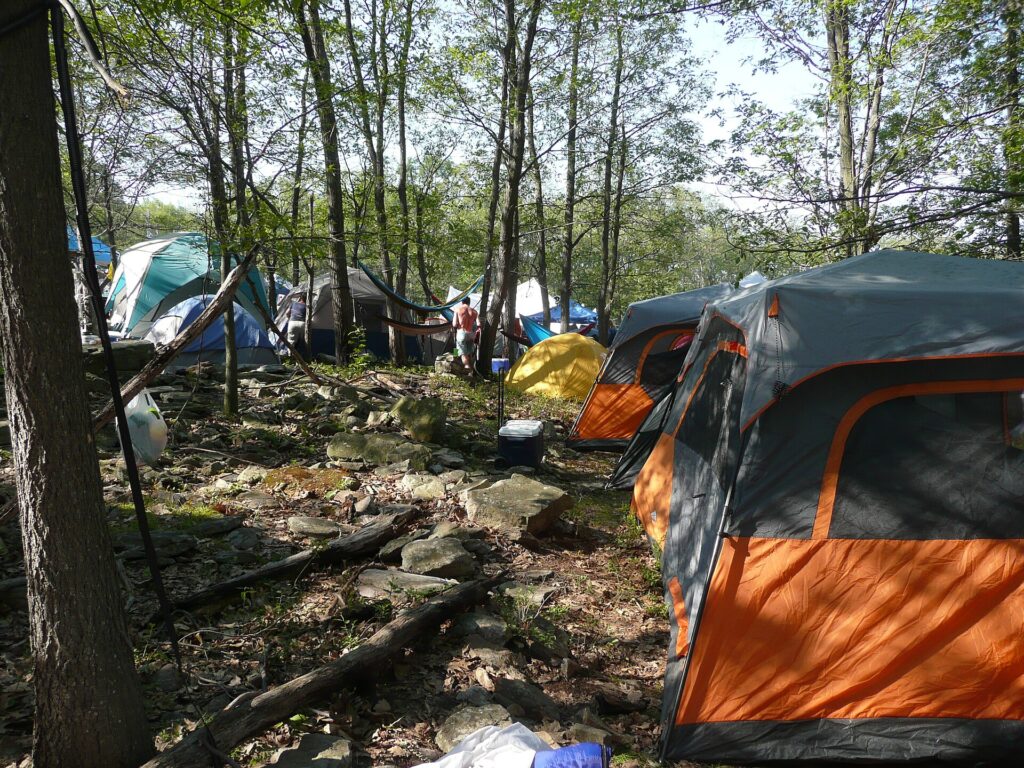
Arrive early, walk the options, and choose a pitch by two rules: morning shade and distance from the main paths. Heat wakes a tent long before you are ready, and a spot beside a walkway means foot traffic and noise all night.
Coleman’s festival camping list makes a related point: festival campsites are often tighter than people expect, so claim your space early and keep your footprint inside it.
Check the ground before you commit. A slope feels fine at 5pm and awful at 4am. Face the tent door away from the afternoon sun, and keep guy lines tight and marked with tape or reflective cord, because unmarked lines trip people (mostly you) in the dark.
Leave a walking corridor between your camp and the next one. It costs a metre now and saves a row of small arguments across four days. If the event allows gazebos or tarps, put the shade over the tent, not just over the chairs.
A tarp on poles beats a hot tent at 8am.
Pack by Zone so You Can Find Anything in the Dark
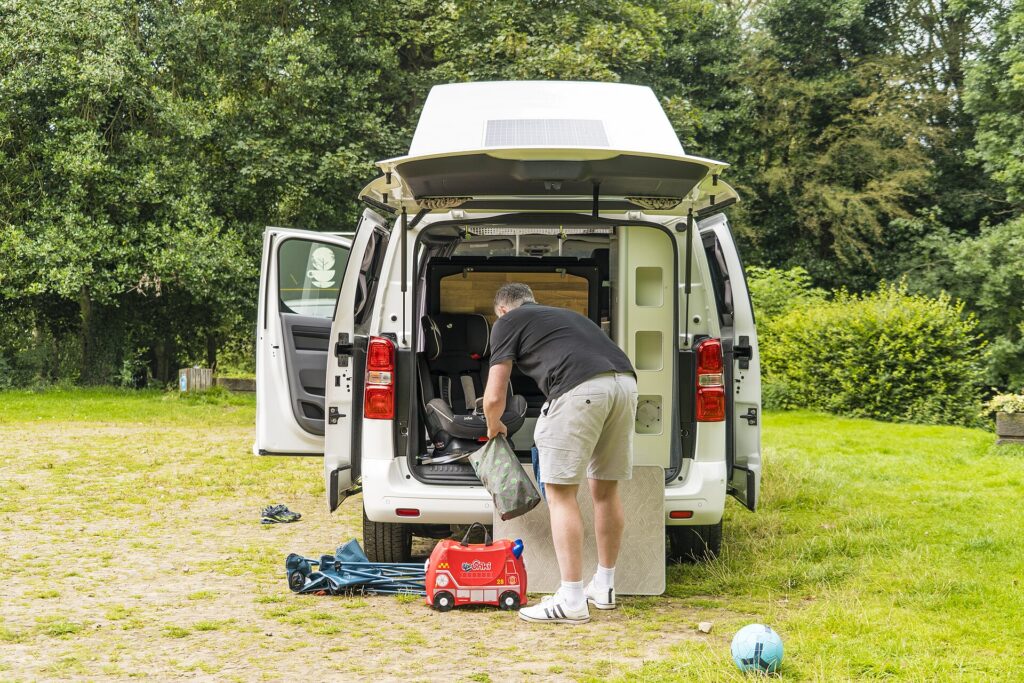
Pack into labelled zones, one per job, so nobody has to unpack the whole car to find a head torch. One crate for cooking, one for sleep, one for clothes, one for power and cables. Zones survive real festival life; a single beautifully organised bag does not.
REI’s festival camping checklist groups the job the same way: campsite setup and sleep gear, cooking, clothing, and the separate kit you carry to the main stage.
Two cheap additions do a lot of work. A hanging shoe organiser on a gazebo leg holds sunscreen, chargers, cutlery and sunglasses at eye level. A lidded tub protects anything that dislikes damp or dust.
Write what is inside each crate on a strip of tape, because at 2am labels beat memory.
For a full item-by-item list, work through the Festival Packing List: Essentials Guide before you shop.
Build a Sleep Setup You Can Recover In
For multi day festival camping, the sleep setup is the difference between enjoying day four and surviving it. The fix is insulation and noise control, not a bigger tent. Cold ground pulls heat out of your body all night, so run a foam mat under an air mattress.
It adds warmth, and it cushions you when the mattress slowly leaks.
Bring proper foam earplugs and a sleep mask. A campground never fully goes quiet, and dawn turns a thin tent into a greenhouse. Air sleeping bags and pads each morning so they stay dry and keep their loft, and keep dirty clothes and shoes outside the sleeping area, zipped into one laundry bag.
Test the whole setup at home for one night before the festival. A leaking mattress and a bag rated for the wrong season are much cheaper to fix in your lounge room than at the gate.
Run Two Coolers and Make Ice Last
Running two coolers, one for food and one for drinks, keeps cold air where it belongs and stops the constant lid-opening that kills ice. Coleman recommends the same split and notes that multi-day trips call for a higher-capacity cooler than a day trip does. Freeze water bottles at home and use them as the base layer of ice.
As they melt, you get cold drinking water instead of slush.
Pack the food cooler once, then open it twice a day, at breakfast and dinner. Drinks live in the second cooler and take the traffic. Restock ice in the morning, when queues are short and stock is fresh, and label each lid so morning brain does not have to guess.
| Job | Food cooler | Drinks cooler |
|---|---|---|
| What lives inside | Meals, dairy, leftovers, condiments | Water, soft drinks, spare ice |
| Packing order | Frozen bottles on the base, food in the middle, ice on top | Bottles first, ice layer last |
| How often it opens | Twice a day | All day |
| Daily routine | Drain meltwater each morning | Top up ice before the afternoon |
Ice, showers, lockers and phone charging can add up across four days. The Hidden Festival Costs: Complete Budgeting Guide lists the extras people forget to plan for.
Beat the Heat Before It Beats You
Plan the day around the heat: shade in the middle of it, water all day, and one electrolyte drink a day. A hot afternoon is for recovery, not for standing in the sun at the rail. Drink before you feel thirsty, because thirst arrives late, and set a group rule of one bottle downed per set.
Swap your daytime kit: light long sleeves and a hat beat bare shoulders, because sunburn on day one becomes misery on day three. Keep sunscreen in the day pack, not the tent.
The forecast will change at least once over a festival weekend. Weather Preparation for Outdoor Festivals covers how to plan for heat, rain and wind without packing a second wardrobe.
Plan Power Before You Pack the Speaker
Work out where every phone, light and fan will charge before you leave home, and plan for two charges per device per day. Power strategy beats power capacity. One large power bank covers the group, smaller ones ride in day bags, and everything gets charged in one afternoon session under the shade while you rest.
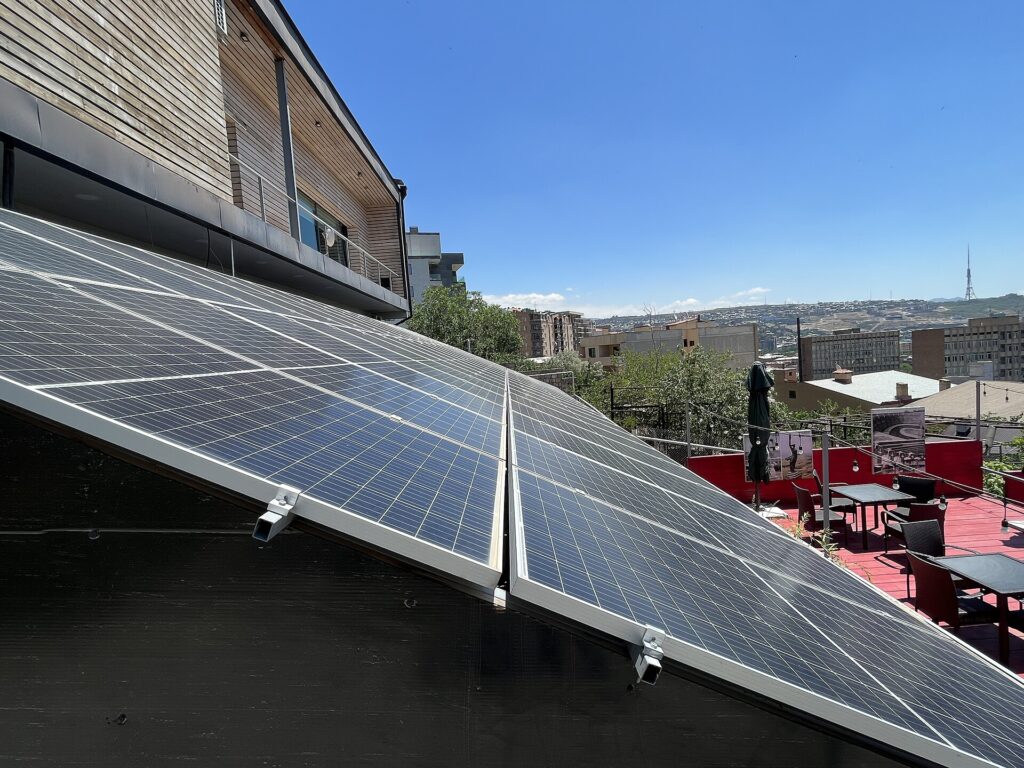
Phones last longer in airplane mode, which helps at a festival where reception is patchy anyway. Solar panels help on longer stays, but only if they sit in the sun you are hiding from. Leave one flat on the cooler, facing north through the middle of the day, and move it twice.
For lights, take one head torch each plus one rechargeable lantern per camp. A single charging cable for camp beats a drawer of batteries.
Check the Camping Ticket Before You Load the Car
Multi day festival camping rules vary by event, so read the camping ticket terms before you pack. Music Festival Wizard’s camping festival directory lists 379 camping festivals worldwide at the time of writing, and campground rules differ from event to event.
Confirm four things on the official event site: the size of your allocated space, whether your ticket includes a vehicle pass, when gates open, and what is banned at the gate. Gazebos, generators and glass rules change what you pack.
Camping tickets carry their own vocabulary. If a term on yours is unfamiliar, the Travel Glossary: A to Z of Travel Terms explains travel words in plain language. Share the arrival plan with your group, because gate opening times shape how the whole first night goes.
Keep the Camp Civil and Your Neighbours Friendly
Shared camp rules are simple: keep noise inside your own site, keep paths clear, and clean as you go. Four days in close quarters runs on small courtesies, not grand gestures.
Stick to the corridor between camps instead of cutting through a stranger’s pitch at 1am. Drop music to talking volume once quiet hours start; every campground has them, and the stewards enforcing them have heard every excuse. One rubbish bag per day, tied and stowed, beats a growing pile at the edge of camp.
A tidy site draws fewer patrols and friendlier neighbours.
Reset Each Morning Instead of Crashing on Day Four
A short morning reset keeps you functional for the whole run. The people who enjoy day four all do the same boring things on day two.
Drink a full bottle of water when you wake, eat something with protein, and get out of the tent before the sun turns it into a sauna. Walk one loop of the campground to get your legs moving and your plan straight. Wash where you can, change your socks, and add a warm layer before the evening temperature drops.
Rotate two sturdy pairs of shoes; feet that stay dry are feet that keep working.
Finish with a ten minute camp tidy: rubbish out, food re-sealed, ice checked. A camp that gets tidied daily never needs a heroic clean-up on the last morning.
What Makes Multi-Day Camping Work
Multi day festival camping works when the basics run on repeat: shade, sleep, food, power and a camp you can find things in. Pitch early, pack by zone, guard your sleep, run two coolers and treat water and shade as fixed parts of the day rather than afterthoughts. Do that and the campground becomes a base, not a challenge.
One last habit: agree on a meeting point with your group on the first afternoon. Phones die, reception drops and people wander, and a fixed spot puts everyone back together without drama.
Ready to line up the rest of the weekend? The Music Festival Survival Guide for First-Timers covers the parts of the weekend that happen outside the campground.
Frequently asked questions
Should you lock your tent at a festival?
It can help, though not as much as it feels like it should: a padlock on the zip stops casual hands, but it also signals valuables inside and will not stop anyone determined. Keep passports, cards and spare cash in an on-site locker or the car instead.
How do you find your campsite in a large campground?
Make it visible from a distance: a flag, a canopy or a lantern on a pole beats a tent that looks like every other tent. Then learn the walk back in daylight, and save a map pin while you still have signal.
How early should you arrive for festival camping?
As close to gate opening as you can manage, because the first hours are the only time the field still has real choices. Check the gate time on the official site, then spend ten minutes walking the options before you unload the car.
Is camping at a festival worth it?
For most people, yes: you are already inside the event, so there is no nightly shuttle or drive to arrange, and the early sets are a short walk away. The trade is comfort, so it helps to know going in that heat and noise are part of the deal.
What is the most common mistake when festival camping?
Overpacking: gear that never leaves the car, and one giant bag with no zones. The other common one is leaving the setup to the morning you arrive, when an hour of sorting at home would have saved an hour of digging in the dark.
Image credits
- Photo: Djembayz / Wikimedia Commons, CC BY-SA 4.0. Source
- Photo: CruiseAmerica / Wikimedia Commons, CC BY-SA 4.0. Source
- Photo: 고려 / Wikimedia Commons, CC BY 4.0. Source
- Photo: Benoît Prieur / Wikimedia Commons, CC0. Source
Works Cited
Wayt, Elle. “Festival Camping Checklist.” REI Expert Advice, Recreational Equipment, Inc., 9 Feb. 2026, https://www.rei.com/learn/expert-advice/festival-camping-checklist.html.
Coleman. “Festival Camping List: What You Need to Bring.” Coleman, https://www.coleman.com/festival-camping-list.html.
Accessed 14 Sept. 2026.
Music Festival Wizard. “Camping Music Festival 2026-2027.” Music Festival Wizard, https://www.musicfestivalwizard.com/festival-type/camping-2/.
Accessed 14 Sept. 2026.