
The short answer
Travel insurance for festivals is not a separate product you buy at the gate. In practice, you buy an ordinary travel policy and insure the prepaid costs of the trip: the ticket, the flights, the accommodation. What gets paid depends on why the plans fall apart, because policies pay only for the events they define. Some risks, such as a headline act pulling out or simply changing your mind, normally fall outside standard cover unless you pay for extra flexibility. This guide explains what festival cover really includes, where the gaps are, and the questions worth settling before you pay a premium.

Is there separate travel insurance for festivals?
No. There is no standalone festival policy sold to attendees. You buy a standard travel insurance plan, single-trip or annual multi-trip, and the festival becomes part of the trip you are insuring. The ticket is a prepaid cost, alongside flights and accommodation, and it can be claimed when a reason the policy defines forces you to cancel or come home early.
Some insurers market this more directly than others. Generali, for example, says its trip cancellation and interruption benefits can insure prepaid tickets for festivals, concerts, excursions and theme parks, provided you declare the non-refundable ticket cost in the trip cost you enter at quote time. Travel Guard markets the same idea as “entertainment travel”.
Three practical points follow from that. The ticket is only protected if its cost is declared when you buy the policy. The payout depends on the trigger being on the covered list, not on how disappointing the situation feels.
And the wording decides everything, so learn the vocabulary early: an excess, a sub-limit and a Product Disclosure Statement all shape what lands in your account. If any of those terms are new, the travel glossary explains them in plain words.
One more decision sits at the front. If you have two or more festival trips in a year, price an annual multi-trip policy against single-trip cover. The annual option usually wins once the second trip is booked.
What travel insurance for festivals typically covers
A standard policy is built around six big protections: cancellation, interruption, emergency medical costs, evacuation, your belongings, and personal liability. Cover varies by insurer and by plan tier, so treat the headings below as the checklist you confirm in the policy wording, not as a promise.
| Cover | What it usually pays for | What to check |
|---|---|---|
| Trip cancellation | Prepaid, non-refundable costs if you cancel before departure, including your festival ticket, transport and accommodation | The exact list of covered reasons, and whether event tickets are named |
| Trip interruption | Unused prepaid costs, plus the cost of getting home if you must cut the trip short | Whether return travel is included, and how partially used bookings are handled |
| Emergency medical | Treatment and hospital costs for sudden illness or injury during the trip | Sub-limits, and the rules on pre-existing conditions |
| Medical evacuation | Transport to adequate care, or home, when a doctor directs it | Whether evacuation is included or sold as an add-on |
| Baggage and gadgets | Lost, stolen or damaged belongings, including your phone | Per-item caps, age limits on electronics, and the excess |
| Personal liability | Damage or injury you accidentally cause to other people or their property | Whether it is included at all on the plan you are considering |
Insurers write their own trigger lists, and the details behind each heading are where claims are won and lost. Travel Guard names sickness, severe weather and job loss among the events that can stop a trip, and pairs its plans with 24-hour emergency assistance. Generali puts its count at 20 covered reasons across its plans.
UK guides such as GoCompare’s festival cover piece describe the same building blocks: cancellation cover, plus personal possessions and gadget cover.
Interruption is the benefit with the most festival relevance, because these trips are long and physical. If you are two days into a three-day event and a covered event forces you home, interruption can reimburse the unused prepaid costs and pay for the return trip. Check how the policy values unused portions, because some insurers work by day and others by booking.
Two more details trip up first-time buyers. The limit has to be big enough to matter: if the cancellation limit sits below the ticket price, a payout recovers only part of the loss. And the ticket counts only if it was declared, so add every non-refundable cost when you enter the trip value at quote time.
Where descriptions of cover differ, the wording of the policy you are considering beats any general summary, this one included.
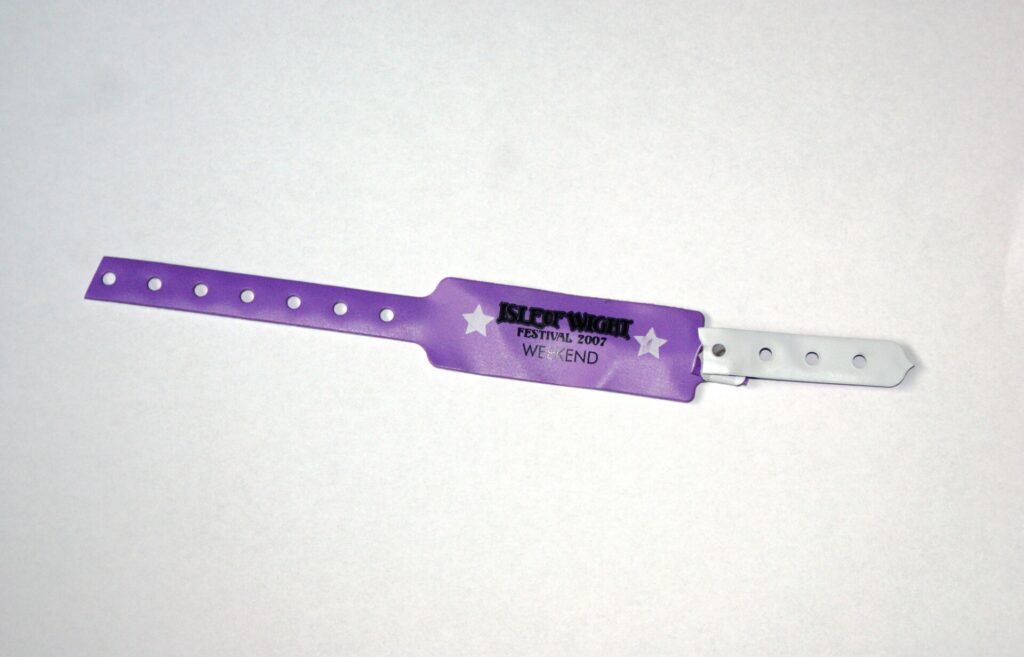
What festival travel insurance will not cover
Policies pay for the events they define, and the biggest festival disappointments often sit outside the standard list. That is the whole game with this cover: if your reason for claiming is not on the covered-reasons list, the claim fails, however real the loss.
Change of mind is the clearest example. Deciding to skip the trip, or preferring a better offer, is not a covered reason on standard plans. Extra flexibility usually comes as a paid upgrade, and even then the terms bite.
Generali’s cancel-for-any-reason add-on, for instance, reimburses up to 75 percent of the penalty amount, costs extra, attaches only to its Premium plan, and must be bought before or within 24 hours of your first trip payment.
Organiser cancellations and lineup changes are the murkier risks. Whether a policy pays for either varies by insurer, so do not assume an answer in either direction. Ask the insurer directly: what happens if the festival is called off, or if the headline act pulls out?
A written answer is the only one that counts when the claim is assessed.
Resale deserves its own check as well. Passing a ticket to someone else can breach the event’s terms, and your insurance covers your trip, not the person who takes your place. If selling might form part of the plan, look at the ground rules in festival ticket buying strategies for sellouts before the tickets are in hand.
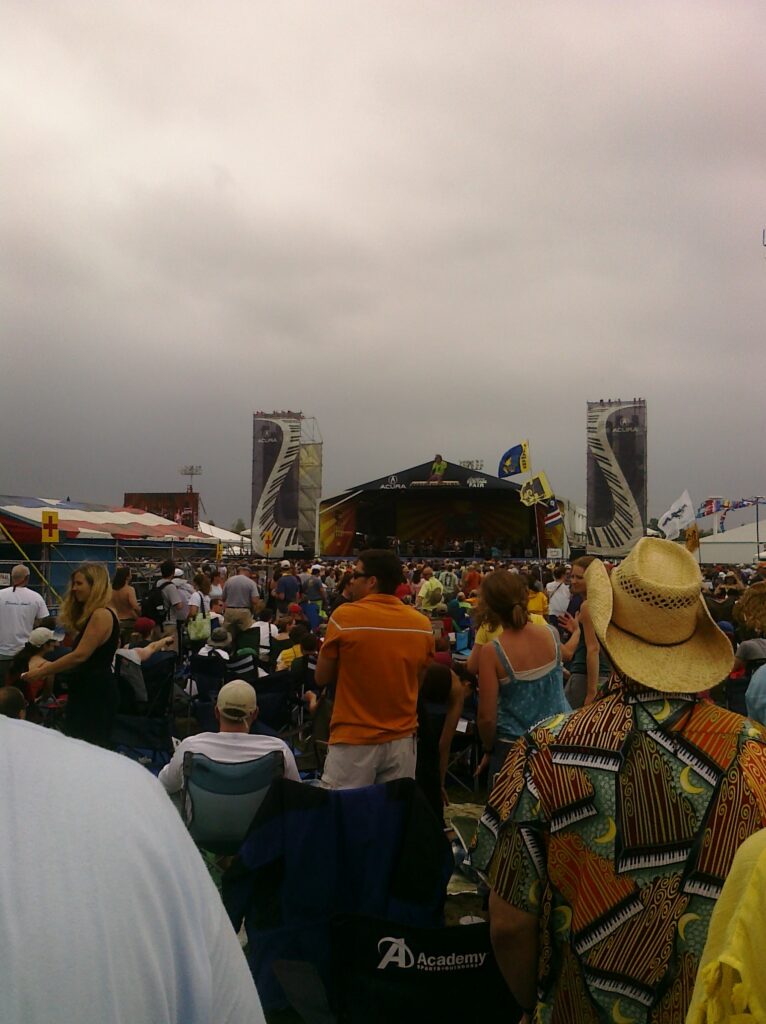
The festival’s own insurance is a different product
Festivals carry their own insurance, and it protects the organiser, not you. Event-side cover is property and liability coverage for the festival itself: injuries to attendees, vendor issues, and the legal exposure a multi-day crowd creates. It answers claims made against the event.
The numbers make the split concrete. K&K, a US specialist that writes festival insurance programmes, quotes minimum premiums of $2,500 for general liability and $5,000 for a package, and its eligibility rules include at least three years of festival management experience. That is a business insuring its own risks, at business prices.
Nothing in it reimburses an attendee for a trip that fell over.
So when you read that a festival is “fully insured”, do not translate that into cover for you. Your flights, your camping booking and your ticket are your exposure. The point is not that festivals go uninsured.
It is that their cover faces the event while yours faces you.
Why the medical side of the policy matters most
A festival ticket is capped at its price. A hospital bill is not. That is why the medical and evacuation lines deserve the closest read in any policy, and why claims here live or die on evidence: medical reports, receipts, and a clear account of what happened.
On-site first aid can handle a sprained ankle, but anything serious ends in a hospital, and the bill lands with whoever is responsible for it. Sorting the first aid essentials for festival attendance before you leave, and setting up your insurer’s claims process on arrival, saves a bad night from becoming a worse morning.
Two clauses decide how much of a medical claim a policy actually covers. The first is the emergency medical limit, the ceiling on treatment costs. The second is the evacuation clause, which might fund transport to the nearest adequate hospital while getting you home sits under a separate benefit with its own limit.
Read both before you need them, then read the pre-existing condition rules, which is where many medical claims stall.
Report early and keep every receipt, including small ones. Insurers settle on documentation, not memory, and a festival week produces plenty of both distraction and paperwork.
How to check a policy before you pay
Reading the wording before you pay is the cheapest step in the whole process, so start with the Product Disclosure Statement. It sets the actual terms of the contract, and the marketing page is not it. Then run through these checks.
- Covered reasons: find the list that governs cancellation, confirm prepaid event tickets are insurable, and check that your real risks appear on it.
- Excess: the amount you pay per claim before the insurer does. A low premium with a high excess can hand the practical value straight back.
- Pre-existing conditions: check how they are defined and what you must declare. Undeclared conditions are a common reason claims fail.
- Domestic trips: if the festival is in another Australian state, confirm the policy covers travel within the country and the conditions attached.
- Gadgets and gear: check per-item caps before assuming your phone is covered. Electronics often sit under a lower, separate limit.
- Activities: if the trip includes anything active beyond the festival, from surfing to hiking, check the activity list before you assume it is in.
- Flexibility upgrades: price cancel-for-any-reason cover against the cost of the ticket. If the upgrade costs more than the risk, skip it.
The best-value travel insurance for festivals is not the cheapest quote. It is the policy whose wording matches the trip in front of you. Comparison sites speed up the shortlist, but the reading is still yours, and the premium is the small number in the whole calculation.
What changes when the festival is overseas
The same cover categories apply overseas, but the numbers get bigger and the fine print matters more. Medical and evacuation limits carry more weight, and the destination itself affects what the policy needs to deliver.
Check whether your destination asks for proof of medical cover in its visa or entry process. Where that applies, the requirement sets a floor for the limit you need. Timing matters too: some add-ons must be bought early in the booking process, so sorting cover late can cost you options.
Gadget and baggage cover also earns its keep when your phone is holding tickets, boarding passes and your insurer’s app in one hand. Weather and transport behave differently a long way from home, and a missed connection to a once-a-year event is an expensive one, so look at how the policy treats delay as well as cancellation.
The logistics around an overseas event deserve their own pass, from booking windows to where you sleep. The international festival travel planning guide covers that side, so this policy check stays the simple part of the planning.
The bottom line
Cover for a festival works like cover for any other expensive, fixed-date trip. The policy pays for the events it defines, the definitions decide everything, and the cheapest way to learn them is to read the wording before you pay.
Buy the policy when you make the first payment, declare the full trip cost including the ticket, and keep written answers to the scenarios you genuinely worry about.
Two numbers are worth weighing together: the price of the ticket you cannot refund, and the size of the medical and cancellation limits on your shortlist. When those match up, most festival disputes shrink to a line in a spreadsheet. Before the premium, price the trip: start with the festival budget breakdown.
Frequently asked questions
Does travel insurance cover festival tickets?
Yes, under the trip cancellation and interruption benefits, provided the non-refundable ticket cost is declared in the trip value at quote time. The cancellation limit on the policy then needs to be at least as large as that declared cost.
What happens if the festival is cancelled or a headline act pulls out?
Do not assume cover either way: treatment of organiser cancellations and lineup changes varies by insurer, so it needs confirming in writing before you pay. Ask at quote stage, because a written answer is the only one that counts at claim time.
Can I claim if I pass my ticket on to someone else?
No. The policy is written around your trip, so the cover ends where your attendance ends, whatever the ticket does next. The event’s transfer rules are a separate test, and a resale that breaches them can leave both sides exposed.
Do I need travel insurance for a domestic festival?
It depends on the policy rather than the distance. Some insurers, such as Generali, frame event-ticket cover around trips more than 100 miles from home, so read the domestic travel section and any minimum distance rule before assuming a local festival is covered.
When should I buy travel insurance for a festival?
Buy it when the first non-refundable payment goes out, which for most people means ticket release day. Waiting buys nothing, because the flexible add-ons have short purchase windows and a policy has to be in place before the problem exists for a claim to work.
Image credits
- Photo: Myself248 / Wikimedia Commons, CC BY-SA 4.0. Source
- Photo: Editor5807 / Wikimedia Commons, Public domain. Source
- Photo: Marie Carianna / Wikimedia Commons, CC BY-SA 2.0. Source
- Photo: Tony Webster / Wikimedia Commons, CC BY-SA 2.0. Source
Works Cited
“How to Insure Travel Experiences: Concerts, Tours & Event Tickets.” Generali Global Assistance, Generali, n.d., www.generalitravelinsurance.com/travel-resources/insure-experiences.html. Accessed 14 Sept. 2026.
“Entertainment Trip Travel Insurance Plans.” Travel Guard, AIG, n.d., www.travelguard.com/travel-insurance/trip-types/entertainment-travel. Accessed 14 Sept. 2026.
“Festival Insurance.” K&K Insurance, K&K Insurance Group, n.d., www.kandkinsurance.com/programs/event-insurance/festival-insurance. Accessed 14 Sept. 2026.
“Guide to Travel Insurance For Festivals.” GoCompare, GoCompare Group, n.d., www.gocompare.com/travel-insurance/guide/insurance-for-festivals/. Accessed 14 Sept. 2026.