
The short answer
The festival calendar runs on the moon, not the office diary, so the dates move every year and one holiday reshapes the whole country for a fortnight. That reshuffle is either the reason to go or the reason to wait. This guide explains how the calendar works, which festivals reward a detour, how the north, centre and south differ in season and mood, and how to time a trip around the biggest celebration of all rather than accidentally landing in the middle of its logistics.
How Vietnam’s festival calendar works
Most traditional Vietnamese festivals follow the lunar calendar, so their dates shift by several weeks each year against the Gregorian calendar you use to book flights.
The lunar month runs shorter than the solar one, which is why a festival that fell in early February one year can land in the second half of January the next. Only a few dates never move: National Day on 2 September, Reunification Day on 30 April, and New Year’s Day on 1 January. Everything else, including the biggest holiday of the year, moves.
Public holidays cluster in the same windows each year. Tet anchors the first months. The Hùng Kings commemoration lands in April.
Reunification Day and Labour Day pair up at the end of April and start of May. National Day breaks September. TNK Travel’s festival guide makes the point that most celebrations blend indigenous beliefs, Buddhist practice and Confucian values built up over centuries, which is why full moons, harvests and the turn of the lunar year dominate the schedule.
That clustering has a practical consequence. A festival trip and a domestic holiday trip become the same booking problem, because transport and rooms fill in the same weeks. Pick the festival you want, find that year’s exact lunar date, then work backwards through flights and accommodation.
Tet festival travel: the honest version
Tet, the lunar new year, is Vietnam’s largest celebration and its largest travel disruption, and a good trip means planning for both.
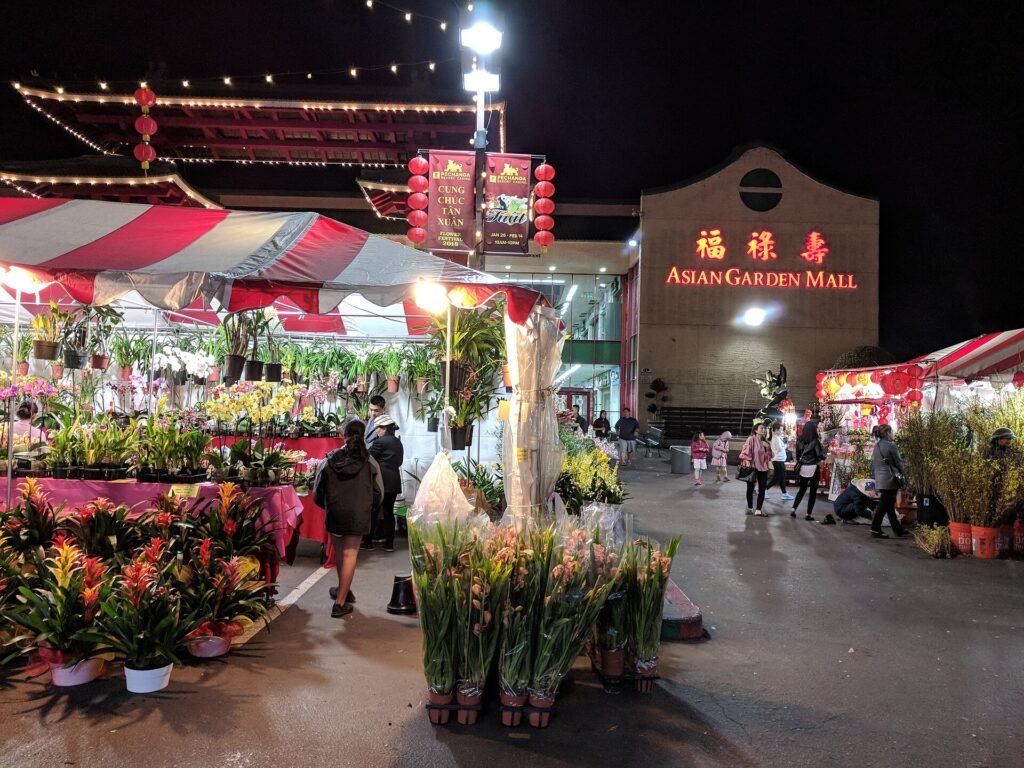
Tet begins on the first day of the first lunar month, which usually lands in January or February. The weeks before are almost as big as the holiday itself: homes are cleaned, new clothes are bought, and markets fill with peach blossom and kumquat branches, along with foods such as bánh chưng, the savoury sticky rice cake steamed in leaves.
Tet Eve is the most important day in the lunar calendar, with outdoor flower displays and midnight fireworks that visitors can join.
The honest part: much of Tet is family time behind closed doors. People travel back to their home towns, many businesses shut for days at a stretch, transport is crowded and sells out on the busy routes, and tourist sites get very busy. Intrepid Travel, which runs tours through the period, warns that transport, accommodation or the order of stops can change.
If your trip crosses Tet, book long-distance travel and rooms as early as you can, keep buffer days, expect some restaurants to be shut, and treat the public fireworks and flower displays as your festival anchor.
If this is your first festival trip of this size, read the International Festival Travel Planning Guide before you lock dates.
The main festivals, region by region
Vietnam is long and narrow, so the festivals you can realistically reach depend on where your trip starts. The north, centre and south each run their own seasonal anchors, and the lunar calendar stacks several of them close together.
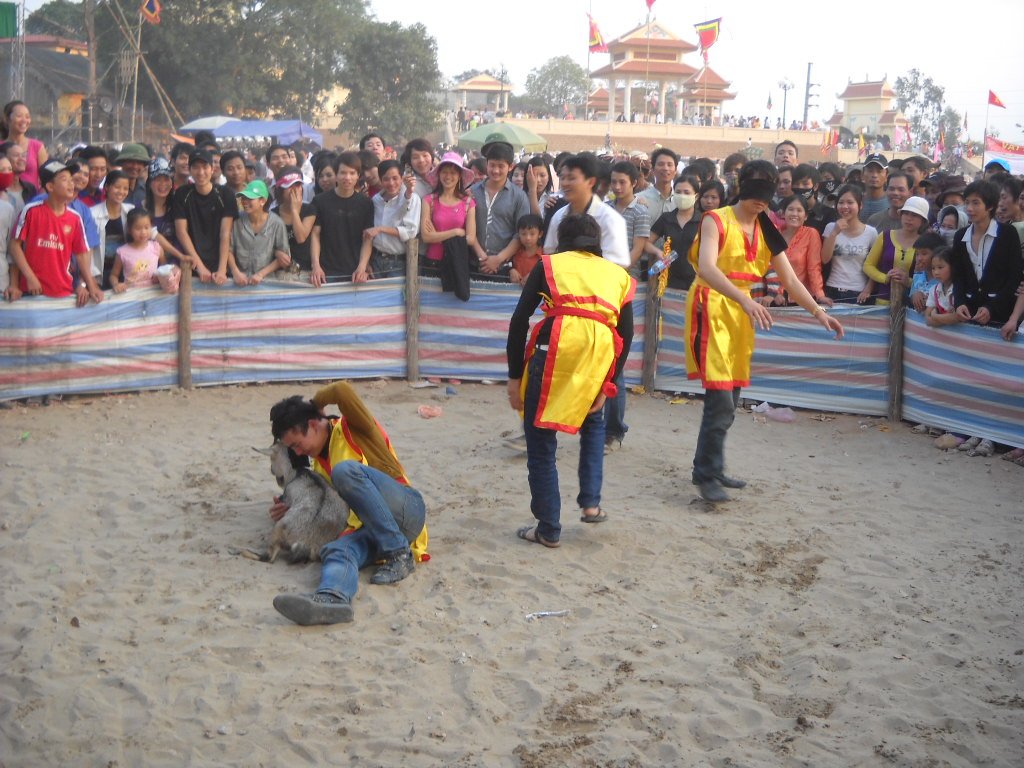
In the north, the Lim Festival is the standout of the lunar spring. It falls on the 12th or 13th day of the first lunar month, within a few weeks of Tet, in Bắc Ninh province in the Red River Delta. Its signature is quan họ folk singing: men and women in traditional dress serenade each other from dragon boats on the lake.
Later in spring, the Hùng Kings Temple Festival runs from the 8th to the 11th day of the third lunar month, usually April, honouring the legendary founders of the nation at Phú Thọ.
In the centre, the Huế Festival is the one to schedule months ahead. It runs for over a week from late April to early May, staged in and around the imperial citadel of the former royal capital, with performance, installation and craft programming that leans on the city’s court heritage.
The same city hosts the Huế Craft Village Festival, which folds traditional trades into the wider programme. On the coast, Đà Nẵng runs an international fireworks festival in summer, with teams competing over several nights, so check the official schedule for that year’s dates.
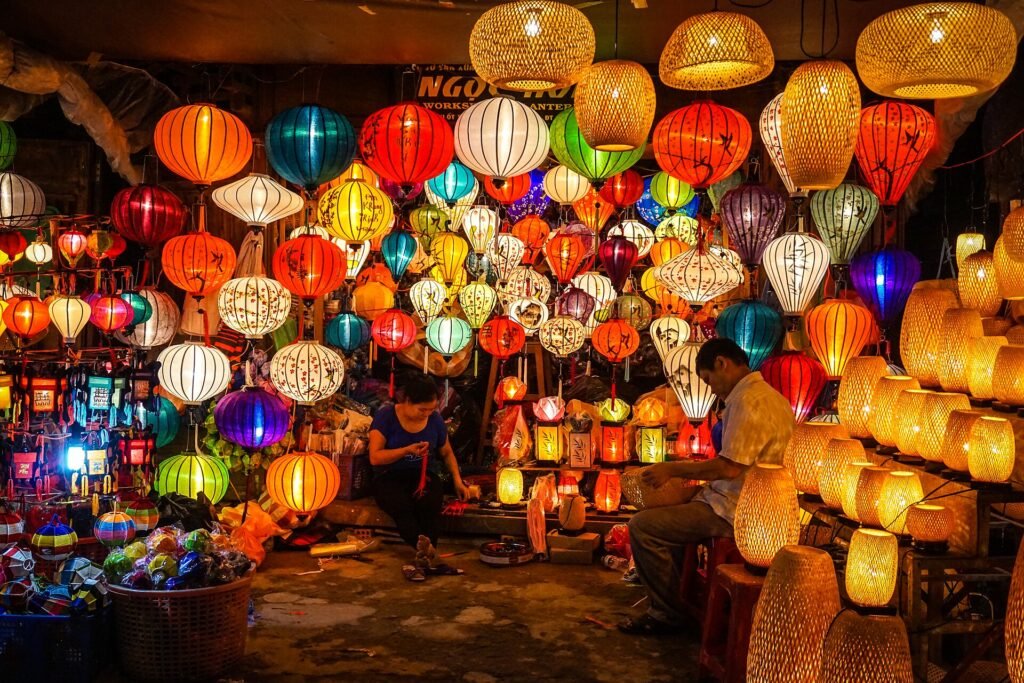
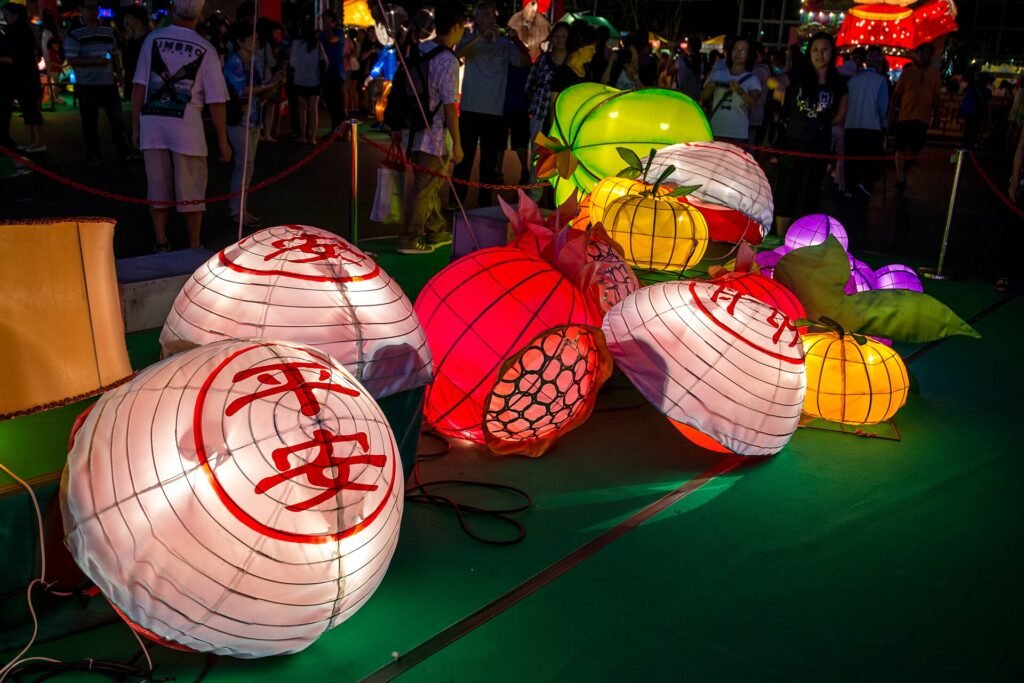
In the south, the two big bookends are Mid-Autumn and Oóc Om Bóc. Mid-Autumn falls on the 15th day of the 8th lunar month, usually September or early October, and reads more like a children’s festival than a temple event: lanterns in the streets, mooncakes in every shop, and evening performances in the parks.
Oóc Om Bóc follows on the 14th day of the 10th lunar month in the Mekong Delta, where the Khmer community marks the end of the harvest season with ceremonies and boat races. Between them sits the Ghost Festival, on the 15th day of the 7th lunar month, a day for honouring the dead at pagodas.
Treat that one as a religious occasion rather than a spectator show.
Vietnam festival calendar at a glance
Use this table to map the main festivals to their dates, the months they usually land in, and where to base yourself. The lunar dates are fixed by the calendar; the Gregorian windows are typical, so confirm the exact date for your travel year before booking.
| Festival | Date | Usually falls | Where to plan it |
|---|---|---|---|
| Tet, lunar new year | 1st day of the 1st lunar month | Late January or February | Nationwide |
| Lim Festival | 12th to 13th day of the 1st lunar month | February or March | Bắc Ninh, Red River Delta |
| Hùng Kings Temple Festival | 8th to 11th day of the 3rd lunar month | April | Phú Thọ, northern Vietnam |
| Huế Festival | Over a week, per organiser schedule | Late April to early May | Huế, central Vietnam |
| Ghost Festival | 15th day of the 7th lunar month | August or September | Nationwide, at pagodas |
| Mid-Autumn Festival | 15th day of the 8th lunar month | September or early October | Nationwide |
| National Day | 2 September | 2 September | Nationwide |
| Oóc Om Bóc | 14th day of the 10th lunar month | November | Mekong Delta |
The table is a starting point, not a booking sheet. Lunar dates drift by up to a month against the Gregorian calendar, and organisers of events such as the Huế Festival and Đà Nẵng’s fireworks competition set their own schedules, so verify each date on the official page before you pay a deposit.
Timing your trip: build it around Tet or avoid it?
Decide what you value more: full cultural immersion with harder logistics, or an easy travel week with a different festival slate. Both are valid; they just produce very different trips.
Around Tet you gain the biggest holiday in the country. Flower markets fill in the days before, fireworks light up Tet Eve, and the cities run on a slower, family-first rhythm. You also take on closures, sold-out transport and strong demand for the rooms that stay open.
The days right after Tet are a middle path: the holiday mood lingers, the spring festival season starts, and the Lim Festival lands within a few weeks.
If you skip Tet, the two windows that usually suit a festival-first trip best are late winter into spring, from late February to April, and autumn, from October to November. Both avoid the holiday crunch, and both line up with major events: the Hùng Kings festival and the Huế Festival in spring, National Day, Mid-Autumn and Oóc Om Bóc in the autumn stretch.
Climate complicates the calendar, because the country spans several climate zones. The north has four seasons, and Tet falls in its cool, sometimes damp winter, so pack layers for Hanoi in January and February, while May to September runs hot and wet.
The centre runs on its own pattern, with the heaviest rain and storm risk late in the year, which is part of why the spring Huế Festival window is the easier one to plan around. The south stays warm year round, with a wet season that generally runs from May to October and drier months from December to April.
A trip that covers two regions can therefore hit two weather systems, so match your packing to the region, not the country.
Once the dates are firm, Day-by-Day Festival Itinerary Planning keeps the trip from turning into a list of maybes.
Costs, transport and accommodation
Budget more for the Tet window and the public holiday weekends than for ordinary weeks, because the premium sits in transport and rooms rather than food.
Distance is the main cost driver. Vietnam runs a long way north to south, and most routes from Australia land at Hanoi or Ho Chi Minh City. Covering both ends in one trip means domestic flights or the north-south railway, and both sell out early around Tet as people travel home in large numbers.
Book the long legs first, then fill in the shorter hops around them.
Accommodation needs the same early move. Work through Festival Accommodations Compared before you commit, because the range of what stays open narrows in holiday weeks and the remaining rooms carry a holiday premium. Keep a cash buffer for the days when more places than usual are shut, and book airport transfers ahead for the holiday weekends so you are not negotiating a ride at midnight.
Entry rules are worth checking early too. Vietnam’s official tourism site lists 45-day visa-free entry for travellers from 24 countries and a 90-day e-visa open to all nationalities, so confirm which one applies to your passport, and how long the processing takes, before you book flights. Visit Vietnam.travel for the current list rather than relying on an old blog post.
Festival etiquette and practical tips
At Vietnamese festivals you are a guest in someone’s religious or family tradition, so the safe defaults are modest clothing, asking before you photograph people, and never touching an altar or an offering without an invitation.
Shoes come off at temple thresholds, and shoulders and knees are best covered at pagodas even when locals are dressed lightly. Photography is usually welcome at street events, parades and boat races, but not during prayers or rites: if a ceremony is under way, watch from the edge and keep your voice down.
At Tet, the red envelope custom, lì xì, is a gift exchanged between family members and close colleagues, so you do not need to take part, though a friendly greeting lands well. For the general rules that travel across countries, Cultural Festival Etiquette Around the World covers the cases this guide does not.
Start with the dates, then the money
Two decisions carry the whole trip: whether you travel around Tet, and how long you can stay. Lock those, choose one anchor festival, then build transport and rooms behind it. The plan holds together once the numbers do.
Ready to work out what the whole trip costs? Start with Travel Budget Planning: Tips & Tools.
Frequently asked questions
When is the best time of year for Vietnam festival travel?
April is the strongest single month: the Hùng Kings festival and the Huế Festival window both land there. September to November is the other good stretch, covering National Day, Mid-Autumn and Oóc Om Bóc.
Exact dates shift with the lunar calendar, so confirm the year you are travelling.
Is Tet a good time to visit Vietnam?
Only if you plan months ahead and accept that much of the country shuts down. You get flower markets, Tet Eve fireworks and a real holiday mood, but many shops and restaurants close and transport fills early.
The weeks either side of Tet are the easier compromise.
Can I reach several festivals on one trip?
Yes, if you group by region instead of chasing the whole country. Lim and the Hùng Kings festival sit in the north, Huế and Đà Nẵng pair naturally in the centre, and Mid-Autumn and Oóc Om Bóc both fall in the south.
Two regions make a comfortable trip.
What should I book first for a Tet trip?
Long-distance transport: flights, trains and sleeper buses are the first things to sell out as people travel home, and the hardest to replace at short notice. Rooms come next, then internal transfers.
Tours and attraction tickets can wait.
Do I need to speak Vietnamese to enjoy the festivals?
No. The big public festivals are visual and easy to follow: fireworks, boat races, lantern streets and processions. Where the language helps is at temple ceremonies, which are quieter and full of small rituals, so a guide or a translated programme pays off there.
Image credits
- Photo: DHN / Wikimedia Commons, CC BY-SA 4.0. Source
- Photo: Nguyễn Đông Sơn at Vietnamese Wikipedia / Wikimedia Commons, CC BY-SA 3.0. Source
- Photo: katiebordner / Wikimedia Commons, CC BY 2.0. Source
- Photo: doctorho / Wikimedia Commons, CC BY-SA 2.0. Source
Works Cited
Intrepid Travel. “Festivals in Vietnam.” Intrepid Travel, https://www.intrepidtravel.com/us/vietnam/what-festivals-are-celebrated-vietnam.
Accessed 14 Sept. 2026.
Lê, Uyên. “Vietnam’s Festivals and Holidays Guide.” TNK Travel, 10 Sept. 2026, https://www.tnktravel.com/blogs/vietnams-festivals-and-holidays-guide/.
Vietnam National Authority of Tourism. “Visit Vietnam: The Official Tourism Website of Vietnam.” Vietnam.travel, https://vietnam.travel/.
Accessed 14 Sept. 2026.