
The short answer
The best time to visit depends on where you are going and what you want from the trip. The cool, dry window that runs from late November into February suits most first visits, with lower humidity and comfortable beach days on both coasts. From March the heat builds until the first heavy rains arrive, and the southwest monsoon then carries through the middle of the year. The eastern gulf islands follow a different calendar to the western coast, so the month that works for one side of the peninsula can be the wrong one for the other. This guide breaks the year down month by month.
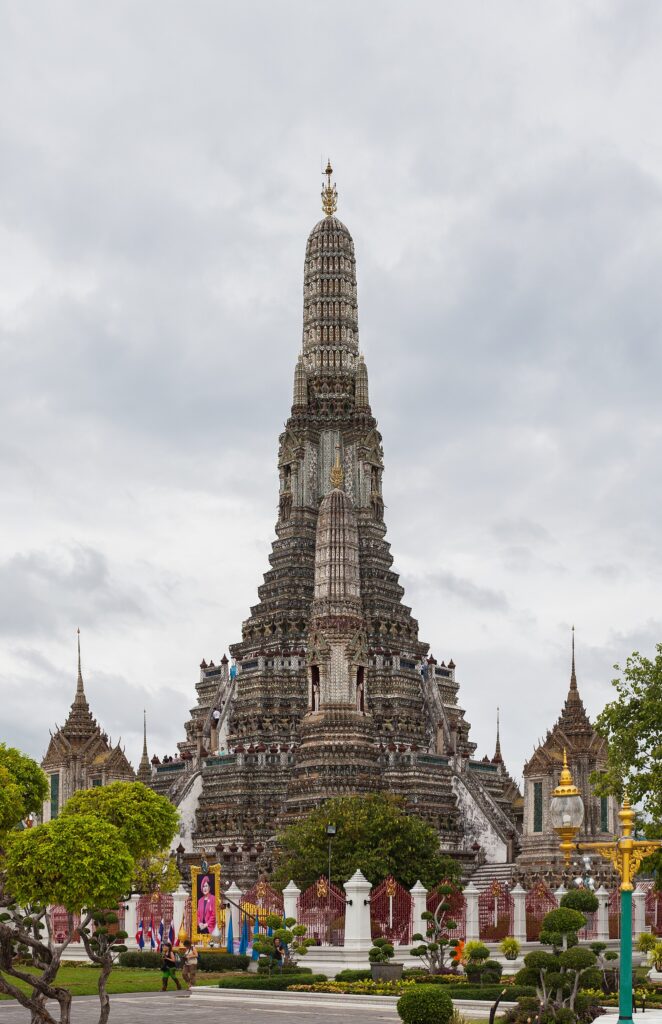
What is the best time to visit Thailand?
For most trips, the best time to visit Thailand is the cool, dry season that runs from November to February. The air dries out across most of the country and daytime temperatures sit around 29°C to 35°C, according to Enchanting Travels, which suits city days in Bangkok and beach days on the Andaman coast.
That window is not the whole answer. The country runs on three rough seasons: a cool, dry winter from November to February, a hot season from March to May, and a wet season that begins in May or June and tapers off in October. The heat peaks in the north just before the rains, where Intrepid Travel reports highs nearing 40°C.
Where you are going matters as much as when. The right month for Phuket is not the right month for Koh Samui, because the two coasts catch the monsoon at different times, a point Condé Nast Traveler makes in its own seasonal guide. If your route is still open, Discover Thailand’s Must-See Destinations Now maps the classic stops worth building dates around.
Thailand month by month: the quick comparison
January and February give the driest, most comfortable weather of the year, April is the hottest, and the monsoon months from June to September give the lowest prices and the fewest crowds.
The table compares all twelve months at a glance. The crowd and price columns follow the standard pattern found in the sources listed at the end: the cool, dry months carry peak demand, and the wettest months carry the deepest discounts.
| Month | Weather | Crowds | Prices |
|---|---|---|---|
| January | Cool and dry nationwide | Peak, heaviest around New Year | Highest |
| February | Dry and warm, building late in the month | High, easing after mid-month | High |
| March | Hot season begins, humidity climbing | Medium | Medium, falling |
| April | Hottest month; Songkran on 13 to 15 April | Medium, then a spike for Songkran | Medium, spike for the holiday |
| May | First heavy showers, still hot | Low | Low |
| June | Wet season settles in, rain in bursts | Low | Lowest |
| July | Warm and wet in bursts | Low | Low |
| August | Wet on the Andaman side; Gulf islands in their dry window | Low | Low |
| September | Rain at its steadiest | Lowest | Lowest |
| October | Rain eases late in the month | Low, rising at month end | Low, rising |
| November | Dry season returns, cool nights in the north | Rising quickly | Medium to high |
| December | Cool and dry; Gulf islands wetter | Peak, Christmas and New Year busiest | Highest |
Use the table as a first filter, then read the month notes below for what each stretch actually feels like on the ground.
November to February: the cool and dry window
This is the stretch most people mean when they say Thailand’s best time to visit. The rain has passed, humidity drops, and temperatures stay warm without the bite of the hot season. The one exception is the Gulf islands, which run on a later monsoon and sit outside this window.
November
November is the turning point of the year. The rain backs off through the first half of the month, and by the end you get dry-season skies without peak-season prices. Chiang Mai cools down in the evenings, which is why the north fills up late in the month rather than in January.
Loy Krathong, the lantern and floating-decoration festival, is typically held in November; confirm the exact date on the official site before you plan a trip around it.

December
December delivers the most reliable weather of the year and the highest prices. The Christmas and New Year weeks are the busiest of the Thai calendar, and they overlap the Australian summer school holidays, so flights and rooms sell out early.
The Gulf islands are the exception to the month’s reputation: their dry window is April to September, so factor that in if Koh Samui and Koh Phangan are on your list.
January
January is the safest month for a first visit. Bangkok and the north get cool, dry days, the Andaman coast gets calm water, and the islands stay warm without being punishing. The first week is still crowded with holiday travellers, then things quieten from about the second week, which makes mid to late January a strong balance of weather and crowds.
February
February repeats January’s weather with fewer people and softer prices. Days stay dry and warm, humidity is still low, and the crowds thin out after the middle of the month. If you want peak conditions without peak crowds, aim for the second half.
The north starts warming noticeably by the last week.
March to May: the hot season
March to May is Thailand’s hot season, and it is genuinely hot: the north approaches 40°C before the rains arrive, and humidity makes city afternoons heavy. The coasts remain swimmable, the crowds are gone, and prices soften, so the season works if you plan around the middle of the day.
March
March marks the handover from comfortable to hot. Humidity climbs, afternoons get sticky, and northern cities such as Chiang Mai push towards their yearly highs. The upside is value: crowds fall after February and hotel rates follow them down.
Plan outdoor sights for early morning and treat midday as downtime.
April
April is the hottest month of the year and the busiest on the festival calendar. Songkran, the water festival that marks the Thai New Year, runs on 13 to 15 April every year, so the dates never move. Domestic travel spikes around the holiday and some businesses close for a few days.
If the water fights are the point of the trip, Water Festivals Around the World explains how Songkran compares with similar celebrations elsewhere, and if Bangkok is your base, Uncover Bangkok’s Ideal Stays and Hotspots sorts the neighbourhoods by budget.

May
May splits the difference between seasons. It is still hot, the first heavy showers arrive, and rates fall as demand drops. Sources disagree on whether the wet season starts in May or June, so treat early May as a gamble and late May as the start of green season, with short downpours and long dry gaps between them.
June to October: the southwest monsoon
From June to October the southwest monsoon works across the Andaman coast and most of the country, with rain arriving in heavy bursts rather than as steady all-day drizzle. This is low season on the west coast: the fewest visitors of the year, the cheapest rooms, and the greenest countryside.
Build in flexibility, keep outdoor plans for the mornings, and the monsoon months pay you back in savings.
June
June is where the wet season properly settles in. Rain usually lands in intense but short bursts, so a wet day often still has long dry windows, and room rates are among the lowest of the year. The upside for photographers and walkers is the landscape at its greenest.
July
July keeps the same rhythm: warm, humid, and wet in bursts with plenty of dry hours between. It is peak summer holiday season for European travellers, although Thailand’s own low season still holds rates down. If your dates are fixed in July, head for the Gulf islands rather than the Andaman coast.
August
August is deep in the wet season on the Andaman side and inside the Gulf islands’ dry window at the same time. That split is the single most useful thing to know about this month: pick Koh Samui or Koh Phangan and your odds of beach weather improve a lot, while Phuket and Krabi roll the dice.
September
September sits at the tail of the monsoon, with the fewest visitors of the year and the best hotel value. Expect heavy rain at times and quiet roads, temples and restaurants. If your budget sets the dates rather than your calendar, this is where the savings are deepest.
October
October starts wet and ends dry. The rain eases through the month, the north dries out first, and by late October the new season’s weather is arriving. Crowds stay low until the final week, when early-season travellers begin to land, so the first half of the month is the quiet bargain.
Gulf coast vs Andaman coast: why the two coasts peak at different times
Thailand has two monsoon patterns, not one. The southwest monsoon soaks the Andaman coast from around May to October, while the Gulf coast’s wettest months land later in the year, which is why Intrepid Travel rates the Gulf’s best window as April to September.
The split matters most in the middle months. In July and August the Gulf islands are the safer pick. By December and January the pattern reverses: the Andaman side is at its calmest, with Phuket, Krabi, Koh Phi Phi and Koh Lanta all enjoying dry days, while the Gulf islands are in their wetter stretch.
Koh Samui is the anchor of the Gulf side, and Koh Samui: Unforgettable Nature, Culture, and Adventure covers what to do there. Koh Phangan, its neighbour, hosts the Full Moon Party around each full moon; the dates are typically held monthly, so confirm the schedule on the official site if you want to time a trip around one.
Rough seas matter on the Andaman side in the monsoon months, so build slack into island transfers when the west coast is wet.

Crowds, prices and booking windows
Peak demand lands between mid-December and February, when the year’s best weather meets the Christmas holidays, and the monsoon months from June to September carry the lowest rates and the lightest bookings.
The Christmas and New Year fortnight is the most expensive window of the year. It is also when Australian families travel most, so departures from Sydney and Melbourne sell out before the rest of the season, and hotels price accordingly.
February is the sweet spot for weather, and availability improves after the middle of the month even though rates stay firm. From March, prices fall steadily into the green season, and the rain is effectively what you are being paid to tolerate. Rain typically arrives in bursts, which leaves usable dry gaps most days.
Songkran week in April is the one moment when low season briefly flips. Domestic travel spikes, transport fills, and hotels in festival towns raise weekend rates. Book that week early or route around it.
How to pick your month: a short checklist
Start with the coast, then the season, then the festival calendar, in that order.
- First trip, maximum convenience: mid-November to February for the north and the Andaman coast at their best.
- Andaman beaches (Phuket, Krabi, Koh Phi Phi): November to March.
- Gulf islands (Koh Samui, Koh Phangan, Koh Tao): April to September.
- Chiang Mai and the north: November to February for cool, dry days, or March to May for heat and lower prices.
- Festival trip: Songkran in April or the lantern season around November; confirm dates on the official sites.
- Lowest budget, rain accepted: June to September.
The bottom line
For most people, the best time to visit Thailand is the cool, dry stretch from November to February, but the coasts decide the details. If your dates sit in the middle of the year, pick the Gulf; if they sit in the cool months, the Andaman coast delivers the calm water.
Either way, the next step is turning your dates into a number: start with Travel Budget Planning: Tips & Tools.
Frequently asked questions
What is the cheapest month to visit Thailand?
The monsoon months from June to September carry the lowest prices, because demand drops when the rain arrives. You still get dry windows between the bursts, so you trade a little flexibility for the biggest discounts of the year.
Is Thailand worth visiting during the rainy season?
Yes, if you plan around short, intense showers rather than steady rain, which is how the monsoon usually behaves. You get green scenery, smaller crowds and the lowest rates of the year, and the Gulf islands are the safer pick between June and September.
Which coast should I choose in July?
The Gulf coast, because its dry window runs from April to September. That makes Koh Samui and Koh Phangan the safer bet for beach days, while Phuket and Krabi sit deep in the southwest monsoon.
When is Songkran?
Songkran runs from 13 to 15 April every year, so the dates never move, though some cities extend the water play by a few days. If your trip overlaps it, book buses, trains and flights early, because domestic travel spikes.
Should I book early for a December trip?
Yes. The Christmas and New Year weeks are the busiest of the Thai year and they overlap the Australian summer school holidays, so flights and rooms sell out first.
Lock in the last two weeks of December several months ahead.
Image credits
- Photo: Diego Delso / Wikimedia Commons, CC BY-SA 3.0. Source
- Photo: CEphoto, Uwe Aranas / Wikimedia Commons, CC BY-SA 4.0. Source
- Photo: Vyacheslav Argenberg / Wikimedia Commons, CC BY 4.0. Source
- Photo: Vyacheslav Argenberg / Wikimedia Commons, CC BY 4.0. Source
Works Cited
“Best Time to Visit Thailand | Climate Guide & Travel Tips.” Enchanting Travels, enchantingtravels.com/destinations/asia/thailand/best-time-to-visit-thailand/. Accessed 14 Sept. 2026.
“Best Time to Visit Thailand.” Intrepid Travel, intrepidtravel.com/us/thailand/best-time-to-visit-thailand. Accessed 14 Sept. 2026.
“The Best Time to Visit Thailand for Less Rain and Fewer Crowds.” Condé Nast Traveler, cntraveler.com/story/best-time-to-visit-thailand. Accessed 14 Sept. 2026.