
The short answer
Festival travel packages bundle the moving parts of an event trip into a single booking. This guide covers what those packages usually include, what they cost for travellers leaving from Australia, and how to tell a fair price from padding. It also looks at coach and group transport, the practical option many festivalgoers overlook, and lists the questions worth asking before you pay a deposit.

Packaged travel versus booking it yourself: when each wins
A package wins when supply is tight: sellout weekends, remote sites, and international events where tickets, beds and transport all dry up at the same time. Booking it yourself wins when your dates are flexible, when the event sits in a city you can reach cheaply, or when you are staying with friends.
The pattern is easiest to read on an Australian calendar. A capital-city festival you can reach by train and sleep at home for needs nothing but a ticket. A three-day event four hours from the nearest town needs a bed, a way in and a way out.
Those three things, bought together, are exactly what a package sells.
Marketplaces such as TourRadar list more than 250 festival and event departures. That volume is useful when you want to see how operators structure trips and what they charge per day. It is also a warning: at that scale, plenty of “packages” are a hotel booking with a transfer attached, sold at a premium.
Price the parts before you price the bundle.
There is a middle path most people miss. Package only the hard part, usually accommodation or the coach, then book flights and tickets yourself. You keep flexibility where it is cheap and buy certainty where it is scarce.
If you are still deciding between a bundle and a self-built trip, start with the festival travel hub before you compare quotes.
What festival travel packages cost from Australia
Prices sit in bands, from a day coach seat to an international package. They scale with distance, whether the event ticket is included, and how far the site sits from the nearest town.
| Trip type | What you are usually paying for | Indicative cost per person (AUD) |
|---|---|---|
| Day return coach, event 1 to 3 hours from a city | Return coach seat and event drop-off | $60 to $180 |
| Domestic festival package, 2 to 4 nights | Accommodation near the site, transfers, sometimes a ticket | $700 to $2,500 |
| Finals, motorsport or food festival package | Hotel nights and event access, priced per person | $1,000 to $4,500 |
| International festival package | Flights, hotel, event ticket, transfers | $3,000 to $6,500 |
| Private group coach charter | 40 to 50 seat coach and driver for one day | $1,200 to $2,200 per day, split across the group |
The ranges above are indicative planning estimates, not quotes. Use them as a sanity check, then compare any quote against a trip you build yourself.
Ticket inclusion is the biggest price swing. A package with a hard-to-get ticket is worth more than one that leaves ticketing to you, and it should be priced that way. Timing is the second swing.
Event weekends, finals weeks and school holidays push hotel rates up before operators even set package prices.
Real listings show where the bands land. Perth-based agency Festival Travel lists a four-night Pair’d Festival Margaret River package from AUD$1,150 per person, and a two-night AFL Grand Final package in Melbourne from AUD$4,390 per person, on its Australia packages page at the time of writing. Notice the gap.
Same country, similar format, and the difference is the event’s pull on hotels and flights.
Watch three quiet multipliers: a solo traveller supplement, transfers charged as an extra, and a “per package” rate that assumes two people sharing. Ask for the per-person total before you compare anything.
What a good package includes, and what is padding
A fair package covers what you cannot easily buy on the day: guaranteed accommodation, a confirmed way in and out of the site, and clear terms in writing. Padding is anything vague, duplicated, or priced above what you would pay on your own.
What belongs in the price:
- Accommodation with a stated distance to the site
- Transport with set departure points and times, not “local transfers”
- Event tickets, when included, named by tier
- Cancellation and change terms in writing, before payment
- A contact who answers during the trip
What often pads the price:
- Merchandise bundles priced above retail
- “Exclusive” add-ons worth less than their line item
- “Priority entry” that is really the standard entry time
- Accommodation described only as “near the festival”
- A headline rate per package that hides extra per-person charges
Judge operators by how they answer two questions: what exactly is included, and what exactly happens if plans change. An operator who answers both in writing is usually the one worth booking. One who deflects is telling you something useful.
For a sense of the detail worth demanding, Road Scholar’s festival programmes state that attendance at all three days of the festival is included, and spell out five nights of accommodation, as its festival tours page shows. It appears here as an example found in search results, not a recommendation.
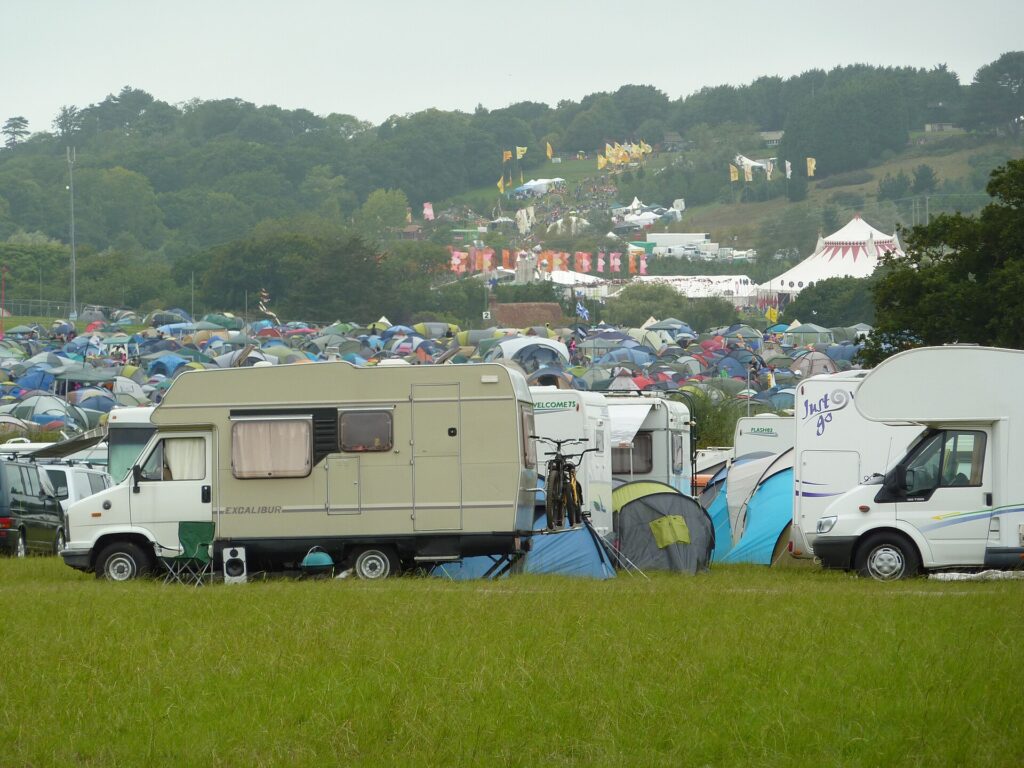
Coach and group transport for festivals
A coach removes the two worst parts of an Australian festival trip: parking at a remote site, and the long drive home after a late finish. It also spreads the cost across every seat on the bus, which is why group transport gets cheaper as the group grows.
Three formats cover almost every situation. Organised festival coaches run from capital-city pickup points to the event gate. Festival shuttle services link the nearest town to the site, so you can park once and ride.
Private charter hires the whole coach, on a route your group sets.
The economics favour full buses. A 40 to 50 seat coach chartered for the day costs roughly AUD$1,200 to $2,200, so a full load works out cheaply per person, while a half-empty one is the worst deal in this article. Check the seat maths before calling any coach option expensive.
Timing matters more than price here. Big festivals move accommodation and coach seats first, and charter availability shrinks fastest of all. Enquire as soon as the event dates are confirmed, not when the lineup drops.
Two practical notes. First, find official shuttle and coach services on the event’s own transport page, and treat unofficial pickup points with suspicion. Second, a coach leaves when the driver leaves.
If the return leg runs on a single departure, you are committing to it, so confirm what happens to anyone who wants to leave early.
If the event is in Western Australia, match your base to the route before you book transport. Our guide to festivals in Perth is the place to start.
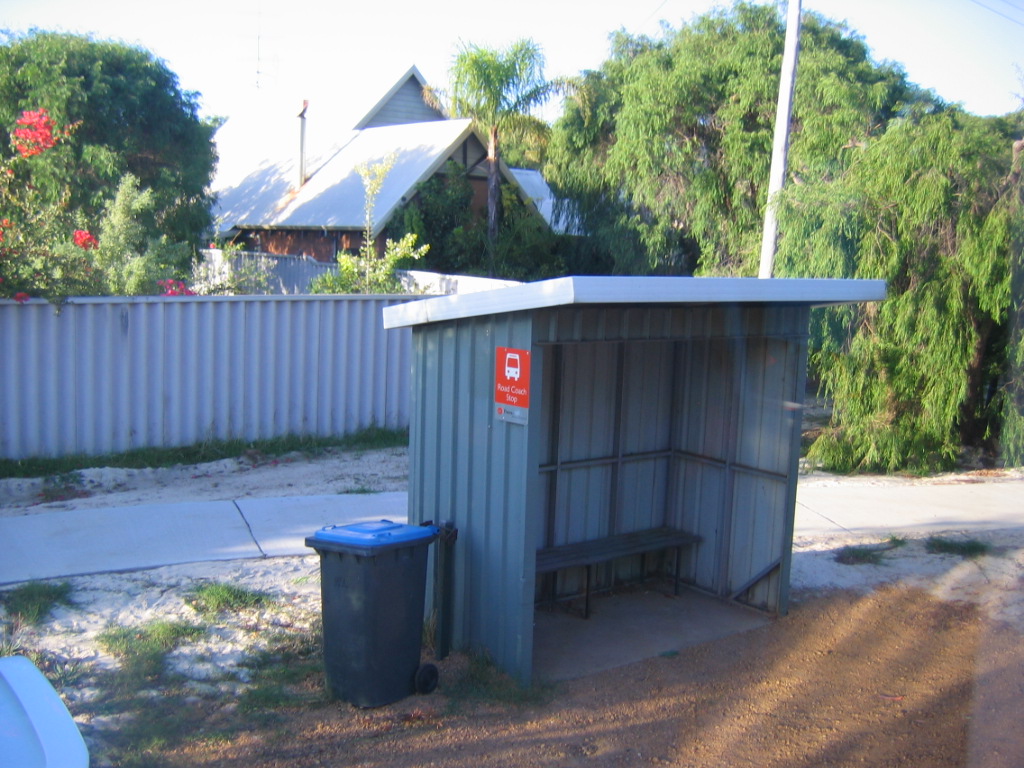
Six questions to ask before you pay a deposit
Almost every package dispute traces back to a question nobody asked, so run this list before any money moves.
- Is the event ticket included, and at which tier?
- What exactly is the accommodation, and how far is it from the site?
- What transport is included: door to door, or a fixed pickup point and time?
- What happens if the event is cancelled or you cannot travel? Refund, credit, or nothing?
- Is the price per person or per room, and does a solo traveller pay a supplement?
- Who do you call during the trip when something goes wrong?
If an operator cannot answer all six in writing, the package is not ready for your money.
Frequently asked questions
Are festival travel packages cheaper than booking it yourself?
Not automatically. They beat DIY on sellout weekends, when operators block hotel rooms and coach seats at group rates. They rarely beat DIY for city events you can reach cheaply.
Compare per person, never headline to headline.
Do festival travel packages include the event ticket?
Sometimes, so confirm the tier in writing. Many packages cover accommodation and transport only, and leave ticketing to you. That is fine when it is clear.
Can I book a coach just for my group?
Yes. Private charters suit groups of roughly 20 to 50, are priced per day, and split across every seat. Enquire months ahead for big festivals, and confirm the return schedule before you pay.
Which festivals are worth building a package around?
The ones where beds and tickets are genuinely scarce. Our guide to the best festivals in Australia in 2026 is the fastest way to shortlist one.
When is the best time to book?
As soon as event dates are confirmed. Package inventory is capped by hotel blocks and coach seats, so waiting rarely brings a better price. It usually just removes options.
Turn the event into a plan
The method matters more than the operator. Pick the event, price three versions of the trip (full package, part package, full DIY), and compare them per person with the six questions answered in writing. Then choose.
Ready to work out what the whole trip costs? Start with the festival budget breakdown before you compare quotes.
Image credits
- Future Music Festival 2013 (8541725920).jpg. Eva Rinaldi. CC BY-SA 2.0. Via Wikimedia Commons. https://commons.wikimedia.org/wiki/File:Future_Music_Festival_2013_(8541725920).jpg
- Bestival 2010 campsite 2.jpg. Nathan. CC BY-SA 2.0. Via Wikimedia Commons. https://commons.wikimedia.org/wiki/File:Bestival_2010_campsite_2.jpg
- OIC busselton abbey road coach stop.jpg. Orderinchaos. CC BY-SA 3.0. Via Wikimedia Commons. https://commons.wikimedia.org/wiki/File:OIC_busselton_abbey_road_coach_stop.jpg
Works Cited
“Australia.” Festival Travel, festivaltravel.com.au/australia-2/. Accessed 14 Sept. 2026.
“Festival & Event Packages.” TourRadar, www.tourradar.com/f/festivals-and-events. Accessed 14 Sept. 2026.
“Programs for Festival Lovers.” Road Scholar, www.roadscholar.org/browse-collections/festivals/. Accessed 14 Sept. 2026.