
The short answer
Festival budget planning means working out the full cost of the trip before you commit, not just the price of the ticket. It covers how you get there, where you sleep, what you eat and drink, the gear you have to buy, and a buffer for the things nobody warns you about. Do it properly and you book with confidence instead of hoping your card holds out. Skip it and the festival becomes a debt you carry into the new year. This guide shows you the categories, the real published numbers, and the order to work through them.
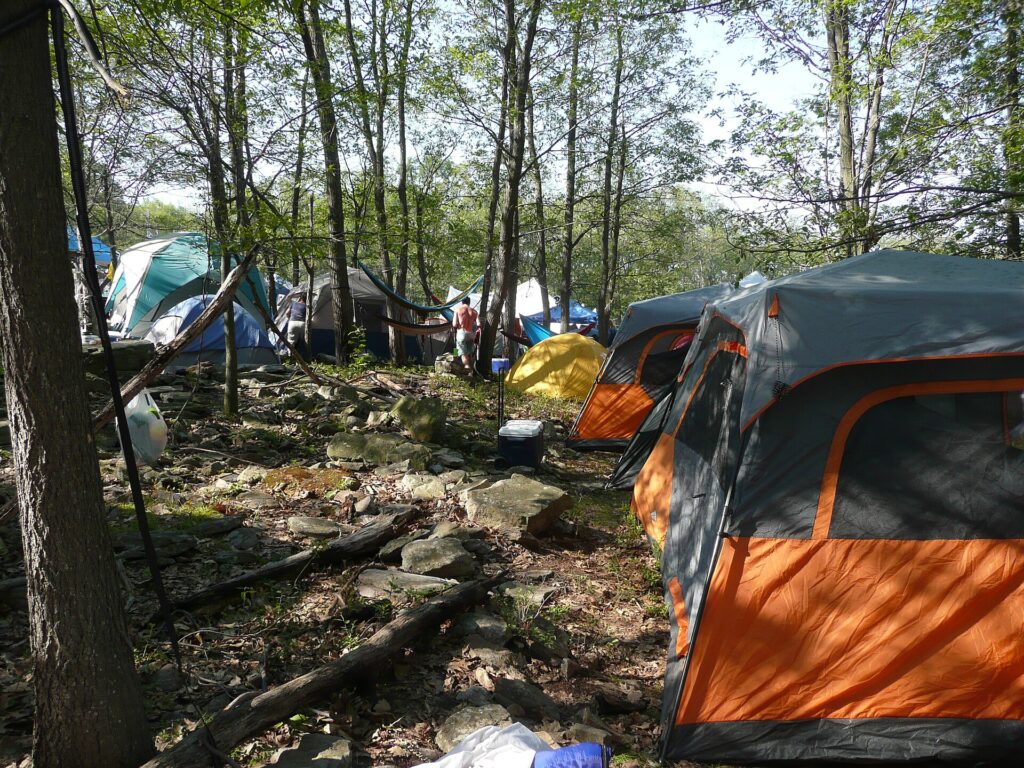
What festival budget planning actually involves
Festival budget planning is the work of pricing the whole trip before you commit to any part of it.
Most budget advice online is written for organisers running events, not for the people buying tickets. That is the wrong manual for you. Your categories are simpler: transport, shelter, food and drink, gear, and on-site spending.
Every one of them can be estimated before you pay a deposit on anything.
Pricing is almost always tiered, which is the first thing to understand. The same wristband can cost three different amounts depending on when you buy it. The travel glossary keeps the ticket and travel vocabulary in one place if any of those words are new.
The goal is not the cheapest possible weekend. It is a trip with no surprises, funded on purpose. A festival you can afford is a better festival than one you are still paying off in March.
What a festival ticket really costs
Your ticket is the biggest single line, and when you buy it matters as much as which type you choose.
Woodford Folk Festival, in Woodford, Queensland, runs from December 27, 2026 to January 1, 2027, and it publishes every tier on its ticket prices page. Adults have four paths through the same six days:
| Woodford Folk Festival 2026/27, adult | Presale (to 24 December) | At the gate |
|---|---|---|
| Day ticket | $145 | $160 |
| Day ticket with camping | $190 | $205 |
| Season ticket, all six days | $560 | $616 |
| Season ticket with camping | $710 | $766 |
Prices are in Australian dollars and exclude booking fees. Waiting never wins: even the mid-festival online tier sits between presale and gate, at $197 for the day pass with camping and $738 for the season pass with camping. The cheapest season allocations are already exhausted for this edition, so the presale tier is the sensible target.
City festivals have a different cost shape. WOMADelaide, held in Adelaide’s Botanic Park each March, sold four-day adult passes for $475 for the 2026 edition, with single days at $180 for the Friday and $240 from Saturday to Monday, all before service fees. There is no camping on site, so accommodation becomes your second-biggest line instead of an add-on.
Families scale differently. Toddlers under six enter Woodford free, and children aged 6 to 12 pay $55 for a day with camping.
Across the industry, per-attendee costs keep climbing. EventMobi reports that 71 per cent of planners expected per-attendee costs to rise in 2026, and tickets carry that load first. If the allocation you want sells out, our guide to festival ticket buying strategies covers waitlists and resale rules.
The other big costs: travel, sleeping, food and gear
Once the ticket is paid, four categories decide your final number: getting there, sleeping, food and drink, and gear.
Travel is usually the second-biggest line for camping festivals. Fuel, a car pass, and a car full of people splitting the cost is often cheaper than flying. A city festival flips that, with airfares or a long drive plus local transport to the gates.
Work through the realistic options in our guide to festival transportation options before you commit. If you are travelling with others, the split changes the maths on every line, from fuel to the grocery run.
Sleeping looks free when it is bundled and never is when it is not. Camping comes with Woodford’s camping tickets, but the comfortable options sell out early: glamping tents for the 2026/27 edition are already gone. Arriving early to claim a good spot costs extra too, with Christmas campsite add-ons of $125 or $155 depending on your arrival time.
Food and drink is where budgets quietly leak. Vendor meals, coffees and drinks land several times a day. If the festival allows bringing food to your campsite, self-catering breakfast and lunch is the single biggest saver of the weekend.
If you cannot cook on site, price three vendor meals a day and treat that as a fixed cost.
Gear is the sneaky one. Tent, sleeping mat, rain jacket, chair, cooler, power bank: own it and it costs nothing, buy it all new and it can rival a season ticket. Buy once, keep it, and the cost divides across every festival you attend.
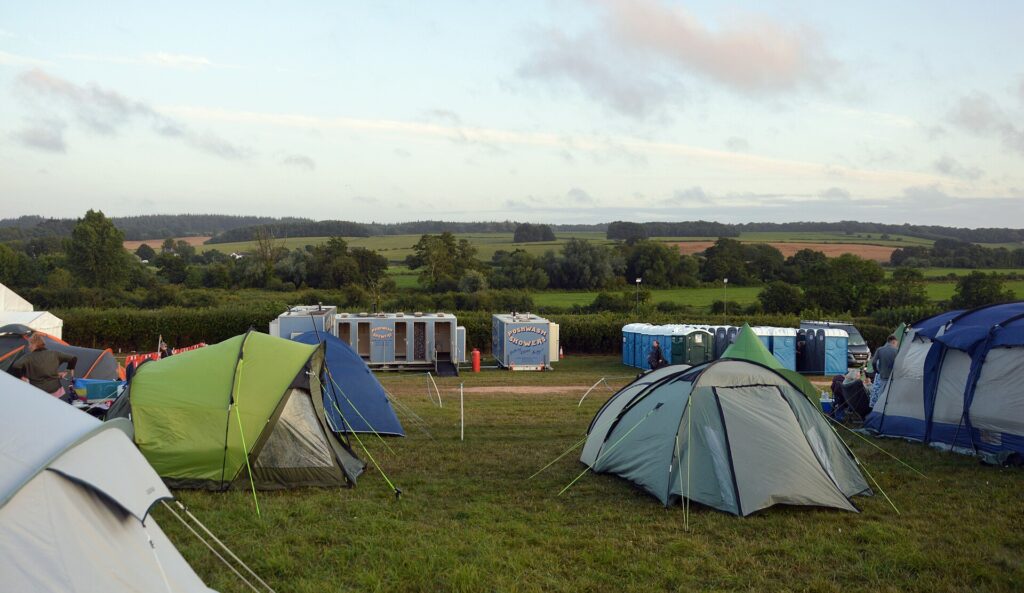
Which festival costs are fixed and which you can still move
Fixed costs are locked the moment you commit: the ticket tier, the transport you booked, the campsite you chose.
Variable costs bend with whatever you do on the day: food, drinks, merchandise, ice, and the things you forgot and buy on site. These are the lines that decide whether you come home with change in your pocket or a story about the last night.
A useful test: if you can still change the number tomorrow, it is variable. If you cannot, it belongs at the front of your plan. Fix everything you can before the gates open.
A ticket bought at presale, a booked trip plan and a paid campsite turn an open-ended adventure into a number you can see. On site, the only lever left is daily spending, and it is the weakest lever you have.
The classic trap is front-loading upgrades. VIP upgrades, premium camping and a merch haul feel like the plan until nothing is left for food, and then the weekend feels expensive despite the money already spent.
How to build a festival budget step by step
Build the budget in this order: set your ceiling, list the lines, price them from real sources, add a buffer, then track what you spend.
- Set your ceiling. Decide the maximum you can spend before you look at a single price. Every choice below gets sorted against this number, not against what other people spend.
- List every line. Ticket, transport, parking, camping or accommodation, travel day food, festival day food, drinks, gear you still need, and spending money.
- Price from primary sources. Use the festival’s own ticket page, the transport provider’s current fares, and live accommodation rates. Price the tier you would actually accept, not the cheapest one you hope is still available. Quotes beat guesses, so keep a note of the fare or rate you are planning against.
- Add a buffer of 10 to 20 per cent. Event planners build a contingency fund of 10 to 20 per cent into event budgets before finalising commitments, and your trip deserves the same cushion. A broken tent or an extra night is not a crisis when it is already funded.
- Buy in the right order. Ticket first, at the current tier, with a payment plan if that helps your cash flow: Woodford charges a one-off $30 admin fee to split payments across the year. Transport next. Everything else as you go.
- Track as you go. Note what you spend each day, on your phone or on paper. A running total turns a vague worry into a clear decision by day three.
The festival costs people forget to budget for
The lines that break budgets are small, predictable and easy to price once you know where to look.
Start with fees. Advertised ticket prices exclude booking, transaction and postage fees, and the number at checkout is the only one that counts. Check the total before you pay, not after.
Then the on-site list: car passes at camping festivals, lockers, ice, merch, snacks between meals, sunscreen, a phone charge, and the replacement poncho you buy when the weather turns. None is big on its own. Together they add a serious sum by the end of a long weekend.
Food on travel days is the most commonly missed line. Airport meals, servo food and the coffee stop on the drive add a full day of eating to the total, and those days never appear in anyone’s festival budget.
Time off is a cost too. If the trip eats a workday or two, count the pay you are giving up, especially if you are casual.
For the complete list, see our guide to hidden festival costs.
How to cut costs without ruining the trip
The biggest savings come from timing and sharing, not from skipping meals.
Buy at the earliest tier still on sale. At Woodford, waiting until the gate costs $15 more on a day ticket and $56 more on a season ticket with camping, and the earlier allocations were cheaper again before they sold out.
Choose the format that fits the budget too: a $145 day ticket can beat a season pass you cannot afford, and one great day beats six exhausted ones.
Share wherever you can. Split fuel, borrow a tent, and pool a cooler. Groups also unlock discounts: WOMADelaide takes 10 per cent off when ten or more tickets of the same type go in together.
Where camping is bundled into the ticket, it beats a motel plus three days of parking.
Eat one vendor meal a day as the treat and self-cater the rest, as long as the festival’s rules allow it. Check the payment plan against your credit card, because a $30 admin fee is cheaper than months of interest.
Consider volunteering as well. Many festivals swap a ticket for shifts, so check the festival’s own site for its program before you buy.
What not to cut: food, water, rain gear and a decent sleeping setup. A weekend spent cold and hungry is not a saving.
Budgeting for an overseas festival
An overseas festival adds three lines to the same budget: flights, documents and insurance.
Flights break the plan first. Book early, but only after you confirm dates on the festival’s official site, because lineups move and a cheap fare on the wrong week is an expensive mistake.
Documents need lead time. Check your passport’s validity and the destination’s entry requirements months out, not weeks. Visas, renewals and courier fees all cost real money, and they do not care about your festival dates.
Insurance with cancellation cover is a small line that turns a disaster into an annoyance. If you get sick or the event does not run, that cover is the difference between a refund path and writing off the ticket.
Then currency. Card conversion margins, ATM fees and a poor exchange rate quietly inflate every meal. Set a daily limit in the local currency and convert as you go, so small purchases stop hiding.
The short version
Festival budget planning comes down to sequence: price the whole trip before you commit, buy at the earliest tier, and track what you spend once you are there.
The categories hardly change: ticket, travel, sleep, food, gear and buffer. What changes is your control over each one. You have almost full control before you buy, partial control on the road, and very little by day three.
That is why the plan matters most in the quiet early weeks, long before the gates open.
Work out your ceiling, price each line from a real source, add a buffer and buy in order. Do that, and the festival stays a holiday from start to finish.
Ready to turn these numbers into a plan? Start with Travel Budget Planning: Tips & Tools.
Frequently asked questions
How much contingency should I include in a festival budget?
Build in 10 to 20 per cent of the total, the same cushion event planners use before locking in commitments. A broken tent, an extra night or a weather-driven shop run stays a minor annoyance when the money is already set aside.
What are the most commonly overlooked festival costs?
Booking fees, food and drink on travel days, and small on-site buys like ice, lockers and car passes are the usual gaps. None is large alone, but they compound over a long weekend, so list them before you commit to anything.
How do you prevent going over budget at a festival?
Lock in the big lines before the gates open: a presale ticket, booked transport and a paid campsite leave very little room to blow out. Once you are on site, daily spending is the only lever left, so set a limit and track it.
Should I buy festival tickets early or wait for a deal?
Buy early, because prices only climb: at Woodford, gate prices add $15 to a day ticket and $56 to a season ticket with camping. Some allocations sell out entirely, so the earliest tier still on sale is the sensible target.
Is it cheaper to camp or stay in a hotel at a festival?
Where camping is bundled into the ticket, staying on site beats a motel plus parking. City festivals flip that, because with no camping on site, accommodation becomes your second-biggest line after the ticket.
Image credits
- Photo: Djembayz / Wikimedia Commons, CC BY-SA 4.0. Source
- Photo: DesiBoy101 / Wikimedia Commons, CC BY 4.0. Source
- Photo: DimiTalen / Wikimedia Commons, CC0. Source
Works Cited
“Event Budget Basics.” EventMobi, https://www.eventmobi.com/blog/event-budget-basics/. Accessed 14 Sept. 2026.
Shabbir, Ahmed. “Event Budget Planning: A Complete Guide for 2026.” Lensmor, Lensmor, 9 May 2026, https://www.lensmor.com/blog/event-budget-planning.
“Ticket Prices 2026/27.” Woodford Folk Festival, https://woodfordfolkfestival.com/ticket-prices/. Accessed 14 Sept. 2026.
“WOMADelaide.” Adelaide Festival, Adelaide Festival, 2026, https://www.adelaidefestival.com.au/whats-on/season-2026/womadelaide. Accessed 14 Sept. 2026.