
The short answer
A festival camping checklist is the list you build before you leave home, covering everything your campsite needs for a few days on site. Get the core kit right and the weekend runs itself: a tent that survives wind, a sleep setup that blocks light and noise, water, food, power and a basic first aid kit. Add the small items people forget, like earplugs, spare socks and a head torch, and you skip the queues, the cold and the emergency shop run.
Tent and shelter: spend here first
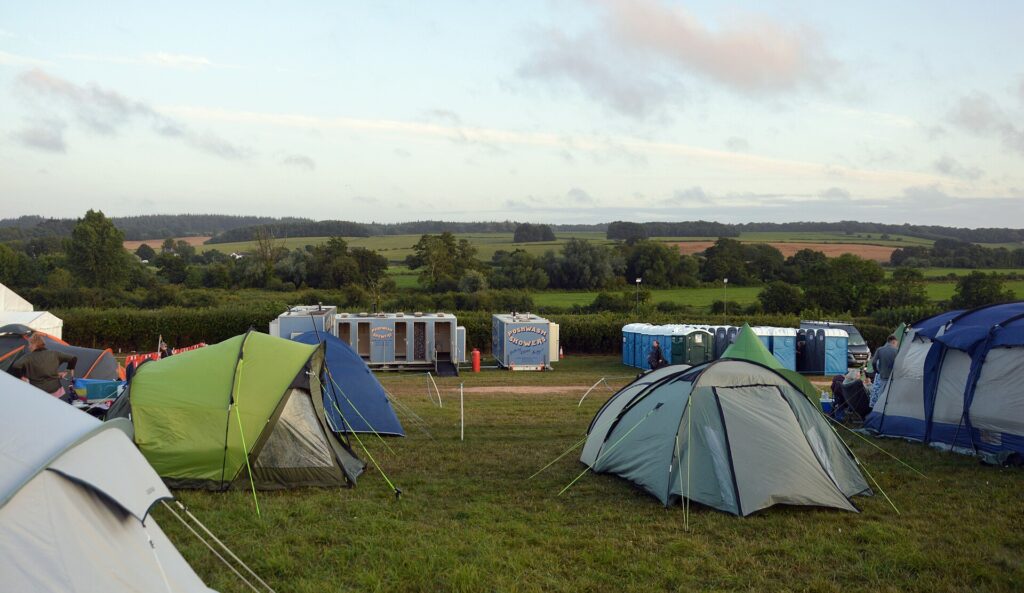
Your tent is the one item worth spending on, because a festival paddock is harder on gear than a quiet campsite. You get hard ground, wind, dust and the chance of heavy rain in the same weekend, and a cheap single-skin tent struggles with all four.
Choose a double-skinned tent sized for your group plus your bags. Oxfam’s festival packing list recommends a double-skinned model and flags blackout versions for anyone who needs to sleep through daylight. That detail matters when the sun hits the fly at 6am and the tent turns into a greenhouse.
Pack these for the shelter itself:
- Spare pegs, a dozen or so, because packed ground bends thin pegs fast
- A mallet or a rubber hammer
- Repair tape or a patch kit for the fly and the poles
- Guy lines you have practised with before you leave
- A tarp or shade cloth if your site allows extra shade
Pitch habits matter more than the brand. Face the door away from the main walkway, tighten the fly, and lift your bags off the tent floor if rain is coming. If you are staying three nights or more, read the Multi-Day Festival Camping Hacks guide before you go.
Sleep: the kit that buys real rest
Sleep at a festival is a contest with noise, light and cold ground, so pack to beat all three. A good mat does more for your weekend than an expensive sleeping bag.
Start with insulation under you. A self-inflating mat or a closed-cell foam pad keeps the cold ground away from your back, which is what wakes most campers at 3am. Then add a sleeping bag rated for the overnight low rather than the daytime temperature, plus a pillow or a rolled-up jumper.
The small items earn their place:
- Earplugs, plus a spare pair, because campsite noise keeps festival hours
- An eye mask for the early sunrise
- A beanie for the coldest hour of the night
- A separate bag for anything you want to keep clean, dry and grit-free
A tent that is far too big for your group is colder at night, because all that extra air still has to be warmed. If you sleep lightly, pitch away from generator banks, toilets and the main path. Those three spots stay loud all night.
Cooking, water and food: eat well without the queues
Plan food around two facts: you will walk further than you expect, and vendor food is the most expensive way to eat. Festival rules on stoves, glass and generators vary, so check your event’s site rules before you pack.
The food kit that works:
- A refillable water container for each tent, filled at the taps each morning
- A bottle or hydration bladder that you carry to the stage
- An esky with a block of ice rather than cubes, since a block melts slower and keeps food colder for longer
- Food that tolerates heat: muesli bars, nuts, bread rolls, fruit, instant noodles
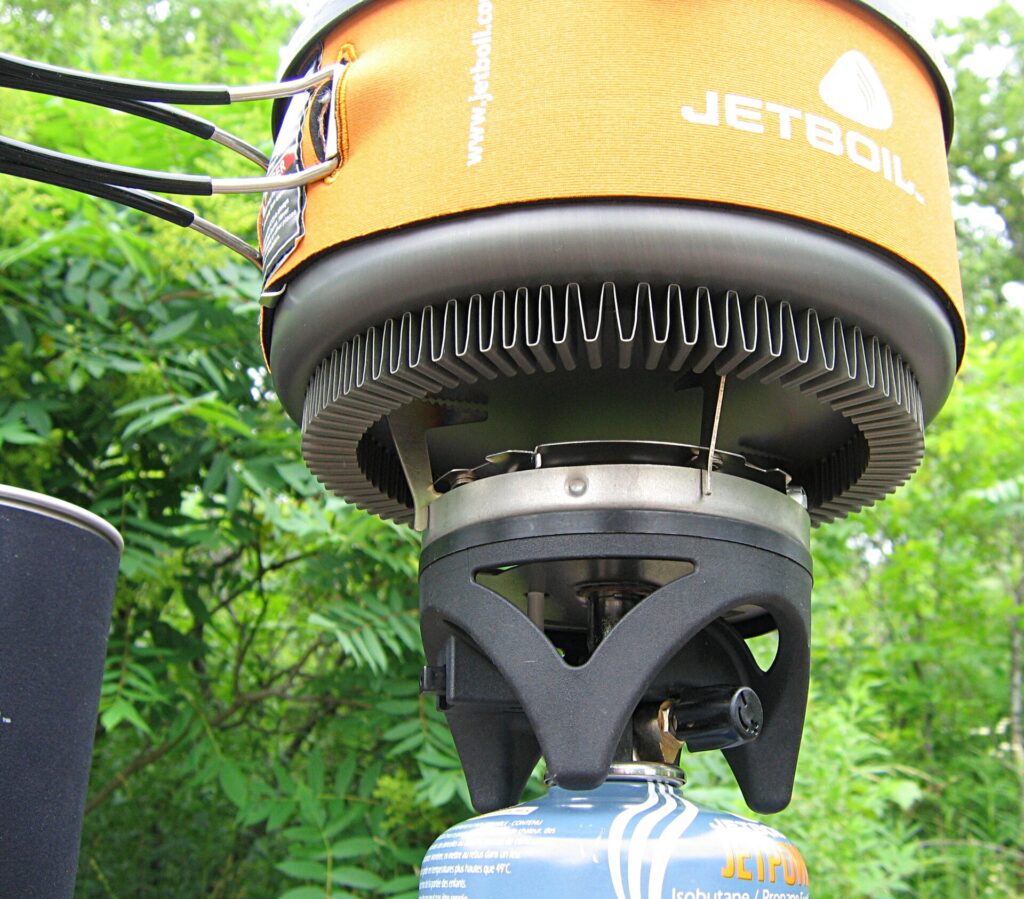
- A small stove and billy only if the site permits flames, plus matches in a zip bag
- Bin bags, because what you carry in usually travels home with you
Cook breakfast and a late snack at camp, then buy one meal a day from the vendors. You get the food experience without paying for every meal on site. Midday heat kills most appetites anyway, so save the cooking for the cool ends of the day.
Clothing and footwear: dress for four seasons in one weekend
Pack layers rather than outfits, because the temperature at 2am has little to do with the temperature at 2pm. The gap between a good night and a miserable one is usually a jacket and dry socks.
The working wardrobe:
- Two pairs of broken-in shoes: boots for the long days, something simple for the toilet run
- Extra socks, more than you think you need
- A warm layer for the night and a rain shell that packs small
- A wide-brimmed hat for the sun and a beanie for the small hours
- One set of clothes sealed in a dry bag as a spare
Build the bag around the worst day in the forecast, not the best. Weather Preparation for Outdoor Festivals walks through heat, rain and wind plans in more detail.
Leave delicate fabrics at home. Dust and mud are harder on silk and suede than on cotton and canvas.
Hygiene, health and first aid: the small kit that saves the trip
Pack for the three things festival campsites do best: heat, blisters and long toilet queues. None of it takes much room, and all of it is annoying to buy on site.
The essentials:
- Toilet paper, one roll per person, plus a zip bag to keep it dry
- Hand sanitiser and a pack of wet wipes
- Sunscreen at SPF 30 or higher, reapplied through the day
- Insect repellent for dusk
- Painkillers, rehydration sachets and blister plasters
- Prescription medicine in its original packaging, with a copy of the script
- Earplugs, which earn a second mention because they matter twice
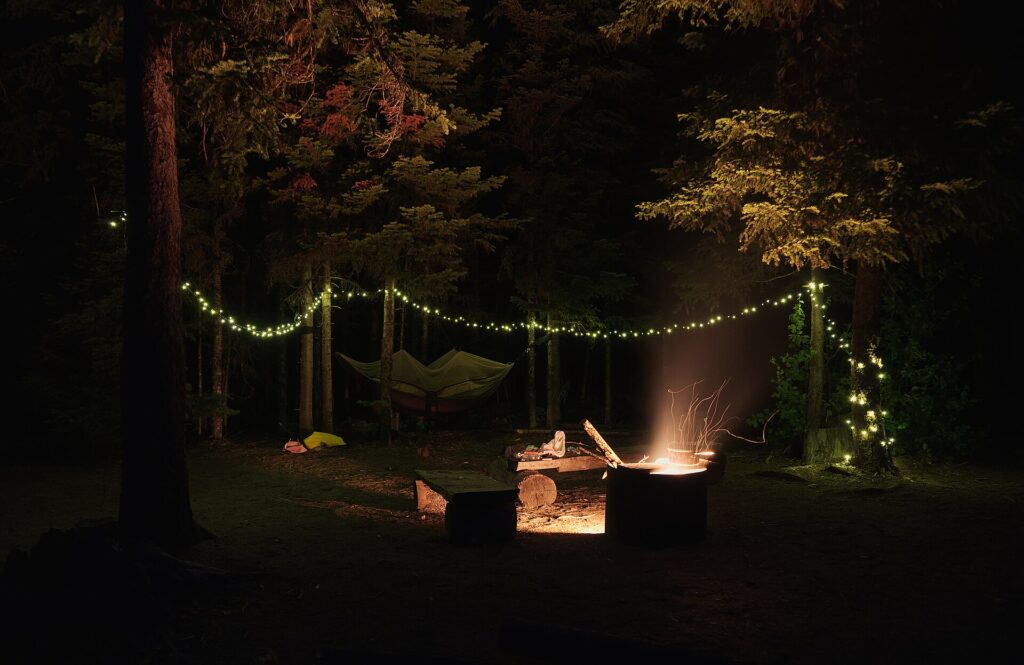
- A torch or headlamp for the 2am walk
Heat is the main risk at Australian festivals, so drink before you feel thirsty and take a shaded break each afternoon. First Aid Essentials for Festival Attendance covers the deeper kit, including what to pack if you take regular medication or travel with kids.
Set aside one dry bag for dirty clothes so your tent stays a sleep space rather than a laundry pile.
Power and light: keep your phone alive to Sunday
A multi-day festival drains a phone far faster than a normal weekend, so treat power as an item you plan for rather than hope for. Charging stations exist at some events, but you should not count on getting near one.
Build a simple power kit:
- A power bank sized for three days of charging, with a spare cable
- A head torch for hands-free jobs around camp
- A small lantern for the tent at night
- A car charger for the drive home
- Tickets, set times and maps downloaded and kept as screenshots
Label your cables with tape. Every tent has a black charging cable, and shared power strips turn into a swap meet by Saturday.
The full checklist, in one table
Here is every item from the sections above, grouped so you can work down one column and tick as you pack.
| Category | Pack | Why it earns space |
|---|---|---|
| Shelter | Double-skinned tent, spare pegs, mallet, repair tape | Wind and hard ground break cheap gear first |
| Sleep | Mat, sleeping bag, pillow, earplugs, eye mask | Cold ground and noise cost you the most sleep |
| Water | Refillable bottles, water container, hydration bladder | Taps sit far from most tents |
| Food | Esky with block ice, dry snacks, stove if allowed, bin bags | Vendor queues cost both time and money |
| Clothing | Two pairs of shoes, extra socks, rain shell, warm layer, hat, beanie | Camp nights turn cold quickly |
| Hygiene | Toilet paper, sanitiser, wipes, sunscreen, repellent, toothbrush | Queues and dust make basics precious |
| Health | Painkillers, rehydration sachets, blister plasters, prescriptions | The nearest chemist is often off site |
| Power | Power bank, spare cables, head torch, lantern | Phone batteries die by night two |
| Documents | Ticket, ID, parking pass, booking confirmation | No ticket, no entry, no exceptions |
If a term on your ticket or your campsite booking is unclear, the Travel Glossary: A to Z of Travel Terms explains the language, from re-entry rules to day passes.
Getting gear from the car to the pitch
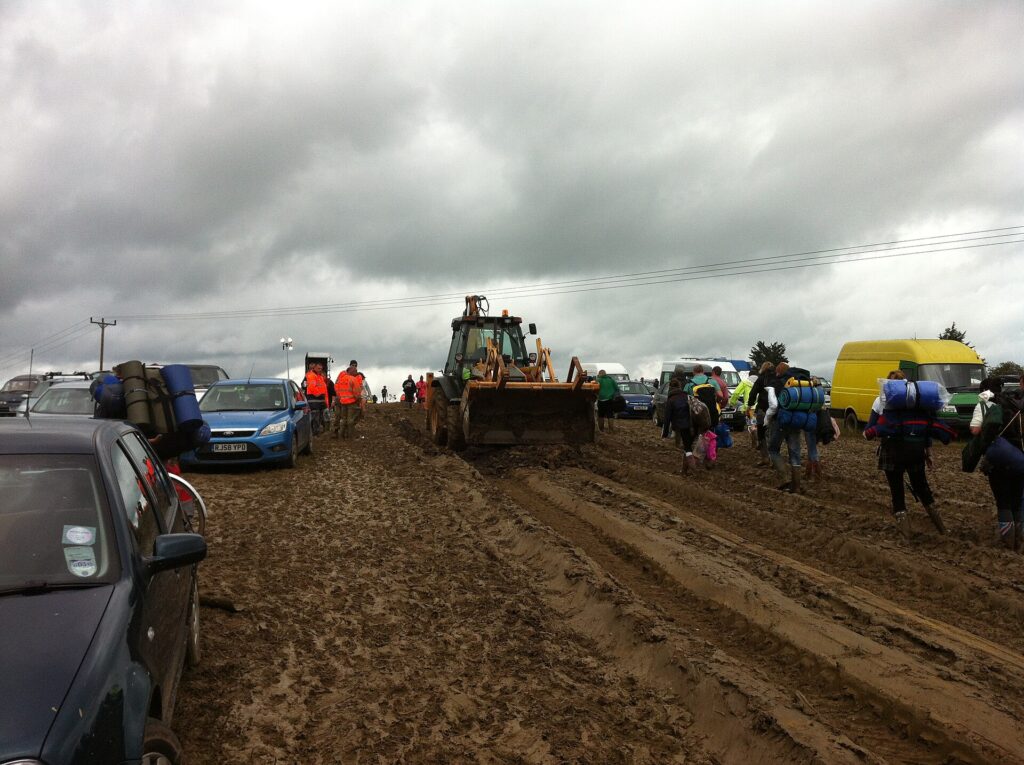
The carry is the part nobody trains for, so pack for it as well as for the camp. A full car boot looks tidy at home and turns into four trips across a paddock in the heat.
Make the walk easier:
- Pack in bags you can actually carry, ideally a backpack plus one bag per pair of hands
- Bring or borrow a trolley or wagon if the site allows them, since they halve the number of trips
- Strap the trolley load down, because gear that falls off in long grass is gear you crawl around looking for
- Keep the tent and the sleeping bags on top of the load, so they come out first
Arrive in daylight if the gates allow it. Pitching by phone light works, but it takes twice as long and the ground looks flatter than it is.
Campsite setup: where to pitch and what to leave outside
Arrive early, pitch on the flattest ground you can find, and set your door away from the main walkway. Setup speed matters, because the best ground goes in the first wave of arrivals.
Coleman’s festival camping list notes that instant-style tents can go from packed to pitched in about a minute, which helps when you have a queue of cars behind you. Whichever tent you bring, practise the pitch once at home so you are not reading instructions after dark.
Then make the site work:
- Face the door away from the wind, and close the fly before you leave for the night
- Mark your tent with a flag, ribbon or light, because tent rows all look the same after midnight
- Keep cash, keys and medication on you, since a tent zip is a deterrent and not a lock
- Leave bin bags by the door so the site stays tidy and packs down fast on the last morning
Trees drop sap, and sometimes branches, so treat shade as a bonus rather than a reason to pitch underneath one.
The last 24 hours before you leave
Treat the final day as two passes: gear first, then the small stuff. The items people forget are almost always the ones packed last.
Work through this on the night before:
- Freeze the water bottles and the block ice
- Charge the power bank, the torch and the car
- Download or screenshot tickets, maps and set times
- Check the forecast and swap in the clothing that matches
- Put medication, ID and a full water bottle in your day bag
- Confirm whether the site is cashless before you rely on notes
What to leave at home
Every item you leave behind is weight you do not carry from the car, so cut hard on the first pass. This is the step in a festival camping checklist that people skip, and it costs them an hour of hauling.
Leave the glass bottles if the site bans glass, the generator if it bans generators, and the good camera if you would worry about it all weekend. Leave the fifth outfit and the folding table nobody sits at.
The REI festival camping checklist makes the same point from hard experience. Elle Wayt, who has attended more than 23 outdoor festivals, writes that her early festivals were spent overpacking things she never touched. Buy gear for the next festival rather than this one, and you avoid a cupboard full of single-use mistakes.
Final word
Build the list once, reuse it every year, and note what you never touched. After two festivals it becomes personal, and the pack takes an hour instead of a day.
When you are ready to work out what the camping weekend really costs, from site fees to food and fuel, start with the Hidden Festival Costs: Complete Budgeting Guide.
Frequently asked questions
Should you lock your tent at a festival?
A lock slows an opportunist but it is a deterrent, not protection, so keep cash, keys, cards and medication on you. A small bag that stays with you at all times does more for security than a padlock on the zip.
How do you keep your tent cool during a festival?
A blackout inner tent is the reliable fix, because the sun hits the fly early and a standard tent heats up fast inside. Morning tree shade is a bonus, but do not pitch directly under a tree, since branches and sap bring their own risks.
How do you keep track of your campsite in a large campground?
Mark your pitch with a flag, ribbon or light, and note a landmark such as the closest water tap or toilet block. A photo of the pitch by daylight also helps you navigate back after dark, when tent rows look identical.
What is the most common mistake when festival camping?
Overpacking tops the list: extras mean more trips from the car and less room in a crowded pitch. Arriving late runs it close, since pitching by phone light takes twice as long and hides the bumps in the ground.
How early should you arrive for festival camping?
As early as the gates allow, because the best ground goes in the first wave of arrivals. Arriving in daylight makes the carry and the pitch easier too, so plan your travel to clear the queue before dark.
Image credits
- Photo: DimiTalen / Wikimedia Commons, CC0. Source
- Photo: Original photo: Michael Pereckas on Flickr
Modified by Gazebo on February 3, 20 / Wikimedia Commons, CC BY 2.0. Source
- Photo: Stephen West / Wikimedia Commons, CC BY 2.0. Source
- Photo: Trougnouf / Wikimedia Commons, CC BY 4.0. Source
Works Cited
“Festival Camping List.” Coleman, The Coleman Company, n.d., https://www.coleman.com/festival-camping-list.html.
“Festivals Packing List.” Oxfam Festival Volunteers, Oxfam, n.d., https://festivals.oxfam.org.uk/info/festivals-packing-list/.
Wayt, Elle. “Festival Camping Checklist.” REI Expert Advice, REI Co-op, 9 Feb. 2026, https://www.rei.com/learn/expert-advice/festival-camping-checklist.html.