The short answer
Festival first aid is what you can do for yourself and the people around you before the event’s medical team takes over. It comes down to three things: a small kit for cuts, blisters and headaches, a plan for heat, water and meeting points, and the judgement to spot a real emergency early. Most of what goes wrong on site is small, and most of it is preventable with basic planning. This guide covers what to pack, what to treat on site, and the signs that mean you should stop and get professional help.
What festival first aid actually covers
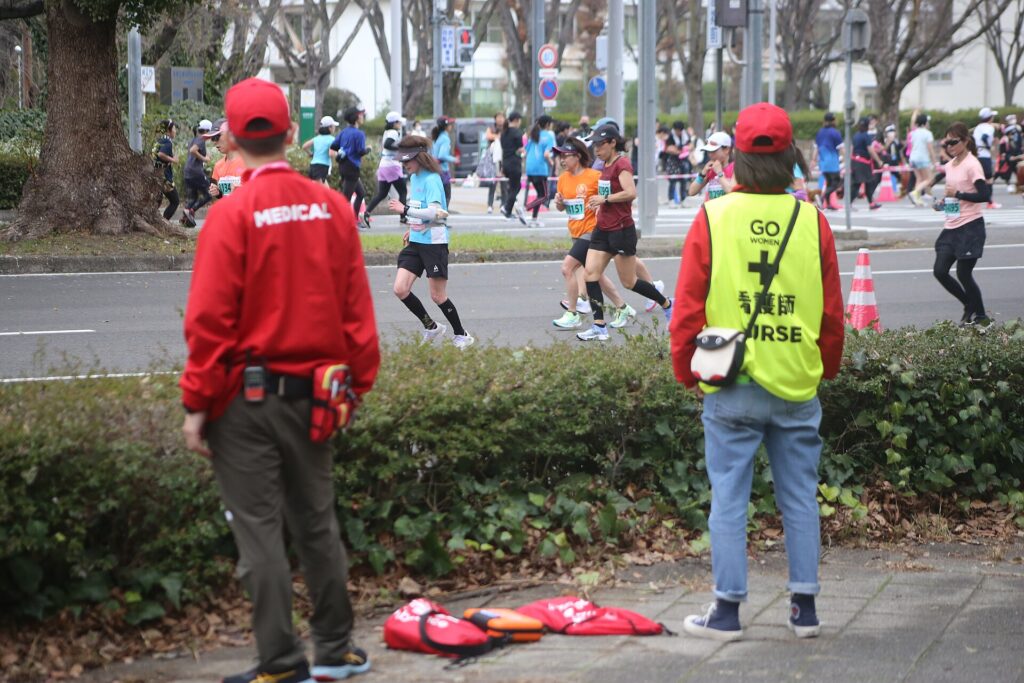
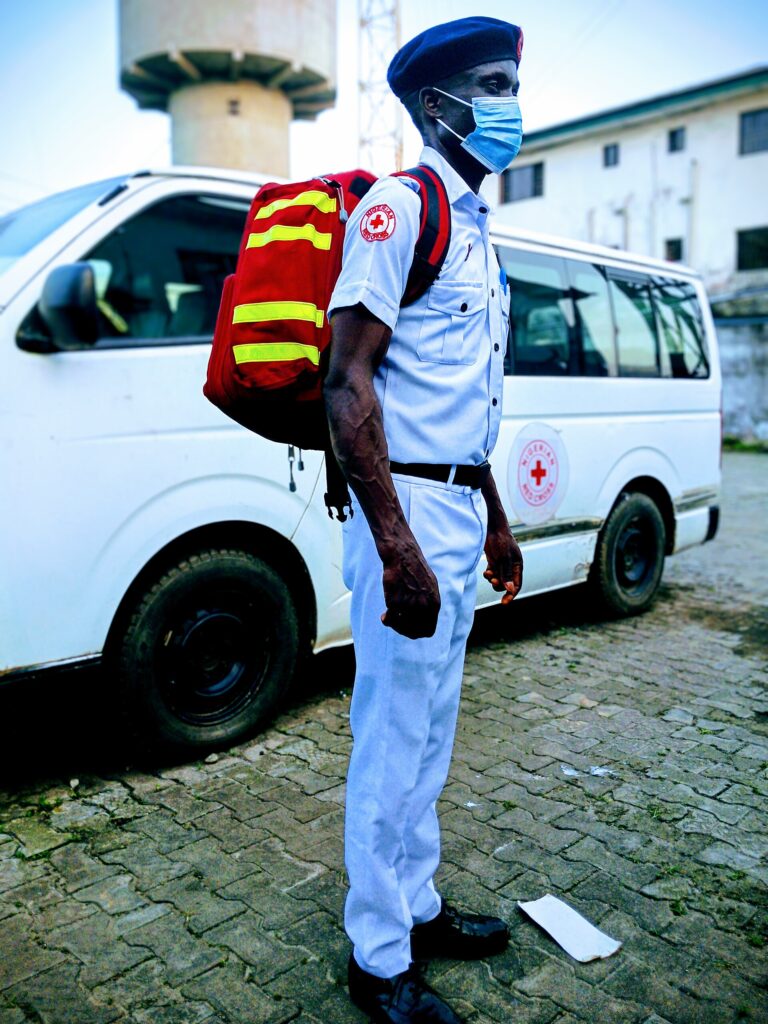
Festival first aid is the layer of care that sits between a minor problem and the event’s medical team. At any large event, that care splits into three levels.
Your own pouch handles the small stuff: blisters, grazes, headaches and a twisted ankle. Welfare services handle water, shade, lost friends and mental health support. Medical tents, often marked as first aid posts, handle injuries, illness and intoxication.
Numbers are blunt about how much this matters. St John WA runs a free 15-minute festival first aid course and reports that 6 percent of festivalgoers who drink or take drugs will seek emergency treatment, a figure drawn from the 2019 Global Drug Survey. The same course teaches DRSABCD: Danger, Response, Send for help, Airway, Breathing, CPR and Defibrillation.
The language on site maps matters too. “Medical tent”, “first aid post” and “welfare tent” are not the same thing, and knowing which is which saves time when something goes wrong. If a term on your ticket or the site map is unfamiliar, the Travel Glossary explains common travel words in plain language.
Build a festival first aid kit that fits your bag
A festival first aid kit needs to cover five problems: cuts, blisters, pain, stomach trouble and dehydration. It also needs to fit in one small pouch you can carry from the gate to the last set.
Most festivals search bags on entry, so check the event’s prohibited items list before you pack. Anything that fails a security check gets left at the gate.
| Item | What it handles | Keep it in |
|---|---|---|
| Plasters and blister plasters | Grazes and dance-floor blisters | Day bag |
| Antiseptic wipes | Cleaning a wound before you cover it | Day bag |
| Sterile dressings, small and medium | Larger cuts and grazes | Day bag |
| Rolled bandage and medical tape | Sprains and holding a dressing in place | Day bag |
| Paracetamol or ibuprofen | Headaches, period pain, minor injuries | Day bag |
| Oral rehydration sachets | Dehydration after a hot day | Day bag |
| Antihistamine tablets | Bites, stings and mild allergic reactions | Day bag |
| Travel-size sunscreen | Sunburn prevention | Day bag |
| Tweezers | Splinters and ticks | Campsite kit |
| Scissors, safety pins and a small torch | Cutting tape, running repairs, night checks | Campsite kit |
| Digital thermometer | Checking a fever back at camp | Campsite kit |
| Your own prescription medicine | Regular doses, in original labelled packaging | Day bag |
Two notes on the medicines. Aspirin suits adults only, so leave it at home if your group includes teenagers. If you take prescription medicine, keep it in the original packaging with the label intact, and carry enough for the whole trip.
Keep the fuller kit at camp and a trimmed version in your day bag. Restock before every event, because dried-out wipes and expired painkillers fail exactly when you need them. Treat the kit as part of your wider festival packing list, not a last-minute throw-in at the gate.
Heat, dehydration and sun
Heat illness is the most common serious problem at an outdoor festival, and it builds in stages you can spot early.
The first signs are thirst, headache, dizziness, muscle cramps and dark urine. Act on them: sit down in shade, drink water and cool your skin. If someone becomes confused, stops sweating or faints, treat it as an emergency, not a rest stop.
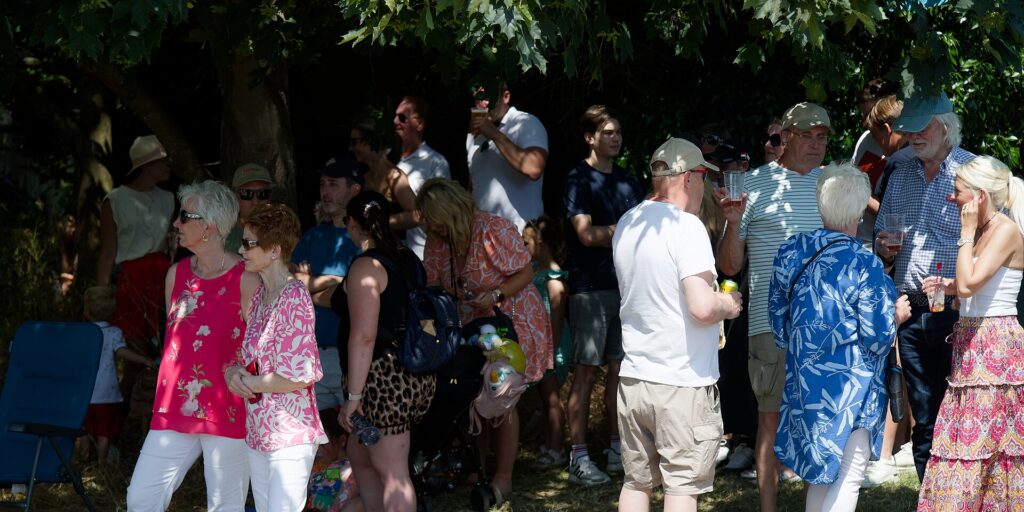
Prevention is simple. Drink water steadily through the day instead of all at once, eat something salty with it, and use shade during the hottest hours. Reapply sunscreen every few hours, especially after sweating.
Alcohol works against all of it. St John WA cites a 2019 Global Drug Survey figure of 15 standard drinks consumed by the average festivalgoer, and alcohol increases fluid loss while dulling the thirst that would normally warn you. A drink in full sun hits harder than the same drink at home.
Check the forecast before you pack and plan around it. The guide to weather preparation for outdoor festivals covers heat, rain and mud in more detail.
Blisters, cuts, sprains and other minor injuries
Most on-site injuries are small: blisters, grazes, twisted ankles, splinters and insect bites. Each has a simple first response, and each has a point where it stops being simple.
Do not pop blisters. Cover them with a blister plaster, change your socks, and swap shoes if you can. A popped blister is an open wound in a field.
For cuts and grazes, clean the wound with water or an antiseptic wipe, cover it, and change the dressing daily. If bleeding will not stop with pressure, go to the medical tent.
For a twisted ankle, rest, elevate and wrap it rather than walking it off to save the night. For bites and stings, an antihistamine eases swelling and itch. Swelling that spreads away from the bite, or any trouble breathing, needs emergency help immediately.
Eyes deserve their own note. Festival sites are dusty, and sunscreen and insect repellent sting when they get in. Rinse with clean water or the eye wash from your kit.
If the pain or blurred vision persists, see a medic.
Alcohol, drugs and when to hand over to the medics
In any serious situation, your job is to recognise the problem early and get the person to the event’s medical team. It is not to manage a serious situation yourself.
These teams are not improvised. The charity Festival Medical Services has provided event care since 1979 and now fields around 1,500 volunteer clinicians and support staff, including doctors and nurses.

Medical providers who work festivals give the same instructions: alert staff as soon as something looks wrong, do not try to diagnose a friend from how they look, and never delay help because the group does not want to miss a set.
First aid planning advice for festivals from a CPR training provider lists the triggers: unresponsiveness, breathing trouble, seizure, severe bleeding, chest pain and heat illness that keeps getting worse.
In Australia the emergency number is 000. Call it if staff are not nearby. If they are, give them a clear handover: what the person took if you know, when they last spoke normally, and any medical conditions you know about.
Surveillance research at Australian music festivals in the late 2000s found that 44 percent of attendees had used illicit drugs in the previous month, a figure cited by St John WA. Whatever the event, the rule is the same: unknown substances are a risk you cannot assess, and no one should be left alone to sleep it off.
Plan your festival first aid before you arrive
The most useful first aid step costs nothing: before the first set, walk the site and find out where help lives.
On arrival, locate the medical tent, the welfare tent, the water points and the exits. Save them on your phone and message the locations to your group.
Signal drops exactly where you need it, so agree a meeting point and a check-in time before the batteries die. A separated group is the most common small crisis at any festival, and a plan removes it.
If you take prescription medicine, keep it in the original packaging, carry enough for the whole trip, and check the rules before you fly if you are travelling internationally. On a solo trip, send someone at home your rough plan for each day.
After the festival: recovery first aid
The first day home is when the trip catches up with you: blisters, a sore throat, ringing ears and plain exhaustion.
Rehydrate, eat properly and sleep. Treat blisters and cuts the same way you did on site, and watch anything that gets redder, hotter or more painful, because minor infections show up a day or two later.
Ringing ears after the last set is a warning, not a badge. If it lasts more than a day, get it checked. For the full reset, the festival recovery guide covers sleep, food and skin care after a multi-day event.
Put your festival first aid plan in place
A working festival first aid plan has three parts: a kit you actually carry, habits that keep heat and dehydration in check, and the sense to escalate early.
None of it is complicated or expensive. A small pouch, a water bottle and a five-minute walk around the site on day one cover most of the risk you will meet.
Ready to plan the whole trip around the event? Start with the music festival survival guide for first-timers.
Frequently asked questions
Is it safe to let someone sleep it off?
No. A person who is unresponsive needs emergency help, so alert the medical team or call 000 and stay with them. Tell staff what they took if you know, when they last spoke normally, and any medical conditions you know about.
How do I know when first aid is not enough?
Escalate on unresponsiveness, breathing trouble, seizure, severe bleeding, chest pain or heat illness that keeps getting worse. Festival medical teams are staffed by trained clinicians, including doctors and nurses, so hand over early instead of trying to manage it yourself.
What is DRSABCD?
DRSABCD is the action plan St John WA teaches in its free festival first aid course: Danger, Response, Send for help, Airway, Breathing, CPR and Defibrillation. The same 15-minute course also covers dehydration and intoxication.
Can I bring my own medicine to a festival?
Pack it only if it passes the event’s prohibited items list, because anything that fails a security check gets left at the gate. Prescription medicine should stay in its original labelled packaging, with enough for the whole trip.
Should you pop a blister at a festival?
No. A popped blister is an open wound in a dusty field, so cover it with a blister plaster, change into dry socks and swap shoes if you can. If it bursts on its own, clean it like any cut and keep it covered.
Image credits
- Photo: 円周率3パーセント / Wikimedia Commons, CC BY-SA 4.0. Source
- Photo: ABORISADEADETONA / Wikimedia Commons, CC0. Source
- Photo: Acabashi / Wikimedia Commons, CC BY-SA 4.0. Source
- Photo: Jeroen Komen from Utrecht, Netherlands / Wikimedia Commons, CC BY-SA 2.0. Source
Works Cited
Festival Medical Services, Festival Medical Services, festival-medical.org/. Accessed 14 Sept. 2026.
“First Aid at Music Festivals: A Practical Safety Plan.” MyCPR NOW, cprcertificationnow.com/blogs/mycpr-now-blog/first-aid-during-music-festivals. Accessed 14 Sept. 2026.
“First Aid for Festivals.” First Aid for Me, St John Ambulance Western Australia, firstaidforme.stjohnwa.com.au/first-aid-for-festivals/. Accessed 14 Sept. 2026.