
The short answer
A festival packing list starts with four decisions: how you will sleep, how you will handle the weather, how you will stay fed and hydrated, and how you will keep your phone alive. Get those right and everything else is detail. This guide covers what to actually bring, what most people forget, what to leave at home, and how to carry the lot without wrecking your back. It is written for camping festivals, but the same list scales down to a day bag.
What goes on a festival packing list
A working festival packing list splits into six groups: sleep and shelter, clothing, food and water, health and hygiene, power and tech, and your documents. Sort your gear into those groups before you pack, and nothing important gets left on the kitchen bench.
Most lists fail the same way. They name the big items, the tent and the sleeping bag, then skip the small things that decide whether the weekend works: toilet paper, earplugs, a spare pair of socks, a plastic bag for wet clothes.
| Group | Pack this | Why it matters |
|---|---|---|
| Sleep and shelter | Tent, pegs, mallet, sleeping mat, sleeping bag, pillow | A bad night’s sleep is the fastest way to ruin a long weekend |
| Clothing | Layers, a warm night layer, rain shell, worn-in shoes, gumboots, extra socks | Days run hot and nights run cold, often at the same festival |
| Food and water | Reusable bottle, snacks, sealed food box | Queues and on-site prices wear you down by day two |
| Health and hygiene | Sunscreen, painkillers, plasters, hand sanitiser, toilet paper | Shops on site stock little and charge more |
| Power and tech | Power bank, short cable, zip bag for the phone | Your ticket, map and camera live on one battery |
| Documents | Ticket, photo ID, cash, bank card | These are the items you cannot replace on site |
Oxfam’s guide for festival volunteers separates must-haves from nice-to-haves, and that split is the right way to build your own list. Buy the must-haves first, then borrow or skip the rest. Two early decisions shape everything: whether you are camping on site, and whether you arrive by car or on foot.
A car trip can carry the camp chair and the food box. A pack-only trip forces harder choices.
What to wear to a festival
Pack for three states of weather, not one: a hot day, a cold night and rain. That single rule answers most clothing questions before you open the wardrobe.
Start with layers you can add or remove through the day. A t-shirt or singlet for the afternoon, a light long-sleeve shirt for sun protection, and a warm fleece or hoodie for after dark. A packable rain shell earns its place in every bag, even in a dry forecast.
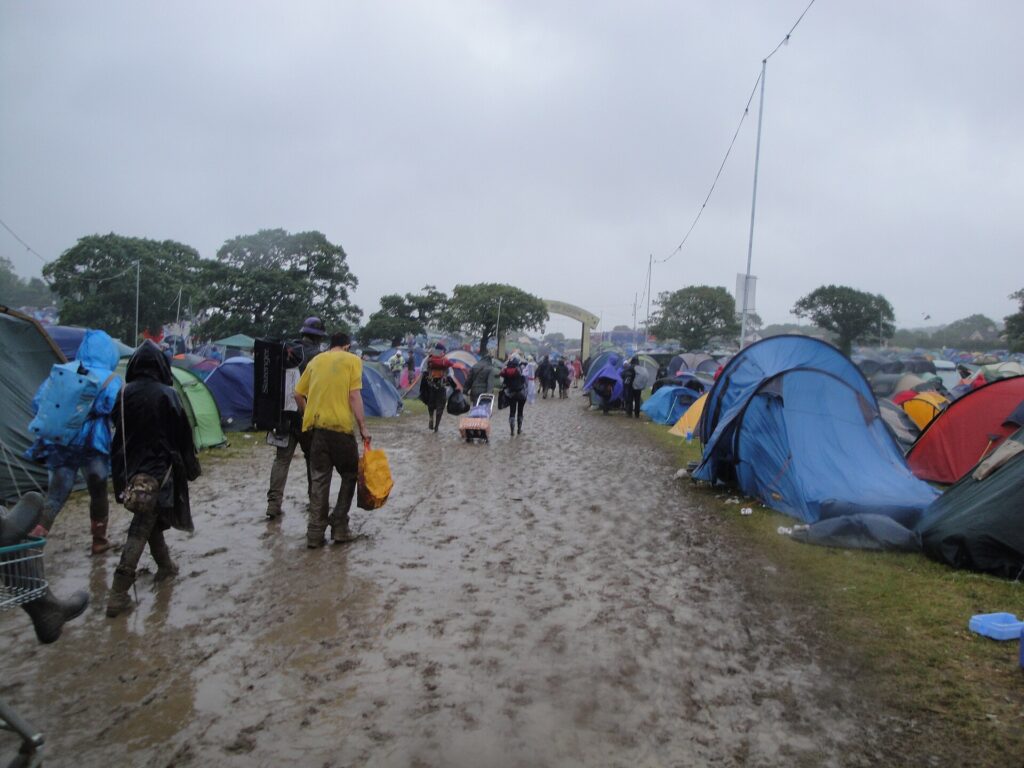
Shoes matter more than outfits. Bring footwear you have already worn for a full day of walking, because new boots and blistered feet end parties early. Many sites turn muddy after summer storms, so gumboots are cheap insurance.
Add sandals or slides for the shower block, and one more pair of socks than you think you need.
The small items do real work: a wide-brimmed hat, sunglasses, a bandana, and a cheap poncho that lives in the bottom of the bag until the day it saves the trip. If your event falls in a wet season window, our guide to weather preparation for outdoor festivals covers what to expect.
Camping gear and sleep: the items that decide your weekend
Your tent, sleeping mat and sleeping bag decide how well you sleep, and sleep decides how much of the festival you actually enjoy. Treat them as priority items, not afterthoughts.
For a tent, look for a double-skin model: an inner sleeping area plus an outer fly. Bag maker Stubble & Co suggests a double-skin tent with a hydrostatic head rating of 3,000mm or more if you expect real rain. Buy or borrow a size larger than your group needs, so there is room for your bag and your wet gear.
Cheap foam mats work, but an inflatable mat with some thickness keeps you off cold ground. A sleeping bag rated for the coldest night of your trip beats a heavier bag that never gets used. Then add the sleep kit most people forget: earplugs and an eye mask.
Campsites are loud and bright, and sleep is a competitive sport at any festival.
Finish the setup with a camp chair, a head torch, spare pegs and a mallet. Secondhand tents sell cheap after each season, so check the seams and the poles before you rely on one. For camp logistics, including how to find your tent after dark and how to keep gear dry, see these multi-day festival camping hacks.
Food, water and campsite cooking
Bring water you can carry and snacks you can eat standing up. Leave anything more ambitious to the food vendors unless your event allows camp cooking.
A reusable water bottle is non-negotiable, and most sites let you refill at taps or water points. Check the entry rules first, because many festivals require bottles to arrive empty. A hydration pack holds more water and keeps your hands free, which is why the REI festival camping checklist recommends one for long days near the main stage.
For food, think shelf-stable and boring: nuts, muesli bars, dried fruit, crackers, long-life milk and cereal, and a couple of instant meals if you have a stove. Store it all in a sealed box so it survives rain, dust and wildlife. Coffee sachets and a mug make mornings civilised.
Check your festival’s rules before packing a gas stove or canisters. Some sites allow them in the campsite, others ban them outright, and the rule usually sits on the event’s FAQ page.
Health, hygiene and first aid
Pack a small first aid kit and your own toilet supplies, because on-site shops stock little and charge a premium after day one.
The kit: painkillers, plasters, blister patches, antiseptic wipes, rehydration sachets, any prescription medication plus a copy of the script, and a spare pair of glasses or contacts if you wear them. Sunscreen at SPF 50+ and insect repellent for inland sites. The Guardian’s expert festival list puts blister plasters in the essentials pile, not the nice-to-have pile.
Hygiene: hand sanitiser, toilet paper, wet wipes, sealable bags for used items, a quick-dry towel and any personal products you rely on. Shower queues spike in the morning, so wet wipes cover the gap. For a fuller breakdown, read our guide to first aid essentials for festival attendance.
Tech, power and staying reachable
Your phone is your ticket, your map and your camera, so plan how to keep it charged before you leave home. Power banks are the item festival-goers most often buy on site at a markup.
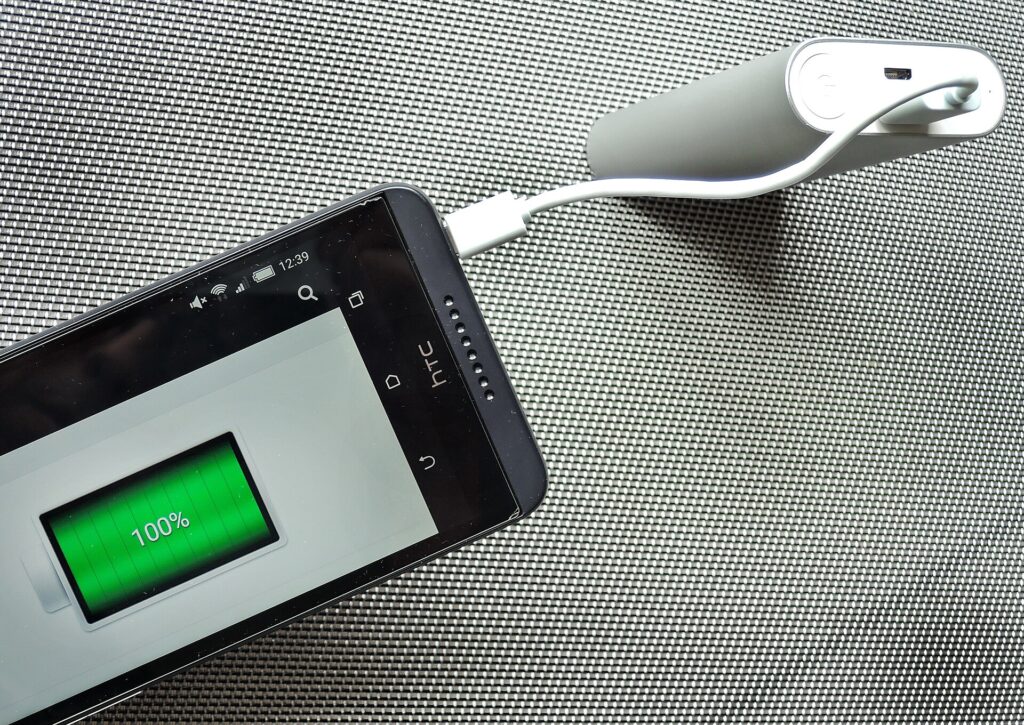
Bring one large power bank per person, a short charging cable and a waterproof zip bag. Keep the phone warm and dry, especially overnight. Charging lockers exist at some events, but they are not worth relying on when demand peaks.
Expect the network to slow down badly at big sites, so agree on meeting points with your group before you lose signal. Write the key numbers on paper or card as a backup, in case a dead battery or a flat network strands you.
See gadgets worth packing for the rest of the tech shortlist, from a second cable to a spare battery.
What not to bring to a festival
Leave behind anything made of glass, anything the site bans, and anything you would be devastated to lose. Every item you cut is weight you do not carry twice.
Most festivals ban glass outright, including food jars, so decant what you can into plastic containers. Drones, laser pointers and professional camera rigs without accreditation are also commonly prohibited. Umbrellas and gazebos often make the list too, because they block sightlines.
Leave valuables at home as well. Theft happens at festivals, and a lock on your tent is a deterrent rather than a guarantee. Bring what you need, not what you own.
Then cut the just-in-case items. If you would not use something in the first six hours, you probably will not use it at all. Rules vary by event and by state, so read the event’s terms before you pack, not at the gate.
Packing list changes for Australian conditions
Australian festival weather swings hard, so pack for sun, storms and cold nights in the same bag. Heat is the bigger risk at most events.
Summer days at outdoor sites run hot and exposed. Sunscreen, a hat and constant water intake matter more than any gadget. Storm cells move in fast in the warmer months, so a rain shell and a dry bag for your phone belong in the kit even on a blue-sky morning.
Nights are the surprise for first-timers. Temperatures at inland and desert sites can drop hard after dark, so a warm layer and a proper sleeping bag are not optional. Coastal and southern events can be cold and wet for the whole trip.
One more local detail: flies and mosquitoes. Insect repellent and a light long-sleeve shirt make inland events far more comfortable.
How to pack it: bags, weight and the walk in
Pack so that you can carry everything yourself in one or two trips, because the walk from the car park or bus stop to the campsite is usually longer than you expect.
Choose the bag for the walk, not the shelf. A hiking pack or a sturdy trolley both work, while a flimsy duffel does not. Keep heavy items low and close to your back, and split group gear across the group instead of stacking one person’s load.
Remember that trolley wheels and mud do not mix, and a steep, wet path will test any set of wheels.
Line your bag with a plastic bag before anything else goes in. If rain arrives, your clothes stay dry and the bag survives the trip home.
Keep a small day bag for the site with water, sunscreen and a rain shell, and leave the rest at camp. Label your gear with your name and phone number, pack a change of clothes at the top for the first night, and arrive before dark on day one if you can, when you can still see where to pitch.
The night-before check
Run a five-minute check the night before you leave, and the packing list stops being a source of stress.
Confirm the ticket is downloaded and printed, photo ID is in your wallet, the power bank is charged, medication is packed and the forecast is checked. Tell someone at home where you are going and when you expect to be back.
Then stop packing. If your bag is too heavy to carry, you have packed for a holiday rather than a festival. Ready to work out what the whole trip costs, from tickets to transport?
Start with the festival budget breakdown.
Frequently asked questions
What kind of bag should I take to a festival?
A hiking pack or a sturdy trolley, not a suitcase, because you move everything yourself from the car or bus to your pitch. Load heavy items low and close to your back, and do a practice carry before you commit.
How do I pack light for a festival?
Pack for one carry trip rather than a holiday wardrobe: if you cannot move it yourself in one or two loads, it is too much. Wear your bulkiest layers on the way in and split shared items, such as the tent, across the group.
How do I keep my phone charged at a festival?
Carry one large power bank per person plus a short cable in a waterproof zip bag, and do not count on on-site charging lockers at peak times. Keep the phone warm and dry overnight, and agree meeting points early, in case a battery still dies.
Do festival water bottles need to be empty at the gate?
Many events require bottles to arrive empty, so check the entry rules before you travel rather than at the gate. Most sites have taps or water points inside for refills, and a hydration pack carries more with your hands free.
How far will I have to walk at the festival?
Expect a longer walk than people think between the car park or bus stop and the camping fields, especially with a full load. Pack so you can carry everything yourself in one or two trips, since trolleys struggle on steep or wet ground.
Image credits
- Photo: Editor5807 / Wikimedia Commons, CC BY 3.0. Source
- Photo: Mahinur11 / Wikimedia Commons, CC BY-SA 4.0. Source
- Photo: NPS Photo / Wikimedia Commons, Public domain. Source
- Photo: Mk2010 / Wikimedia Commons, CC BY-SA 4.0. Source
All candidates are resolved by the central licence pass, which uploads the chosen files and replaces the placeholders.
Works Cited
“Festival Packing List: What to Pack.” Stubble & Co, 21 May 2025, https://www.stubbleandco.com/en-us/blogs/travel-with-stubble-co/the-ultimate-festival-packing-list.
“Festivals Packing List.” Oxfam Festivals, Oxfam GB, n.d., https://festivals.oxfam.org.uk/info/festivals-packing-list/.
“The Ultimate Festival Packing List for 2025, by the Experts.” The Guardian, Guardian News & Media, 12 June 2025, https://www.theguardian.com/thefilter/2025/jun/12/festival-packing-kit-list.
Wayt, Elle. “Festival Camping Checklist.” REI Expert Advice, Recreational Equipment, Inc., 9 Feb. 2026, https://www.rei.com/learn/expert-advice/festival-camping-checklist.html.